
Elon Musk’s $1 Billion Tesla Stock Purchase Signals Strong Confidence in EV Giant’s Future
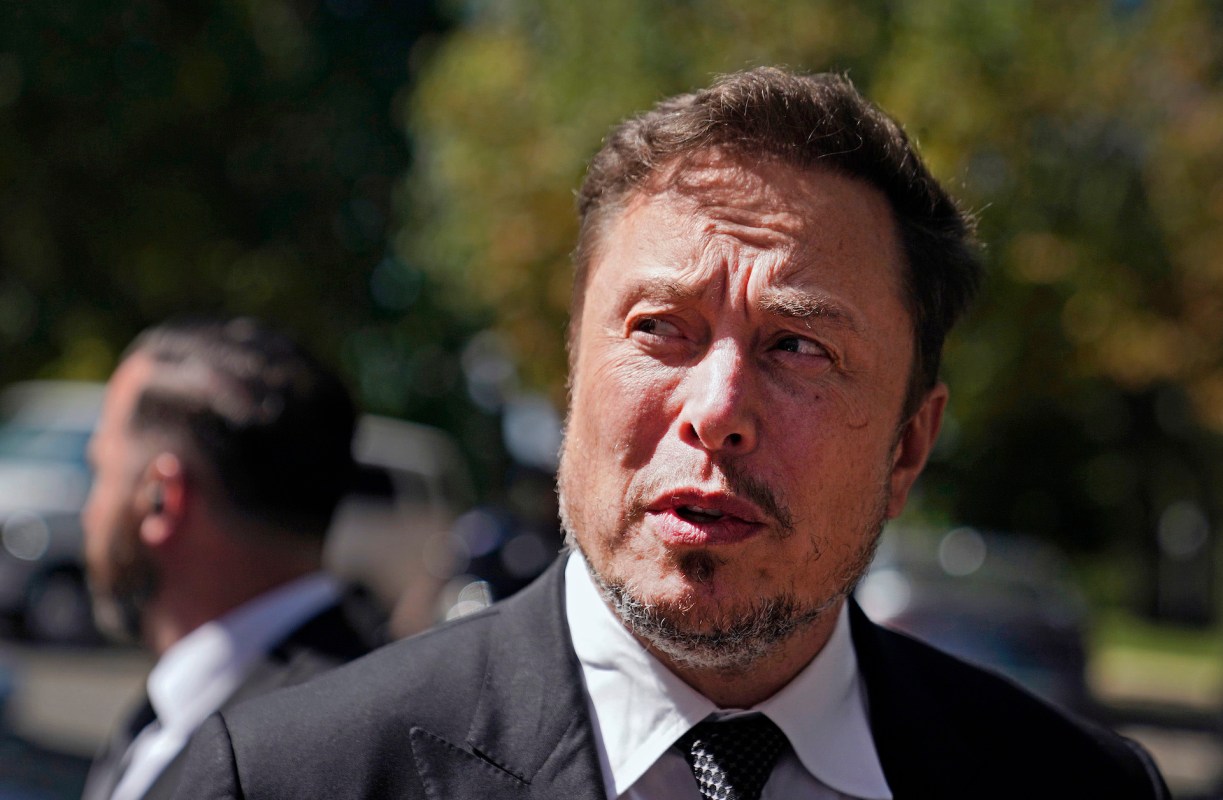
Elon Musk, the CEO of Tesla and one of the most closely watched figures in the global tech industry, has once again captured headlines with a striking financial move. In mid-September 2025, Musk purchased $1 billion worth of Tesla stock, his first such acquisition since 2020. This bold investment arrives at a pivotal juncture for the company and has reignited debate over Tesla’s future path as well as Musk’s steadfast confidence in the EV giant.
Analyst Shifts and Market Sentiment
The timing and scale of Musk’s purchase had immediate effects on investor sentiment. Prominent tech analyst Jed Dorsheimer of William Blair noted, “With Musk’s (Tesla stock) purchase, combined with the upward momentum for delivery expectations and robotaxi rollout, we are becoming more bullish. To us, this sends a strong signal of confidence in the most important part of Tesla’s future business: robotaxi.” Following Musk’s purchase, Tesla’s stock price rebounded, reversing some of the year’s previous losses and signaling a vote of confidence to the broader market.
Other analysts echoed Dorsheimer’s bullish stance, with Wedbush’s Daniel Ives describing Musk’s buy as “a loud proclamation that he sees Tesla as severely undervalued,” especially as the EV sector faces intensifying competition and scrutiny worldwide.
A Year of Volatility for Tesla
2025 has been anything but smooth for Tesla. Earlier in the year, Tesla shares experienced sharp declines amidst disappointing delivery numbers and public controversies linked to Musk’s political engagement. According to automotive data firm EV-Volumes, Tesla’s Q1 2025 global deliveries dropped 8% year-over-year, marking the first sustained slide since its meteoric rise began in the last decade. The drop was partly attributed to slowing demand growth in key markets such as China and Europe and the impact of price competition from BYD, Volkswagen, and other major automakers ramping up their own electric fleets.
Simultaneously, Musk’s brief stint in a government advisory role attracted protests and put Tesla’s brand under heightened scrutiny. However, after stepping away from political entanglements and focusing on core business initiatives, Tesla has undertaken several steps to regain momentum, with Musk’s stock buy reinforcing his commitment to the company’s long-term growth trajectory.
Robotaxi Rollout: The Next Frontier for Tesla
Chief among Tesla’s innovations this year is the highly anticipated rollout of its robotaxi service. After years of speculation and incremental self-driving updates, Tesla quietly initiated its first commercial robotaxi pilot in Austin, Texas, in summer 2025. Initial rides have showcased both promise and challenges—including mixed passenger reviews regarding reliability and safety—but the service quickly expanded to the San Francisco Bay Area, aiming for large-scale deployment by 2026.
Global data from Guidehouse Insights predicts that by 2030, the robotaxi market could exceed $50 billion annually. Tesla’s early entry and vertically integrated approach—developing hardware, AI software, and operational platforms—provide a unique competitive edge over rivals like Waymo and Cruise. Musk has long touted robo-taxis as key to unlocking a multi-trillion-dollar mobility market, shifting Tesla from a manufacturer to a full-service transportation provider.
Ambitious Compensation Tied to Lofty Goals
Musk’s stock purchase comes as Tesla’s board advanced an unprecedented new compensation plan for its CEO, potentially positioning him to become the world’s first trillionaire. The package is largely contingent on Tesla achieving a staggering market capitalization of $8.5 trillion within the next decade—an eightfold jump from its current valuation, which hovers around $1 trillion as of September 2025.
This compensation plan is performance-driven, aligning executive rewards with monumental milestones like robotaxi revenues, expansion of Tesla’s global factory footprint, sustained industry-leading margins, and advances in next-generation battery technology. While critics have called the targets overly optimistic, supporters believe the plan signals shareholder alignment and long-term ambition.
EV Market Trends and Tesla’s Leadership
Despite its recent speed bumps, Tesla remains the global leader in electric vehicle innovation. In 2024, worldwide EV sales surpassed 14 million units, accounting for nearly 20% of all new car sales, according to the International Energy Agency (IEA). Tesla continues to top key segments in North America and retain a technological edge.
Moreover, the entire industry is rapidly advancing. Automakers from legacy giants like Ford and General Motors to upstarts like Rivian and NIO have accelerated their schedules, launching improved long-range electric cars at mainstream price points. As more consumers transition to EVs, driven by increasing environmental awareness and supportive policies, Tesla is likely to benefit from these rising tides even as market rivalry intensifies.
Tesla’s leadership position is underscored by its Supercharger network, recent breakthroughs in battery recycling, and rapid scaling of manufacturing—most recently with a new Gigafactory in India under negotiation for 2026 commissioning.
What’s Next for Investors and the Company
For both investors and industry watchers, Musk’s monumental purchase is more than a vote of confidence—it serves as a strategic message. His willingness to significantly boost his personal stake suggests deep conviction that Tesla will continue to outpace technological and market expectations. In the wake of his buy, major institutional investors, including BlackRock and ARK Invest, increased their positions in Tesla, reflecting the renewed faith and competitive positioning of the company in a rapidly changing sector.
Looking forward, key factors to monitor will include the scale and success of Tesla’s robotaxi expansion, stabilization and renewed growth of global EV sales, and the company’s ability to hit aggressive financial milestones. Add to that pressures from regulatory policy, competition from China, and evolving consumer preferences, and it becomes clear that the next chapter for Tesla and its shareholders may be its most dynamic yet.


