
Impending Government Shutdown Threatens U.S. Aviation: Airlines and Industry Leaders Sound Alarm Over Safety and Economic Risks
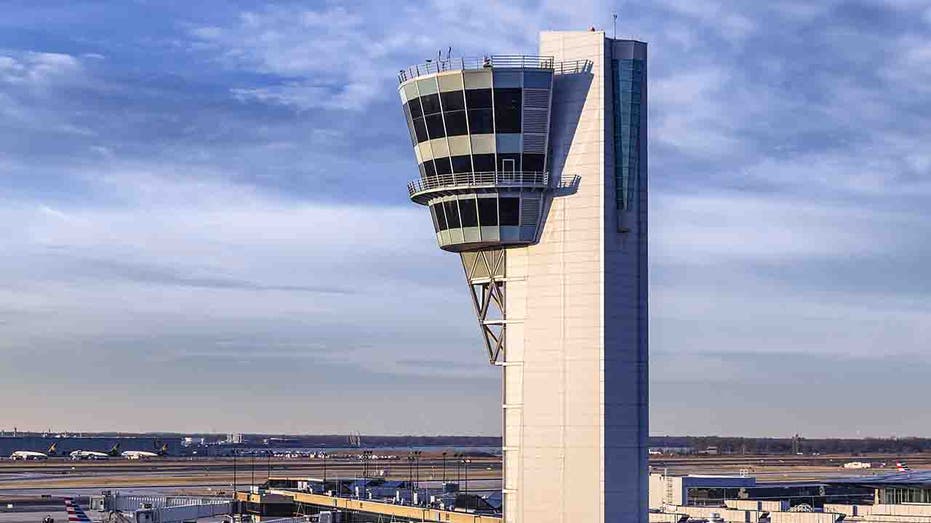
As Congress remains deadlocked over budget negotiations, a broad coalition of U.S. airlines and aviation organizations is ringing alarm bells: an imminent federal government shutdown could severely disrupt the national air travel system, compromise passenger safety, and set back decades-long modernization efforts at the Federal Aviation Administration (FAA).
The Modern Skies Coalition—a unified front representing major U.S. airlines such as United, Delta, American, and Southwest, as well as airports, pilots, air traffic controllers, and manufacturers—sent a strongly worded letter to Congress this week. It warned that even a brief government shutdown would cause immediate and possibly lasting damage to the National Airspace System (NAS).
“Government shutdowns harm the U.S. economy and degrade the redundancies and margins of safety that our National Airspace System is built upon,” the coalition stated, stressing that mere threats or short stoppages have previously caused delays, operational chaos, and a loss of institutional expertise.
Economic Stakes: A Multi-Billion Dollar Sector at Risk
The U.S. aviation industry is a cornerstone of the American economy. According to the coalition, the sector contributes more than 5% of the nation’s GDP, amounting to approximately $1.37 trillion in 2023. It also supports over 10 million jobs nationwide, from pilots and flight attendants to airport staff and aircraft manufacturers.
Previous shutdowns have inflicted direct economic pain. The 35-day federal shutdown in 2018–19 resulted in nearly $3 billion in lost economic activity—a sum that, the Congressional Budget Office reports, was never fully recovered. Each day of shutdown compounds delays, creates backlogs, and increases costs for travelers and the government alike.
Safety and Modernization on the Line
Aviation advocates warn that a lapse in federal funding impacts not just flights, but also the core safety and modernization initiatives of the FAA. During previous shutdowns, the FAA was forced to close its Oklahoma City training academy, placing a long-term strain on the country’s supply of qualified air traffic controllers.
The agency is currently about 3,800 controllers short of its target staffing levels. This shortfall has become one of the industry’s most acute pain points, contributing to increased flight delays, heavier workloads, and rising concerns about safety margins amid the nation’s busiest air travel periods since the pandemic.
“A government shutdown would freeze all FAA hiring and training,” the coalition noted. “This would further deepen our persistent staffing problems and leave the system vulnerable to future crises.” According to FAA data released in early 2024, the overall volume of commercial air traffic in the U.S. had returned to pre-pandemic levels, placing further strain on an already stretched controller workforce.
The coalition expressed support for U.S. Secretary of Transportation Sean Duffy’s recent push to accelerate controller hiring and modernize the NAS. In 2023, Congress committed $12.5 billion toward air traffic control (ATC) modernization; aviation leaders argue at least another $19 billion is needed to fully upgrade aging radar systems, digital communication tools, and safety technologies. Any interruption in funding would jeopardize these crucial improvements, slowing innovation and potentially setting back the sector years.
Potential Impact on Travelers and the Broader Economy
If a government shutdown occurs, the FAA would be required to suspend training and hiring, while most of its 45,000 employees—including air traffic controllers—would be expected to work without pay as “essential workers.” In previous shutdowns, this led to mass absenteeism, slower operations, and delays that spiraled nationwide. In 2019, for instance, LaGuardia Airport experienced major delays due to staffing shortages, forcing airlines to cancel hundreds of flights.
The repercussions wouldn’t stop at the airport. Entire communities rely on the aviation industry not only for travel but for economic activity, commerce, and the free movement of goods and workers. Any disruption threatens to snowball, potentially affecting industries from tourism to manufacturing and supply chain logistics.
For the traveling public, this could translate to longer lines, canceled flights, safety inspections being deferred, and a general sense of unpredictability reminiscent of post-pandemic travel woes. Aviation experts say ripple effects could continue for months even after a shutdown ends, as backlogs take time to resolve and hiring and training pipelines are restored.
Political Stalemate in Washington
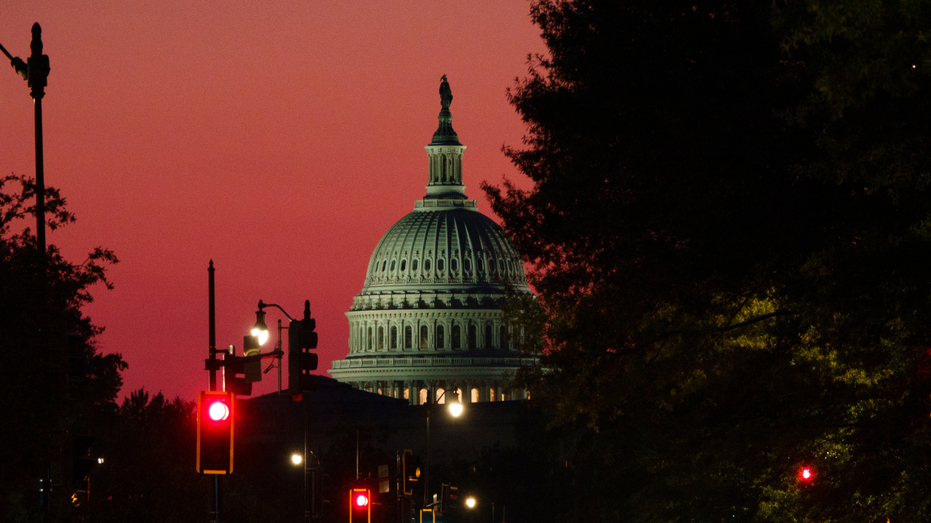
The warning from airlines arrives as Congressional leaders struggle to break a tense partisan impasse. House Republicans have proposed stopgap budget measures that do not align with Senate Democrats’ priorities—chiefly disputes over spending cuts and healthcare subsidies. High-profile meetings with President Donald Trump and party leadership have failed to yield an immediate resolution, and the threat of a partial government shutdown grows increasingly likely by the hour.

Without an agreement, government funding lapses at midnight—leaving the U.S. aviation industry, and the millions who depend on it, waiting anxiously for Washington to break its stalemate. As the coalition warns, “We must protect and modernize our airspace system, not throw its future into uncertainty and risk by allowing a shutdown to occur.”
Looking Forward
Industry leaders, union heads, and consumer advocates all agree: a government shutdown would be a self-inflicted crisis for U.S. aviation. While political wrangling continues, those at the heart of America’s transportation network urge legislators to recognize what’s at stake. As millions of travelers gear up for the busy spring and summer travel seasons, the call for immediate, decisive action is louder than ever.
Unless a bipartisan agreement is reached, the world’s largest and most complex airspace system could soon face unprecedented strain—endangering jobs, safety, and the economic vitality of the nation as a whole.


