
Congressional Funding Stalemate Elevates Safety Concerns for U.S. Air Travel
By Sam Ogozalek | October 2, 2025
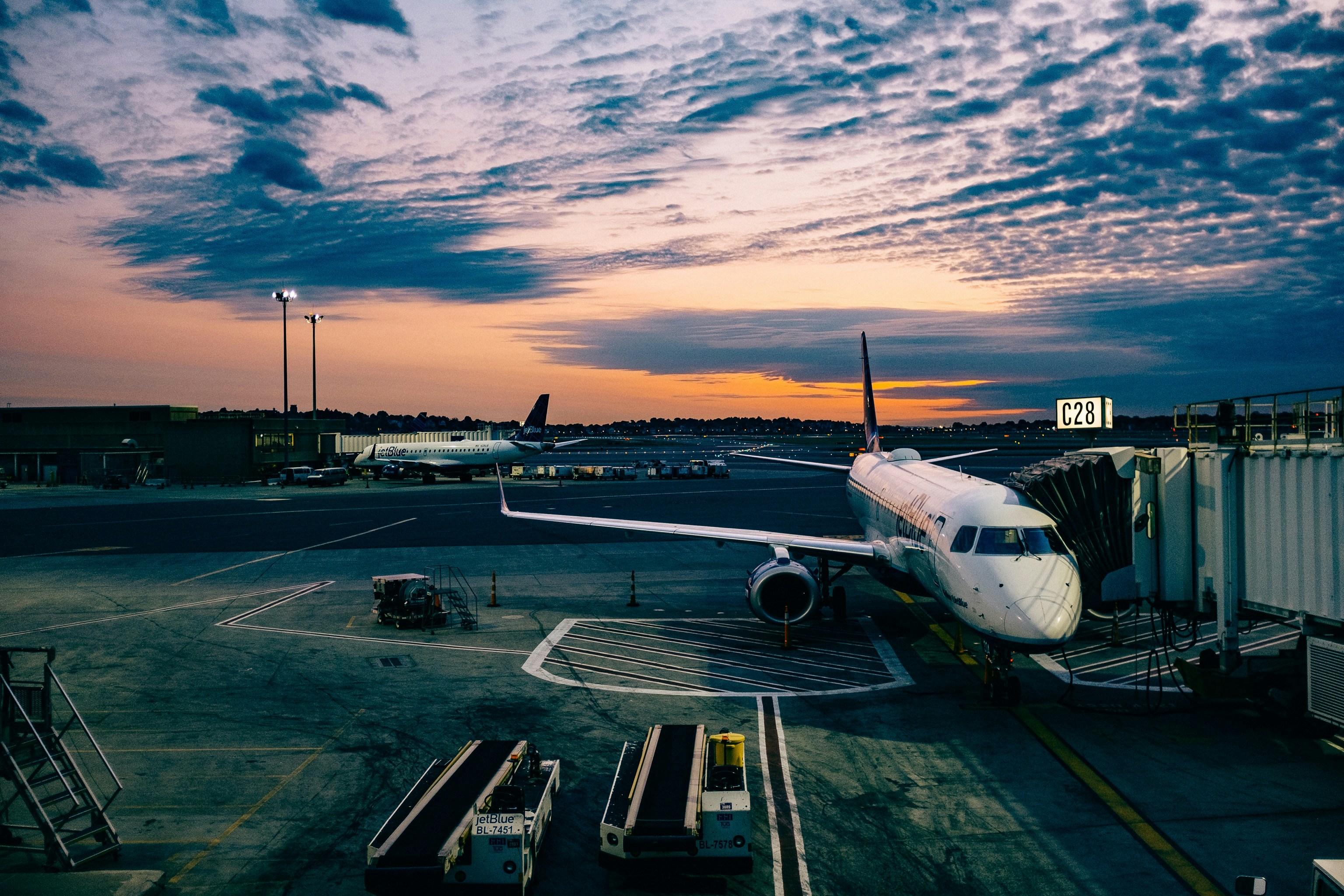
The United States aviation system has once again been thrown into uncertainty as a result of the latest government shutdown. With Congressional gridlock leading to the suspension of federal funding, more than 10,000 air traffic controllers—already stretched thin—have been instructed to continue working without pay. This development not only exacerbates longstanding concerns about controller fatigue and understaffing, but also introduces new anxieties about personal financial stability, with broader consequences for air travel safety and the travel industry.
As of October 2025, the U.S. is set to lose approximately $1 billion a week in airline, hospitality, and other travel-related revenues, according to estimates from the U.S. Travel Association. The current shutdown, which comes on the heels of unprecedented stressors for the aviation sector, highlights deep vulnerabilities in how Congress funds critical infrastructure and personnel required to keep the American skies safe.
Air Traffic Controllers: Essential Staff Under Mounting Pressure
Air traffic controllers are among the “essential” federal workers legally required to maintain operations during lapses in government funding. In practice, this means managing hundreds of thousands of flights per day, responsible for the lives of millions of passengers, all while facing the prospect of delayed or absent paychecks. Many controllers, already pushed to clock as many as 60 hours a week, are reportedly seeking secondary employment to bridge household expenses—a scenario that could distract from their high-stakes professional duties.
Nick Daniels, president of the National Air Traffic Controllers Association (NATCA), described the dire situation during a recent industry event. “During the last government shutdown, when it was for 35 days, your air traffic controllers were out driving Uber on the side so that way they can make sure they can pay for the insulin for their sick sister,” Daniels recalled. “They were out, going out and trying to find any kind of job in their off-hours to just bring in some type of revenue.”
The strain comes as the FAA continues to battle chronic workforce deficits. As of mid-2025, the FAA was operating with roughly 1,000 fewer certified controllers than it estimates are required for safe and efficient traffic management, based on a report by the U.S. Government Accountability Office. This leaves less margin for error and less scheduling flexibility, especially as travel has rebounded to near pre-pandemic levels, with the Transportation Security Administration reporting more than 2.5 million daily travelers through major airports on peak days.
Compounding Crises: Technology, Training, and Safety Concerns
The aviation system is still reeling from a January 2025 midair collision near Washington, D.C., which resulted in the deadliest U.S. aviation crash in over two decades with 67 fatalities. Investigations into that disaster revealed a web of underlying problems: outdated radar and communications equipment, an overtaxed workforce, and an increase in near-miss incidents cited by the National Transportation Safety Board (NTSB). In response, the Department of Transportation, led by Secretary Sean Duffy, pledged a renewed focus on controller recruitment, modernization of FAA technology infrastructure, and enhanced safety protocols.
Yet, according to an independent 2023 FAA-commissioned review, repeated congressional standoffs and the reliance on short-term funding bills have repeatedly undermined these efforts. “The disruption of critical activities—including delays of technology upgrades, training class cancellations, and hiring backlogs—poses a direct threat to the performance and reliability of the airspace system,” the report warned.
While FAA Academy classes and field training are currently set to continue despite the shutdown, the specter of uncertainty looms. The Department of Transportation has confirmed that while 12,000 employees will be furloughed—most from the FAA—air traffic controllers will remain on the job. This approach aims to limit immediate damage, but cannot eliminate the underlying risks associated with systemic under-resourcing and federal workforce instability.
Industry and Political Fallout
The consequences for the airline and travel businesses, as well as the wider economy, are acute and immediate. Delayed flights, crew shortages, and maintenance disruptions are likely to rise as operational friction from unpaid labor sets in. During the previous 35-day shutdown in 2018-2019, flights along the East Coast experienced cascading delays after several controllers at a Washington-area facility staged an unofficial “sickout” in protest of unpaid work. The domino effect of these absences was credited with significantly pressuring congressional leaders to reach a funding deal.
Lobbyists representing airlines, airports, and travel businesses warn that the stakes have only grown. The U.S. Travel Association’s open letter cautioned that “the compounded impact on industry stakeholders could set back the post-pandemic recovery, disrupt consumer confidence, and ultimately cost thousands of American jobs if left unresolved.” With the peak holiday travel season on the horizon, the industry is bracing for operational chaos—and potential long-term reputational damage—if the funding impasse is not quickly resolved.
No Safety-Net Legislation
After the last government shutdown, there were bipartisan proposals to exempt the FAA from the vagaries of congressional budget battles, ensuring steady funding for critical aviation services. However, as of October 2025, no such bill has become law. Aviation experts and labor leaders are now renewing calls for legislation that would provide financial continuity for FAA operations to prevent repeated shocks to a system that is, by all accounts, operating with razor-thin safety margins.
Until Congress can deliver a sustainable solution, vital modernization projects—including upgrades to air traffic control systems and nationwide deployment of new surveillance technologies—will remain at risk. The overall coordination between airlines, regulatory agencies, and labor unions will continue to fray under the unpredictability of federal appropriations.
The Path Forward
Transportation Secretary Sean Duffy and Deputy Secretary Steven Bradbury have publicly praised the professionalism of air traffic controllers, reaffirming that passenger safety remains their highest priority. “I wouldn’t suggest there’s reason to fear for the traveling public,” Bradbury stated, although aviation labor groups and independent safety experts contend that every disruption to staffing and funding chips away at systemic resilience.
The present standoff is more than a bureaucratic dispute; it is a stress test of the nation’s commitment to safe, reliable, and efficient air travel. As Washington continues to debate budget priorities, the millions of Americans who rely on the aviation system for business and leisure are left hoping that lawmakers act before a preventable crisis materializes.
Bottom line: The ongoing congressional impasse has exposed—and is likely to exacerbate—the fragile state of American air travel safety and reliability. Immediate legislative action is necessary to shield one of the country’s most critical infrastructures from further avoidable harm.


