
U.S. Government Shutdown Snarls Air Travel Nationwide: Officials Warn of Escalating Disruptions
By Rachel Treisman (NPR) and Joel Rose (NPR)
October 7, 2025
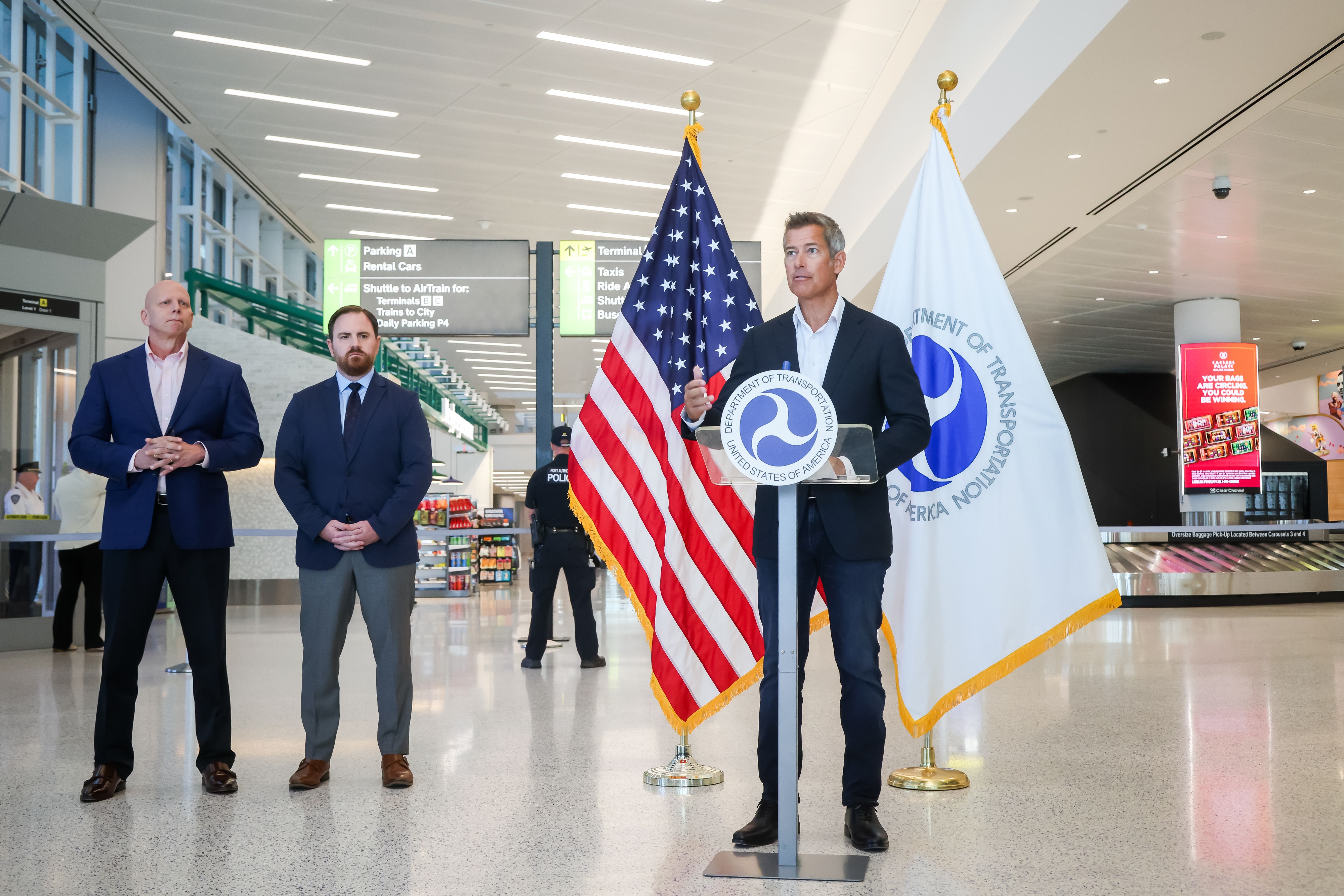
Travelers across the United States are facing widespread delays, cancellations, and uncertainty as the government shutdown that began on October 1 continues to roil the nation’s air travel infrastructure. With bipartisan negotiations stalled in Congress, the lack of federal funding has forced the Federal Aviation Administration (FAA) to operate with constrained staffing levels, directly impacting air traffic control (ATC) capabilities and airport operations nationwide.
Transportation Secretary Sean Duffy, speaking at a packed press conference at Newark Liberty International Airport, attributed the cascading delays to a “slight tick-up in sick calls” among air traffic controllers—an issue he warned could further escalate should the shutdown persevere. “If we see there are issues in the tower affecting controllers’ ability to effectively control the airspace, we’ll reduce the rate, and you’ll see more delays or you might see a cancellation,” Duffy emphasized, expressing his willingness to halt flight operations rather than compromise air safety.
The Impact: Delays Ripple Through Major and Regional Hubs
According to the FAA, at least a dozen air traffic control facilities across the country experienced staffing shortages earlier this week. High-traffic airports such as Phoenix, Denver, Chicago, Indianapolis, and Washington, D.C. reported operational slowdowns, ground delays, and extended hold times for departing flights. Newark Liberty International itself recorded average departure delays of 53 minutes, while Denver faced average delays of 39 minutes—though some flights were grounded for nearly two hours.
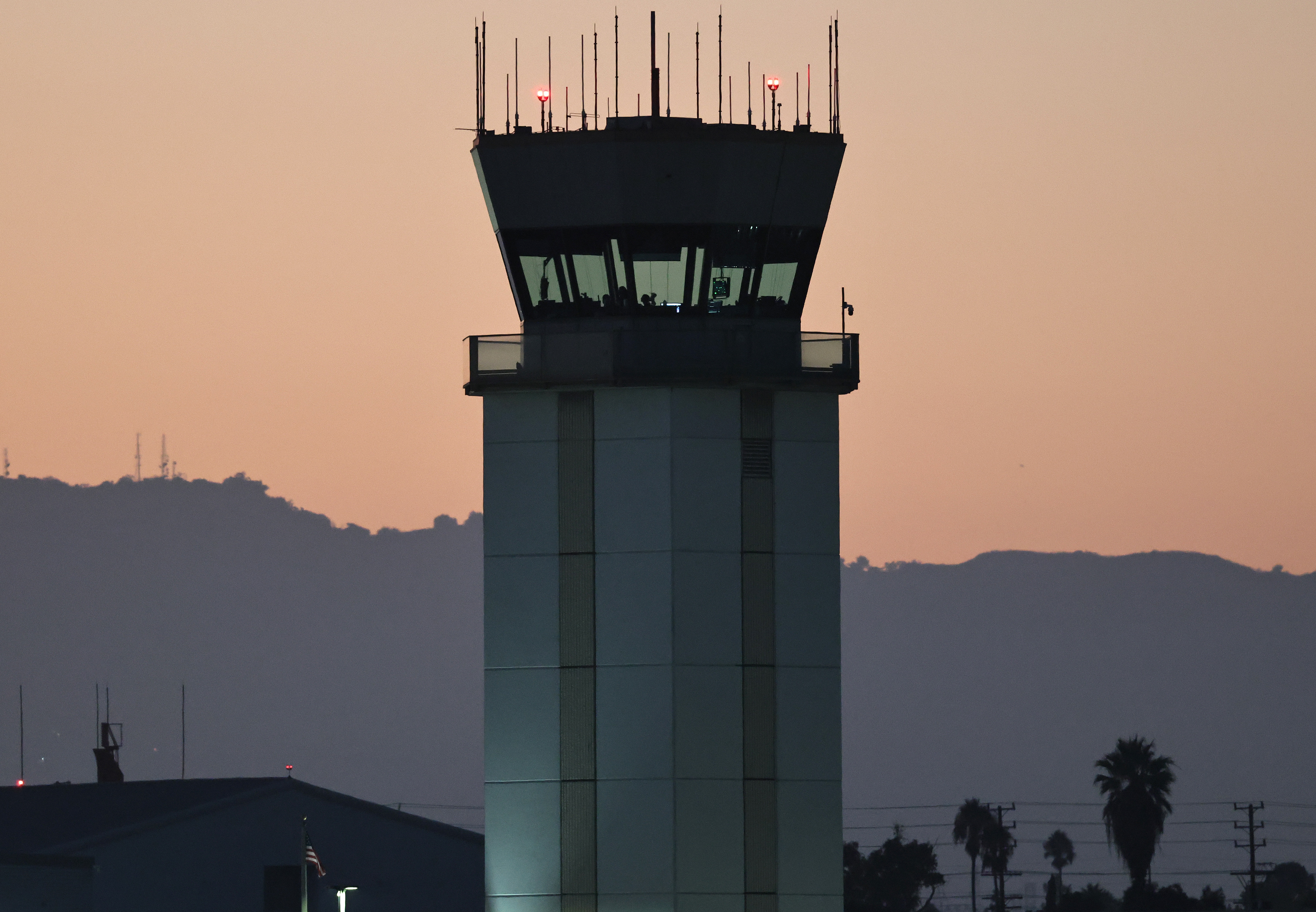
Perhaps no facility better demonstrated the system’s vulnerability than Hollywood Burbank Airport near Los Angeles, where—according to California Governor Gavin Newsom—the control tower was left without a single controller for a five-hour stretch. Flights there were delayed on average by two-and-a-half hours, and some operations were temporarily managed remotely by the Southern California TRACON from San Diego. These disruptions mirror those during the historic 2018-2019 government shutdown, when a similar uptick in ATC sick calls virtually paralyzed airports along the East Coast.
Nationally, flight-tracking systems such as FAA’s real-time flight status dashboard now provide frequent traveler updates, but the underlying message is clear: as staffing shortages persist, the reliability and punctuality of U.S. air travel remains tenuous at best.
Staffing Shortages: The Long Road to Recovery
The U.S. air traffic control system has been plagued by chronic staffing issues for years. The FAA’s hiring initiatives have struggled to keep pace with retirements, lengthy training requirements, and high attrition rates. According to the National Air Traffic Controllers Association (NATCA), the current workforce—down to roughly 11,000 fully certified controllers—is being stretched to the limit. Many are working 10-hour days, six days a week, without compensation during the shutdown.
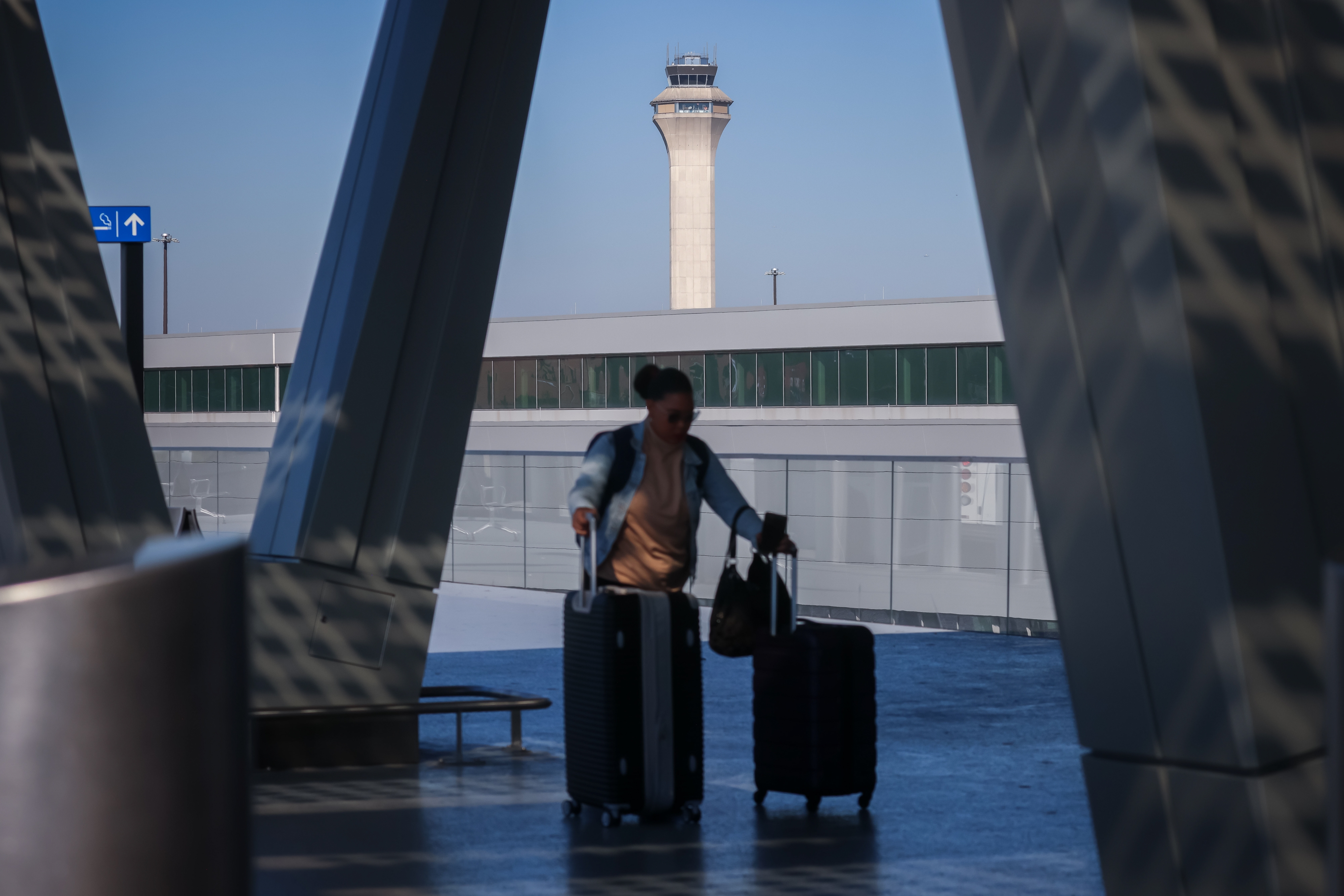
NATCA President Nick Daniels called for an end to the political impasse, warning that prolonged uncertainty not only threatens operational safety but also drives talented controllers to seek outside work or leave the industry altogether. The union has clarified that while some sick leave is expected, “job actions” such as orchestrated walk-outs are illegal and could result in dismissal.
Secretary Duffy echoed the urgency: “The shutdown not only impedes our ability to address today’s shortages, but it also sets back long-term efforts to modernize outdated technology—some of which still relies on 1990s-era equipment—and to accelerate controller training.” Industry experts estimate that the U.S. aviation sector will require an additional 4,800 controllers over the next five years, a target now at risk as hiring and training programs remain in limbo.
Ripple Effects: Essential Services and Rural Airports at Risk
While major airport hubs dominate headlines, the shutdown threatens to undermine critical support for smaller and rural airports as well. The Essential Air Service (EAS), a federal program subsidizing commercial flights to nearly 170 remote communities, faces imminent funding shortfalls. Should the shutdown persist beyond Sunday, airlines under EAS contracts—such as Alaska Airlines, which serves six remote Alaskan communities—may halt service, disproportionately hurting regions where air travel is not a luxury, but a lifeline.
Natasha Marquez of the Regional Airline Association noted that pre-pandemic, the EAS program supported more than 17,000 jobs and hundreds of daily flights—a vital economic and mobility engine for rural America. The Biden administration proposed cutting EAS funding by over 50% earlier this year, stoking bipartisan resistance. With reimbursement for flights typically processed once per month, many small airports now face the bizarre uncertainty of waiting for either fiscal reprieve or catastrophic interruption in service.
Political Blame Game: No End in Sight
The shutdown itself resulted from a Congressional impasse predominantly over health care subsidies and broader fiscal priorities. With both parties blaming one another, travelers and stakeholders in the aviation industry have become collateral damage in the stalemate. The White House and Congressional leaders remain deadlocked, and public confidence in government responsiveness continues to erode—a sentiment echoed by stranded passengers and fatigued workers nationwide.
Recent polls indicate that over 72% of Americans disapprove of the shutdown’s impact on transportation services, a reflection of frustration seen in crowded terminals and on social media. Industry analysts warn that if Congress fails to act soon, the costs—to both the economy and public safety—could swiftly eclipse those of the landmark shutdown of 2018-2019, which shaved over $3 billion from GDP and left similar scars on the aviation workforce.
Looking Ahead: A Call to Action for a Crucial Industry
With the holiday travel season on the horizon, the stakes for restoring full government operations could not be higher. Airlines are already bracing for a spike in customer complaints, lost revenue, and operational chaos should delays worsen. Experts urge Congressional leaders to find common ground, restore FAA funding, and reinvigorate ATC hiring pipelines to safeguard the U.S. air travel infrastructure—a system that is at once a symbol of American ingenuity and, now, its vulnerability.
In the meantime, the FAA advises travelers to check flight status frequently, allow extra time at the airport, and consider alternative travel plans where possible. As Secretary Duffy and union leaders continue to push for a resolution, one thing remains unmistakable: until the shutdown is resolved, reliability in American air travel hangs in the balance.


