
Nvidia at the Crossroads: Navigating the US-China Trade War and the Future of AI Chip Dominance
By Auzinea Bacon | Published October 10, 2025
The Heart of the AI Revolution—and Rising Geopolitical Tensions
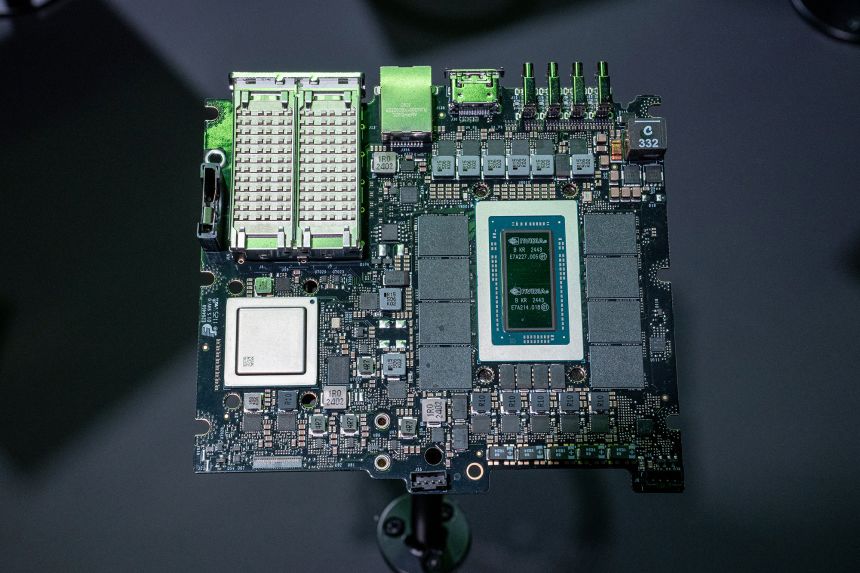
Nvidia, based in Santa Clara, California, has soared to the top of the global technology sector, standing as the world’s leading producer of AI chips. With a market capitalization hovering near $5 trillion, the company’s hardware now powers an extraordinary share of the world’s artificial intelligence infrastructure. Nvidia’s powerful graphics processing units (GPUs) serve as the backbone for expansive data centers run by tech behemoths like OpenAI, Google, Microsoft, Meta, and Amazon, providing the computational muscle required for advanced machine learning and generative AI systems, including ChatGPT.
This leadership has, however, placed Nvidia directly in the crosshairs of an increasingly bitter US-China tech rivalry. Both superpowers recognize that dominance in AI and semiconductor technologies will be critical to future economic and military prowess. As the US seeks to limit China’s access to Nvidia’s cutting-edge chips, concerns around national security, economic leverage, and regulatory compliance have only intensified.
Nvidia’s China Business: A Critical Battlefield
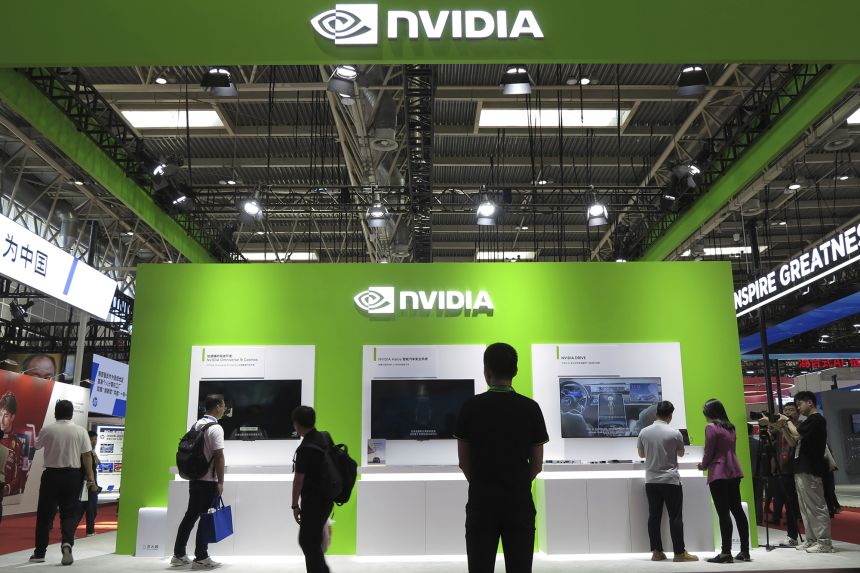
Until recently, China represented approximately 25% of Nvidia’s GPU sales—a massive revenue stream now under severe threat. Since the Trump administration’s sweeping tariffs and the imposition of export controls in 2024, particularly targeting AI chips like Nvidia’s H20, the flow of US technology into China has sharply declined. The rare earths dispute has further ratcheted up tensions, putting Nvidia in a precarious position: to comply with US regulations while maintaining key relationships and market share in China.
Amid these restrictions, China has retaliated by strengthening its import restrictions on US semiconductors and ramping up investment in domestic chip firms, including heavy government backing of institutions like SMIC and encouraging state entities to buy local chips. At the same time, the US government, under President Trump and with the Department of Commerce’s explicit guidance, has struck a delicate balance—occasionally loosening controls to prevent Chinese developers from rapidly scaling domestic alternatives, but imposing harsh economic penalties and tariffs when it sees behavior contrary to its strategic interests.
In August 2025, a deal briefly eased restrictions, allowing Nvidia and AMD to sell to Chinese customers in exchange for a 15% revenue share with the US government. Yet, skepticism and tit-for-tat actions persist; President Trump recently vowed to raise tariffs on Chinese goods further in retaliation for China’s limitations on rare earth exports, vital for modern electronics and defense applications.
Jensen Huang: From Startup Founder to Tech Visionary
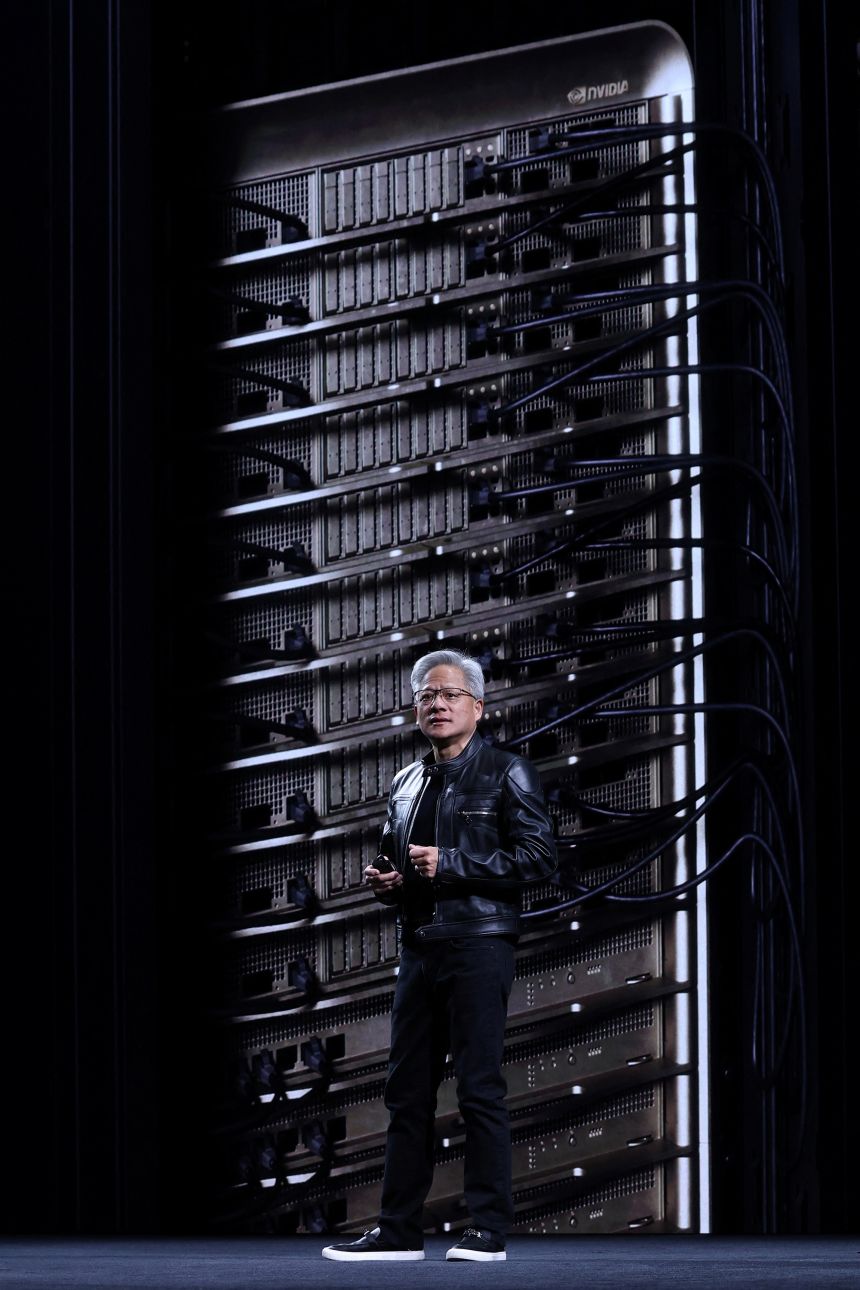
Jensen Huang, Nvidia’s Taiwanese-born CEO, co-founded the company in 1993. Over three decades, he turned Nvidia from a modest graphics startup into an AI juggernaut. As of 2025, Huang’s net worth has swelled to $167 billion, placing him among the world’s wealthiest individuals and earning him rockstar status, particularly in the Asian tech scene.
Huang is renowned for his technological vision and his willingness to challenge both corporate and geopolitical orthodoxy. He has voiced concerns that restricting access to American AI technologies could accelerate China’s domestic innovation efforts, making the US position ultimately self-defeating. His stance underlines the complexities that businesses face when navigating not only technological competition, but the unpredictable tides of global governance and security postures.
The AI Chips Race: Technology and Competition in Focus
The “AI chips race” is a defining battle of the decade. Nvidia claims more than 80% of the accelerated-computing chip market, underpinning the rapid advancement of generative AI models and enterprise analytics. In 2025, Nvidia committed up to $100 billion to further partnerships—such as its sizable investment in OpenAI, ensuring privileged access to its chips through 2026 and beyond.
Yet, competition is catching up. AMD’s partnership with OpenAI to supply massive numbers of data center chips signifies a heightened rivalry. Intel, meanwhile, is racing to regain relevance with new AI silicon. In China, despite regulatory hurdles, giants like Huawei are making significant leaps in producing AI-ready chips. Analysts expect that, as US restrictions tighten, the urgency in China’s semiconductor self-sufficiency campaign will only intensify.
The Compliance Challenge: Are Export Rules Enough?
Despite strict US regulations, recent investigations—including one by the US Department of Commerce into Singapore-based Megaspeed—raise questions about potential loopholes in international technology flows. Nvidia maintains that it has thoroughly investigated its customers and found no violations, claiming compliance with US export controls. However, the possibility of chips leaking through third-party or black-market channels remains a concern for Western security officials.
Moreover, reports that Chinese AI projects such as DeepSeek have utilized Nvidia’s H20 chips have raised alarms that China may be further along in AI development than previously estimated. Experts like Professor Arun Sundararajan of NYU argue that overly restrictive US policy could backfire, incentivizing China and other nations to accelerate innovation independently—potentially leaving American companies outpaced or isolated.
What’s Next for Nvidia and the Global Tech Ecosystem?
The outcome of the US-China tech war remains murky. While tariffs, controls, and revenue-sharing deals shift with the political winds, Nvidia and its peers must continuously adapt to remain compliant, relevant, and competitive. Longer-term, both countries are ramping up massive investments in talent, research, and infrastructure to reduce reliance on foreign tech and drive national AI leadership.
For Nvidia, the stakes are enormous: continued global dominance rests not just on technological excellence, but on navigating political compromise and regulatory scrutiny. The company’s ability to maintain its technological edge, satisfy US authorities, and serve a global customer base will define the trajectory of AI advancement—and shape the geopolitical balance of the coming decade.
As 2025 closes, observers across the technology and investment landscapes are watching Nvidia as a bellwether: its actions and fortunes are emblematic of the broader contest for power, security, and prosperity in the AI-accelerated world.


