
‘Crypto Week’ Back on Track After Lengthy House Do-Over Vote
By Nikhilesh De | Published July 16, 2025
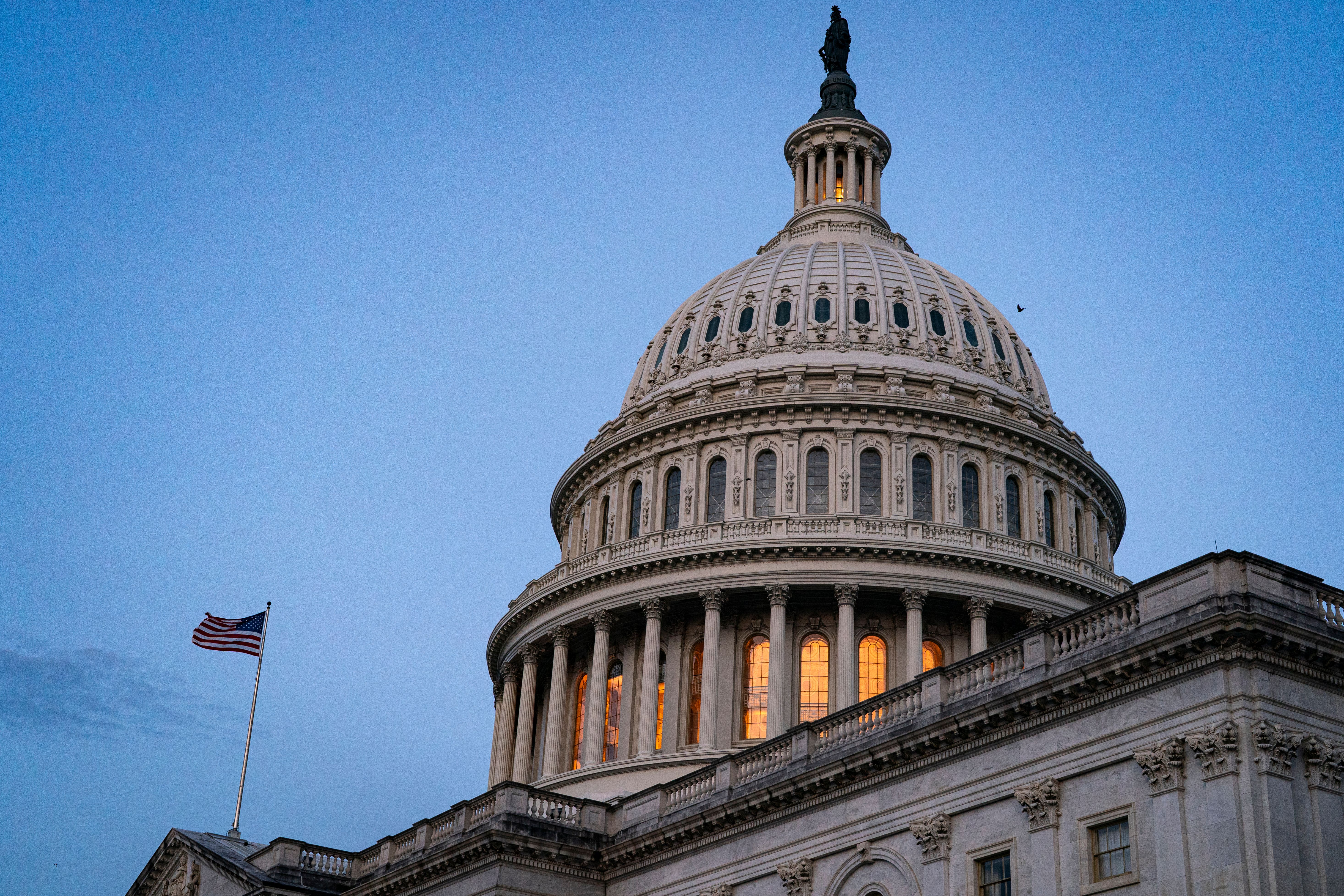
After nearly 10 hours of tense procedural wrangling, the U.S. House of Representatives has advanced key cryptocurrency legislation to the cusp of final passage. The roadblock was lifted late Wednesday following a historic nine-hour vote, underscoring both the contentious nature and rising stakes of digital asset regulation in the United States.
This pivotal moment comes as lawmakers move to bring stability and regulatory clarity to a booming crypto sector that has long operated in an environment of uncertainty. The breakthrough motion, which succeeded by an exceedingly narrow margin of 217-212, paves the way for final votes on two major bills: the GENIUS Act, focused on establishing industry standards and consumer protections, and the Clarity Act, designed to define the regulatory perimeter for crypto market structure.
What Unfolded: Congressional Standoff and Deal-Making
The vote on Wednesday was anything but routine. Just a day earlier, the House had failed to secure the procedure to advance debate on these measures, with the House Freedom Caucus—typically viewed as a staunch Republican bloc—unexpectedly withholding support. Their opposition forced a do-over that extended into the night, reflecting deep divisions even within party lines.
The impasse was finally overcome when GOP leaders agreed to include a strong anti–Central Bank Digital Currency (CBDC) provision in the must-pass National Defense Authorization Act (NDAA). The Freedom Caucus, wary of potential government overreach into private financial dealings, leveraged their pivotal votes to secure these protections.
“House Freedom Caucus Members reached an agreement tonight to advance the President’s cryptocurrency agenda and, as part of this agreement, the NDAA will include strong anti–Central Bank Digital Currency protections.”
— Rep. Andy Harris (R-MD) via X
The agreement not only renewed Republican unity but also allowed crypto reform to move forward. The final votes on the GENIUS Act were set for Thursday, with the expectation that, if passed, it would head directly to President Trump’s desk for signature. The Clarity Act, a broader crypto market structure bill, is anticipated to reach the Senate for further debate as early as next week.
Legislative Details: GENIUS and Clarity Acts
The GENIUS Act (Guidelines for Enabling New Innovations Under Safe-harbors), seeks to provide a streamlined regulatory framework for crypto innovation while establishing clear consumer protections. The bill proposes transparent operational standards for projects and exchanges, emphasizes anti-fraud measures, and clarifies tax treatment for digital assets.
The Clarity Act addresses market structure, aiming to delineate the regulatory authority of the SEC and CFTC over varying classes of digital assets. Industry groups, including the Blockchain Association and Crypto Council for Innovation, have broadly supported this move, citing the urgent need for defined oversight given recent enforcement actions and high-profile market disruptions like the FTX collapse.
Both bills have garnered bipartisan attention, though Wednesday’s events revealed deep skepticism, particularly among Democratic members. In a “Dear Colleague” letter to House Democrats, leadership questioned the Republicans’ capacity to effectively implement any regulatory regime given the procedural chaos: “America does not need the Crypto Chaos being delivered by House Republicans.”
Anti-CBDC Provisions: Why They Matter
At the heart of the compromise is language explicitly banning or severely constraining the creation of a U.S. central bank digital currency (CBDC). The Freedom Caucus and other conservative lawmakers have sounded alarms about the risks of government-controlled digital money. Concerns include potential threats to privacy, financial surveillance, and what they characterize as the potential for political abuse of monetary levers.
Globally, over 100 countries are exploring or piloting their own CBDCs—including China, which has rapidly expanded its digital yuan pilot. In contrast, U.S. policymakers remain sharply divided: the Federal Reserve has not committed to issuing a digital dollar, with Chair Jerome Powell emphasizing the need for explicit Congressional authorization and bipartisan public support. The inclusion of strict anti-CBDC language signals that, for now, the U.S. digital dollar is likely to remain stalled pending clearer consensus in Washington.
Industry Impact: Stablecoins, Market Structure, and Global Competitiveness
The drive toward legislative clarity arrives as the digital asset industry experiences significant developments:
- The global stablecoin market surpassed a $150 billion market cap in late 2024, with U.S. dollar–pegged coins like USDT and USDC representing over 90% of volume.
- European regulators recently finalized MiCA (Markets in Crypto-Assets), establishing a region-wide regime for stablecoins and crypto asset trading.
- Leading U.S. trading platforms—including Coinbase and Kraken—have actively lobbied for clearer U.S. rules to ensure the country does not fall behind in innovation or cede market share to offshore competitors.
If signed into law, the current stablecoin bill and the broader market structure reforms could markedly lower compliance uncertainty, attract further institutional investment, and foster new digital finance products. On the flip side, strong anti-CBDC provisions could limit future policy flexibility, even as other major economies advance their public digital currency pilots. Market analysts anticipate that the legislative outcomes this summer could influence the global competitive landscape for years to come.
What’s Next: Final Votes and Senate Deliberations
All eyes now turn to the House’s final votes on Thursday. Should the GENIUS Act pass, immediate implementation could begin following the President’s signature. The Clarity Act’s fate in the Senate remains less certain; some industry advocates are calling for further amendments to ensure both innovation and robust consumer protection.
Bipartisan consensus remains fragile. While market stakeholders have largely welcomed the forward momentum, critics are warning that hasty or overly restrictive measures could “chill” innovation or complicate global coordination. With U.S. crypto ETF inflows hitting new highs and other jurisdictions forging ahead, the coming weeks promise to be decisive for America’s crypto future.


