
Inside Asia Pacific’s Lifestyle Hotel Surge, And Who’s Leading It
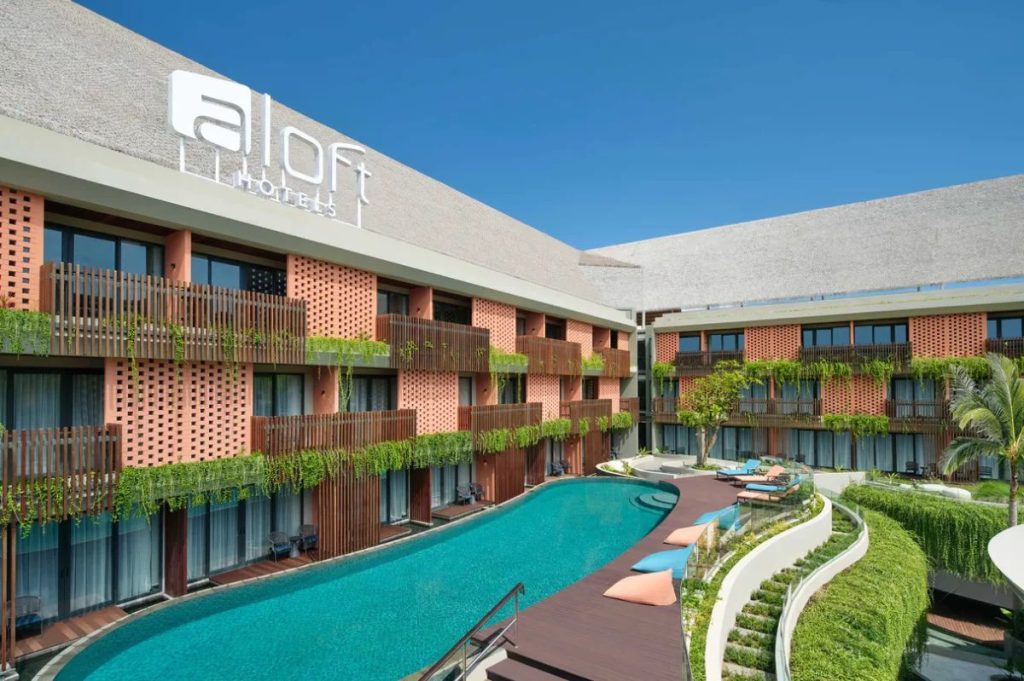
Once considered a niche within the hospitality sector, lifestyle hotels in the Asia Pacific region are rapidly transforming the travel landscape. These properties, blending contemporary design with experiential offerings, are quickly gaining mainstream appeal—especially among millennials, Gen Z travelers, and the growing segment of affluent middle-class consumers seeking more than just a place to stay.
The Global Shift Toward Lifestyle Hospitality
The rise of lifestyle hotels corresponds with global trends in travel, where personalization, local immersion, and flexible spaces are in high demand. According to a 2024 McKinsey report, 62% of travelers now prioritize hotels offering unique experiences and neighborhood integration over traditional, standardized properties. Asia Pacific, home to the world’s fastest-growing travel & tourism market (statistically poised to reach $3.6 trillion by 2030 per the World Travel & Tourism Council), has become a major arena for this hospitality revolution.
Key Drivers Behind the Lifestyle Hotel Boom
- Post-Pandemic Recovery: As borders have reopened, the pent-up demand for travel—especially domestic and intra-Asia journeys—has spotlighted unique, design-forward brands.
- Demographics: Rising incomes and younger travelers’ preference for social, tech-savvy, and customizable environments accelerate demand.
- Changing Work Dynamics: The “work from anywhere” trend drives interest in hybrid spaces blending leisure, business, and lifestyle amenities.
- Digital Influence: Social media has fueled the popularity of “Instagrammable” hotels with striking aesthetics and experiential offerings.
Global Brands Lead the Charge
Major international hotel conglomerates are expanding their lifestyle portfolios through both acquisitions and organic growth:
- Marriott International: With brands like Moxy, W Hotels, and The Edition expanding aggressively in China, Indonesia, and Japan, Marriott aims to open over 100 new lifestyle properties in Asia Pacific by 2027. In 2024, the region saw the launch of W Sydney and Moxy Shanghai, both high-profile entries emphasizing local culture and art-inspired design.
- Accor: Already boasting popular lifestyle brands such as SO/, 25hours, and Jo&Joe, Accor is fortifying its presence with new flagship openings—most notably, the Mondrian Seoul Itaewon and Tribe Bangkok. Accor’s recent strategic partnership with Ennismore has further accelerated brand innovation and presence in Asian urban hubs.
- IHG Hotels & Resorts: IHG is rapidly rolling out its Voco and Hotel Indigo brands, targeting millennials and digital nomads. In 2025, IHG announced the debut of Indigo Singapore Katong and Voco Osaka, adding to a robust pipeline across Southeast Asia and Greater China.
Asian Brands Bring Regional Nuance
While global names dominate headlines, regional players are offering distinctive alternatives tailored to local tastes:
- Shangri-La’s Kerry Hotels: Focusing on integrated social spaces, these hotels have become a favorite among young professionals in China and Malaysia.
- ONYX Hospitality’s OZO and Amari: These brands balance affordability, local culture, and stylish design, extending the lifestyle ethos to broader demographics in Thailand and the region.
- Capella Hotels and Resorts: Known for ultra-tailored guest experiences and avant-garde luxury in Singapore, Bangkok, and beyond.
Urban Hotspots: Where the Action Is
Cities such as Bangkok, Tokyo, Singapore, Ho Chi Minh City, and Melbourne are magnets for new lifestyle hotel launches. According to JLL, Asia Pacific cities account for 42% of all global lifestyle hotel pipeline activity outside the Americas.
Hospitality investment in the sector remains robust—with 2024 seeing $5.8 billion allocated to lifestyle and boutique hotel development in Asia alone.
How Traditional Brands Are Responding
The ascent of lifestyle hotels has prompted established hotel brands to rethink their core offerings. Industry stalwarts like Hilton and Hyatt have responded by introducing new sub-brands that marry the reliability of their parent brands with the flexibility and creativity expected in a lifestyle property.
- Hilton: The launch of Motto by Hilton, targeting social travelers, and the expansion of Canopy by Hilton across Asia Pacific reflect their pivot to meet evolving guest demands.
- Hyatt: With the Andaz and Hyatt Centric brands, Hyatt offers immersive experiences rooted in local neighborhoods and urban trends.
Some older brands have even reimagined key properties through dramatic renovations, adding coworking lounges, curated art, and food halls to capture the lifestyle audience.
The Challenges Ahead
Despite explosive growth, the sector faces hurdles:
- Brand Dilution: With so many players entering, maintaining authentic experiences becomes crucial.
- Operational Complexity: Lifestyle hotels require flexible staffing, dynamic programming, and tight margins compared to traditional models.
- Market Maturity: While demand is surging, some markets face the risk of oversupply or “cookie-cutter” lifestyle concepts losing their appeal.
The Outlook for Lifestyle Hospitality in Asia Pacific
The lifestyle segment is set to remain a major growth driver for hotels, adapting swiftly to changing travel patterns. The region’s robust pipeline, innovative partnerships, and burgeoning middle class suggest continued expansion well into 2030. For brands—established or up-and-coming—the winners will be those able to create consistently unique, flexible guest experiences that cater to the new era of traveler.
As competition intensifies, the line between “lifestyle” and mainstream hotels will continue to blur, but the appetite for creative, culturally infused, and guest-oriented stays is only going up. Asia Pacific’s lifestyle hotel surge is not just a fad—it’s redefining the face of travel in the region.


