
Nvidia CEO Jensen Huang Predicts AI Will Create More Millionaires Than the Internet: The Next Five Years Will Be Transformative
By Sherin Shibu | Edited by Melissa Malamut | Published July 28, 2025
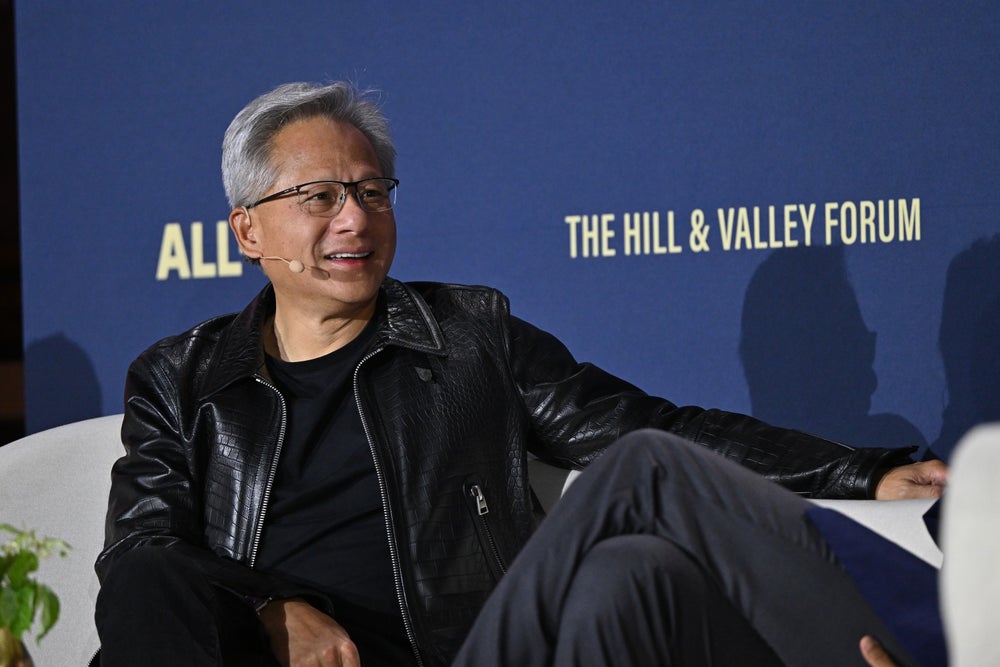
Artificial intelligence is poised to spark unprecedented wealth creation, surpassing even the transformative impact of the Internet, according to Nvidia co-founder and CEO Jensen Huang. In a recent interview on The All-In Podcast, Huang boldly predicted that AI will “create more millionaires in the next five years than the Internet did in two decades.” Backing his claim are AI’s rapidly expanding capabilities and accessibility, which Huang says are giving rise to a new generation of entrepreneurs and innovators worldwide.
The AI Wealth Creation Opportunity
Since the emergence of the commercial Internet in the 1990s, billions in new wealth have been generated, giving rise to global tech giants, digital entrepreneurs, and millions of new jobs. But according to Huang, AI’s potential is even greater because it lowers technical barriers and empowers a broader swath of the population to participate in digital creation and commerce. “AI is the ultimate equalizer,” Huang stated. “You no longer need to be a coder to build apps, websites, or AI-driven business services. Natural language prompts allow anyone to transform ideas into working software, products, and businesses.”
The rise of user-friendly platforms powered by generative AI tools such as ChatGPT (which now boasts over 500 million weekly users) and new “no-code” AI solutions have enabled millions to cross the threshold from consumer to creator. Enterprises, startups, and solo entrepreneurs are automating business processes, designing new products, and inventing services at a breathtaking clip. According to McKinsey, generative AI could add up to $4.4 trillion in annual global economic value.
Skills Gap? AI Is Erasing It
One key reason Huang foresees a surge of new millionaires is AI’s ability to remove skill-based barriers to entry. Tasks once requiring years of technical education—writing code, building machine learning models, developing web applications—can now be accomplished by anyone who can communicate in plain English and leverage AI tools. “Every creative is now a technical person, and every technical person an artist,” Huang explained. “It’s a renaissance where technical and creative boundaries dissolve.”
Skill democratization is fueling entrepreneurship not just in Silicon Valley, but in cities and rural communities worldwide. For example, educators are building AI-powered teaching platforms, local businesses are leveraging chatbots, and content creators are monetizing AI-generated media. As a result, pathways to financial success are multiplying in virtually every sector—from finance and healthcare to entertainment and manufacturing.
AI’s Impact on the Workforce: Adapt or Be Left Behind
While Huang is optimistic, he also issued a stark warning: those who fail to adopt AI risk obsolescence. “If you’re not using AI, you’re going to lose your job to somebody who does,” he warned. This echoes his recent statements to CNN that the workforce of the future will undergo massive transformation. Some roles will vanish, but many new roles—especially those involving AI oversight, prompt engineering, and creative adaptation—will emerge.
For businesses, integrating AI is fast becoming a necessity, not a luxury. The World Economic Forum estimates that by 2030, AI and automation will have displaced 85 million jobs but also created 97 million new ones. Employers and employees alike must prioritize upskilling and lifelong learning to thrive in this changing environment.
Nvidia: The Engine of the AI Revolution
Nvidia itself is one of the prime beneficiaries and catalysts of the AI surge. The company now controls between 70% and 95% of the global market for advanced AI chips, which power everything from ChatGPT to cloud computing titans like Amazon and Meta. Nvidia recently became the world’s most valuable company, exceeding a $4 trillion market cap—the first firm ever to do so—and its stock has soared more than 1,500% over five years. Shareholders and early Nvidia executives have become billionaires, a testament to the explosive growth AI is fueling.
The ripple effects are profound across the tech industry and beyond. Nvidia’s technology is integral not only for generative AI but also in scientific research, autonomous vehicles, robotics, and advanced manufacturing. As competition heats up—rivals like AMD, Intel, and a growing field of AI chip startups vie for market share—investment and innovation in the AI hardware sector will only accelerate.
Opportunities and Challenges Ahead
With new wealth comes new challenges. Regulatory scrutiny around AI safety, ethical considerations, and biases are increasing, and governments are racing to develop frameworks that harness AI’s benefits while mitigating risks. Moreover, as Huang noted, there are “winners and losers” in every technological revolution. The emphasis, he argues, must be on adaptation, education, and responsible innovation.
On the entrepreneurial front, VC funding for AI startups reached record highs—over $70 billion in 2024 according to PitchBook—and new AI unicorns are being minted at a rapid pace. Sectors such as healthcare, legal, and logistics are seeing especially robust disruption and opportunity. Meanwhile, the biggest tech companies continue to invest billions to integrate AI into every layer of their operations.
How to Join the AI Gold Rush
- Learn and Experiment: Free and low-cost online courses, tools like ChatGPT, and open-source platforms make AI skills more accessible than ever.
- Automate for Efficiency: Small businesses and entrepreneurs can use AI to streamline customer service, marketing, product development, and more.
- Stay Informed: AI is evolving rapidly. Following developments from leaders like Nvidia, OpenAI, and top research organizations is vital.
- Embrace Creativity: Beyond technical applications, AI can assist in design, writing, video production, and ideation—skills crucial for business and personal brand growth.


