
US Government Issues Major Travel Advisory for an Entire Region
Published: August 4, 2025
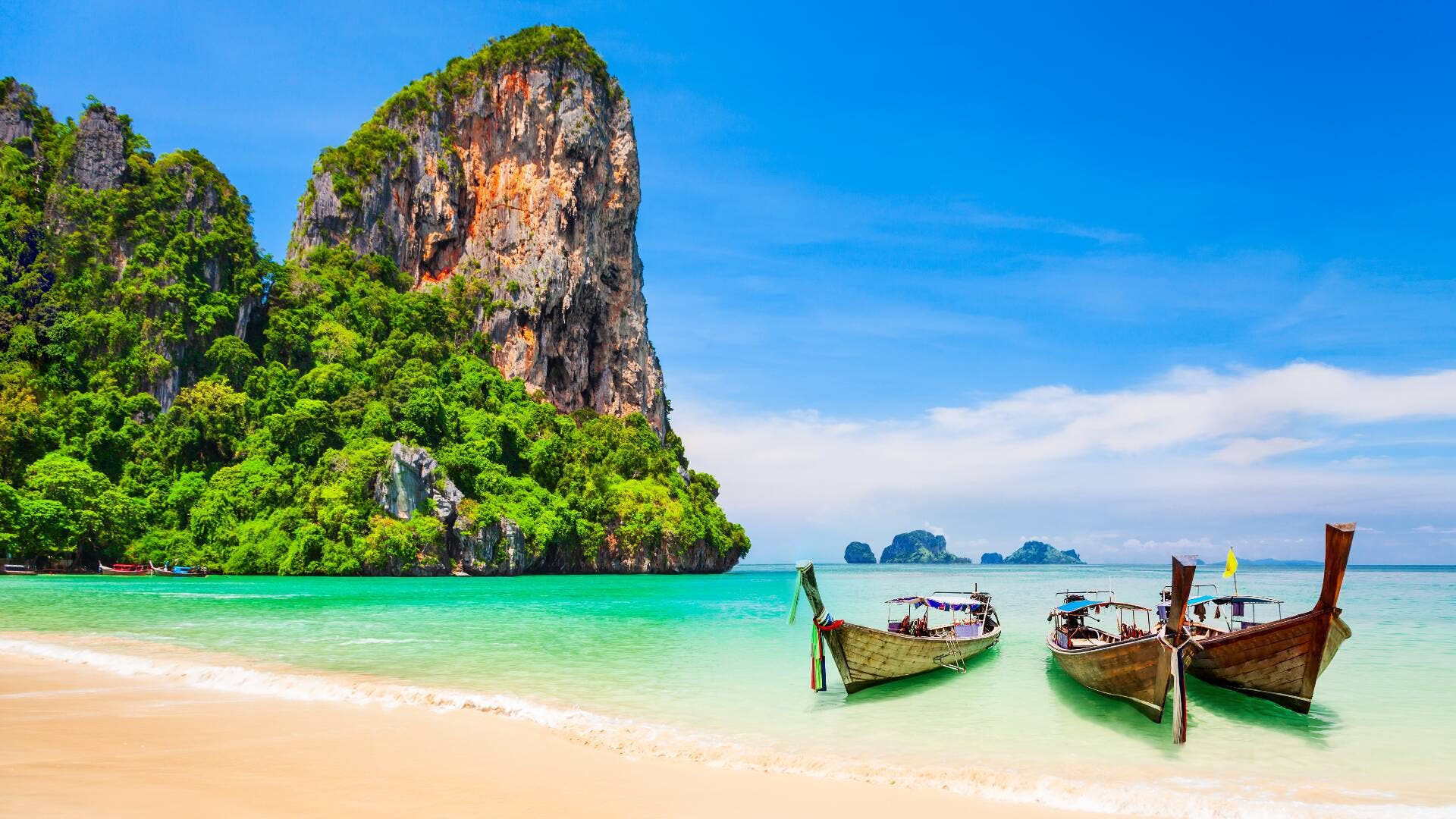
US State Department Raises Travel Warning for Southeast Asia
The US Department of State has issued a significant travel advisory for travelers heading to Southeast Asia, specifically targeting regions of Thailand and Cambodia, as well as border areas with Laos and Myanmar. The newly updated advisory cites concerns over periodic violence, civil unrest, and risks associated with local conflicts that have escalated in recent months.
According to the official advisory, travelers are strongly encouraged to exercise increased caution, and in some provinces, to reconsider travel altogether due to the unpredictable security environment. The Level 3 and Level 4 warnings highlight the volatile nature of some border regions, as well as rare but significant incidents of violence that have affected both locals and tourists.
Details of the Latest Advisory
The advisory applies to popular tourism destinations and border crossings, including:
- Northern provinces of Thailand neighboring Myanmar
- Cambodia’s remote northeast and parts of the Angkor region
- Border zones between Thailand, Cambodia, Laos, and Myanmar (Burma)
The State Department emphasized reports of periodic violence including armed clashes, landmine incidents, and criminal activity in these areas, impacting both local communities and international visitors. The advisory comes at a time when local authorities in these countries are working to reassure travelers and bolster security, especially as tourism resumes in earnest post-pandemic.
“Travelers should stay informed of local conditions, enroll in the Smart Traveler Enrollment Program (STEP), and have contingency plans in place,” the State Department recommended, underscoring the importance of situational awareness.”
Impact on Tourism and Business Travel
Southeast Asia has long been a magnet for global tourists and business professionals. In 2023, Thailand recorded over 28 million international visitors, while Cambodia saw its tourism sector rebound to nearly 5 million arrivals, approaching pre-pandemic levels based on United Nations World Tourism Organization data.
However, the latest travel advisory is expected to influence travel plans for US citizens and international travelers. Airlines and major tour operators have already reported an uptick in cancellations and inquiries related to the advisory. Corporate travel managers are weighing risks, and some businesses with regional operations are temporarily restricting travel to affected zones, particularly for non-essential personnel.
Business leaders emphasize the need for up-to-date situational guidance, with many turning to private security consultants and risk assessment firms for the latest intelligence on regional developments. Insurance providers have also updated policies, noting that some plans may exclude coverage for incidents occurring in areas with active State Department Level 3 or 4 advisories—potentially leaving travelers without reimbursement or emergency support should they encounter difficulties in those regions.
Regional Security Realities
Security challenges in Southeast Asia persist due to a complex mix of factors:
- Cross-border drug trafficking and organized crime
- Occasional clashes between government forces and insurgent groups, especially along the Thailand-Myanmar border
- Political tensions and sporadic protests in major cities
- Poor infrastructure in rural areas, making emergency response slower
Recent months have seen border skirmishes increase, especially near the Golden Triangle—a region at the intersection of Thailand, Laos, and Myanmar. The United Nations Office on Drugs and Crime (UNODC) has documented rising instability driven by transnational organized crime and armed militias. Local governments have launched crackdowns, but their ability to guarantee safety remains limited in certain provinces.
What Travelers Need to Know
For those with upcoming plans to visit Southeast Asia:
- Consult the latest guidance on the US Embassy websites for Thailand and Cambodia.
- Consider routes, layovers, and destinations carefully—avoid high-risk regions even if flights or tours are available.
- Understand insurance policy exclusions linked to travel advisories, and purchase emergency evacuation plans where necessary.
- Monitor local and international news updates for situational changes.
- Register with the Smart Traveler Enrollment Program (STEP) for real-time safety alerts.
Travel professionals recommend proactive communication with carriers, tour operators, and business partners, noting that policies are changing rapidly in response to developing events. Some US-based companies have instituted additional pre-trip security briefings and instituted travel approval protocols for employees headed to Southeast Asia.
Industry Response and Future Outlook
Tourism authorities in Thailand and Cambodia have sought to reassure travelers that mainstream tourist destinations remain safe, emphasizing enhanced police patrols and increased investment in infrastructure. However, they also acknowledge a need to cooperate more closely with international governments to address shared risks and manage perceptions.
In the short term, travelers can expect stricter security checks and more frequent advisories. In the longer term, cooperation between US and Southeast Asian authorities—coupled with ongoing improvements in regional governance—may help stabilize the situation and restore confidence among tourists, businesses, and investors alike.
For now, vigilance and flexibility are key for anyone with plans in Southeast Asia, and up-to-date information remains critical for safe and successful travel.


