
Tesla Awards Elon Musk $29 Billion in Stock Amid Ongoing Compensation Battle
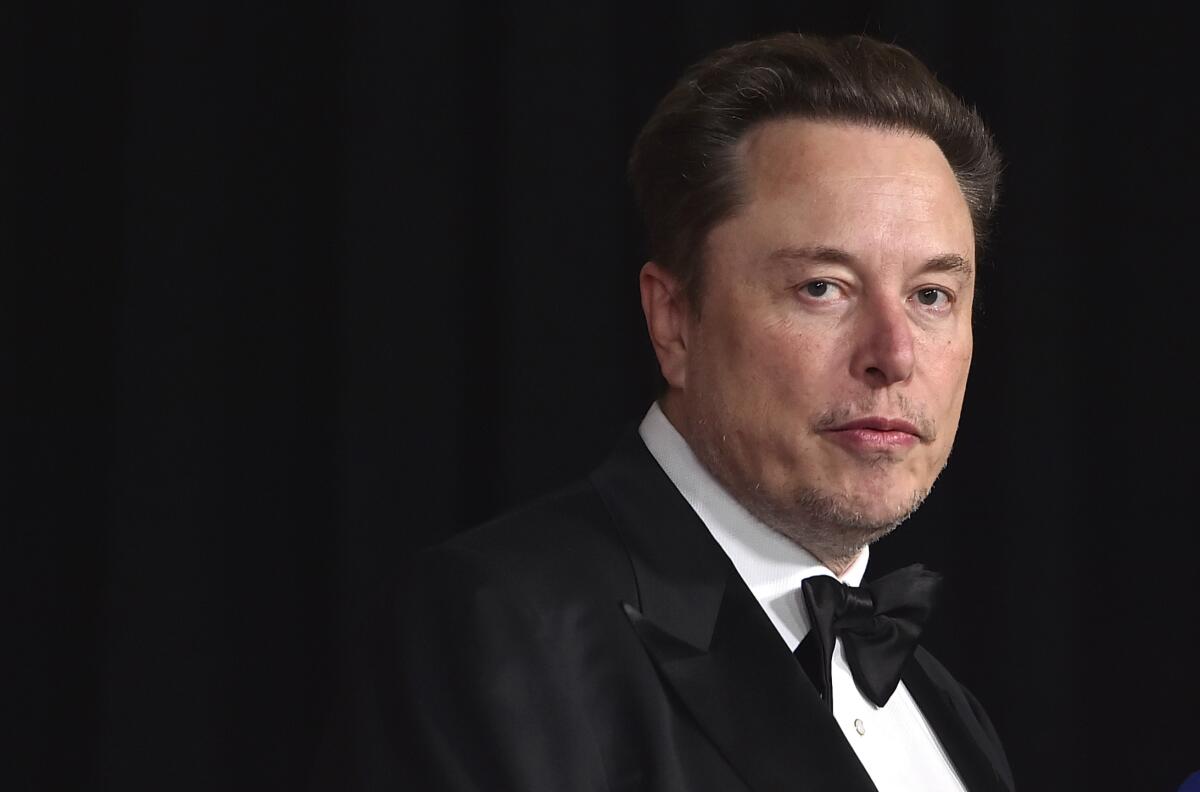
Tesla, long known for pushing boundaries in both electric vehicles and corporate leadership, has once again made headlines as its board of directors granted CEO Elon Musk an unprecedented $29 billion stock compensation package. The move comes as Tesla attempts to secure Musk’s focus and leadership during a period marked by intensifying competition, operational shifts, and fierce legal challenges surrounding executive pay.
Background: A Controversial Pay Landscape
This interim grant of 96 million Tesla shares, valued at around $300 each, will vest if Musk remains actively involved with the company in an executive capacity for the next two years. The decision follows years of legal turmoil over Musk’s previous 2018 compensation package—which, at $55 billion, was already the largest of its kind in corporate America, but was invalidated by a Delaware Chancery Court in 2024 over board governance and negotiation concerns.
Chancellor Kathaleen McCormick, presiding over the case, found that Musk had undue influence on the board and the pay negotiation, rescinding a compensation plan worth over 250 times that of the median S&P 500 CEO pay. Tesla and Musk have since appealed, arguing that his contributions fueled Tesla’s meteoric rise to a $969 billion company, making it one of the world’s most valuable automakers and technology firms.
Why the New Package Now?
The new award is described by the board as a “good faith” interim measure. Board members, including chair Robyn Denholm, emphasized its necessity both to motivate and retain Musk, whose attention has increasingly been divided among multiple ventures, including xAI, SpaceX, and his involvement in national politics. Amid market concern over his shifting focus—particularly after Musk flirted with founding a political party and accepted a brief advisory role in the Trump administration—Tesla shares have dropped over 18% year-to-date.
In a statement on X, Tesla’s board justified the package as essential to “retain and incentivize our extraordinary talent, beginning with Elon.” The committee also referenced the company’s rapid pivot to robotics, artificial intelligence, autonomous vehicles, and humanoid robots as a critical transition point requiring stable, focused leadership. Musk’s direct involvement in the launch of the robotaxi fleet and development of Tesla’s Optimus robot are touted as evidence of his continuing unique value to Tesla’s competitive future.
Industry Context: Executive Pay at Record Highs
Musk’s pay dwarfs that of even the most well-compensated executives in modern history. For context, Blackstone CEO Stephen Schwarzman earned $1.39 billion in 2008—a fraction of Musk’s package—while Palantir CEO Alexander Karp received $1.10 billion in 2020. While U.S. CEO pay has soared in the last decade, outrunning both company performance and median worker pay, Tesla’s board argues Musk’s results justify outsized rewards: under his leadership, Tesla has delivered surging revenues, led the global EV transition, and expanded into solar, energy storage, and AI.
Shareholder and Regulatory Backlash
However, the optics of such a vast payout are not without controversy. Executive compensation has become a flashpoint for investors, regulators, and labor organizations. Major institutional shareholders, such as Vanguard and BlackRock, have in recent years sharpened scrutiny of performance pay, while proxy advisory firms like ISS and Glass Lewis have recommended voting against excessive packages.
Tesla’s own shareholders remain split: Many credit Musk with driving innovation and value, while others view his compensation as emblematic of weak corporate governance. The legal battle with shareholder Richard Tornetta, which culminated in the Delaware court’s ruling, highlights the regulatory view that outsized pay requires extraordinary transparency and independence among board members.
Tesla’s Financial and Strategic Crossroads
Tesla’s current financial fortunes are a study in contrasts. On one hand, the company retains the largest share of the global electric vehicle market and continues to post strong innovation metrics—most recently showcasing enhanced FSD (Full Self-Driving) features and launching robotaxis in select cities. On the other, Tesla’s revenue growth has slowed substantially due to increased competition from the likes of BYD, General Motors, and a wave of new EV startups in China and Europe.
Brand damage from high-profile controversies, including Musk’s personal public statements and political involvement, has eroded Tesla’s previously unassailable consumer appeal. The company’s once-legendary share price has experienced significant volatility across 2024 and into 2025, amplified by macroeconomic worries and a high-profile feud between Musk and former President Donald Trump that temporarily impacted both Tesla’s credit outlook and customer sentiment.
What’s Next for Elon Musk and Tesla?
If the original $55 billion 2018 pay package is eventually reinstated on appeal, Tesla’s board states the $29 billion interim grant will be voided to prevent any “double compensation.” Until then, the debate over how much pay is necessary—or appropriate—to secure Musk’s leadership remains unresolved, with new questions arising about board independence and Musk’s ongoing role across competing ventures.
As Tesla steers toward a future defined by artificial intelligence, automation, and a global competitive chessboard, stakeholders across the financial, technological, and regulatory communities will be closely watching both Tesla’s performance and Musk’s next moves.


