
U.S. Introduces $15,000 Visa Bonds for Certain Travelers in New Pilot to Curb Overstays
By Hannah Sampson | August 5, 2025
The U.S. State Department is set to launch a controversial new pilot program that will require certain foreign travelers to pay a $15,000 visa bond before they are allowed entry into the United States. This initiative, commencing later in 2025, represents one of the most significant shifts in U.S. travel policy in recent years, with far-reaching implications for global tourism, international business, and diplomatic relations.
Policy Details: Who Will Be Affected?
According to information released by the Department of State, the pilot program specifically targets travelers from countries whose nationals have a high rate of overstaying temporary business and tourism visas. The countries included in the initial phase are expected to be those flagged in the Department of Homeland Security’s annual visa overstay report. Past lists have featured countries in Africa, Asia, and the Middle East, such as Nigeria, Yemen, and Sudan, many of which are not covered by the U.S. Visa Waiver Program and routinely exceed the U.S. threshold for visa overstays.
The $15,000 bond will apply primarily to visitors seeking B-1 and B-2 visas – issued for short-term business and tourism, respectively. The bond is designed to act as an insurance mechanism: travelers will forfeit the deposit if they do not leave the U.S. by the expiration date on their visa. If the traveler exits on time, the bond will be returned.
This financial requirement does not apply to students, immigrants, or those coming under immediate family reunification provisions. U.S. consular officers retain discretion to determine which visa applicants must pay the bond, based on their assessment of overstay risk.
Government Motivation and Response
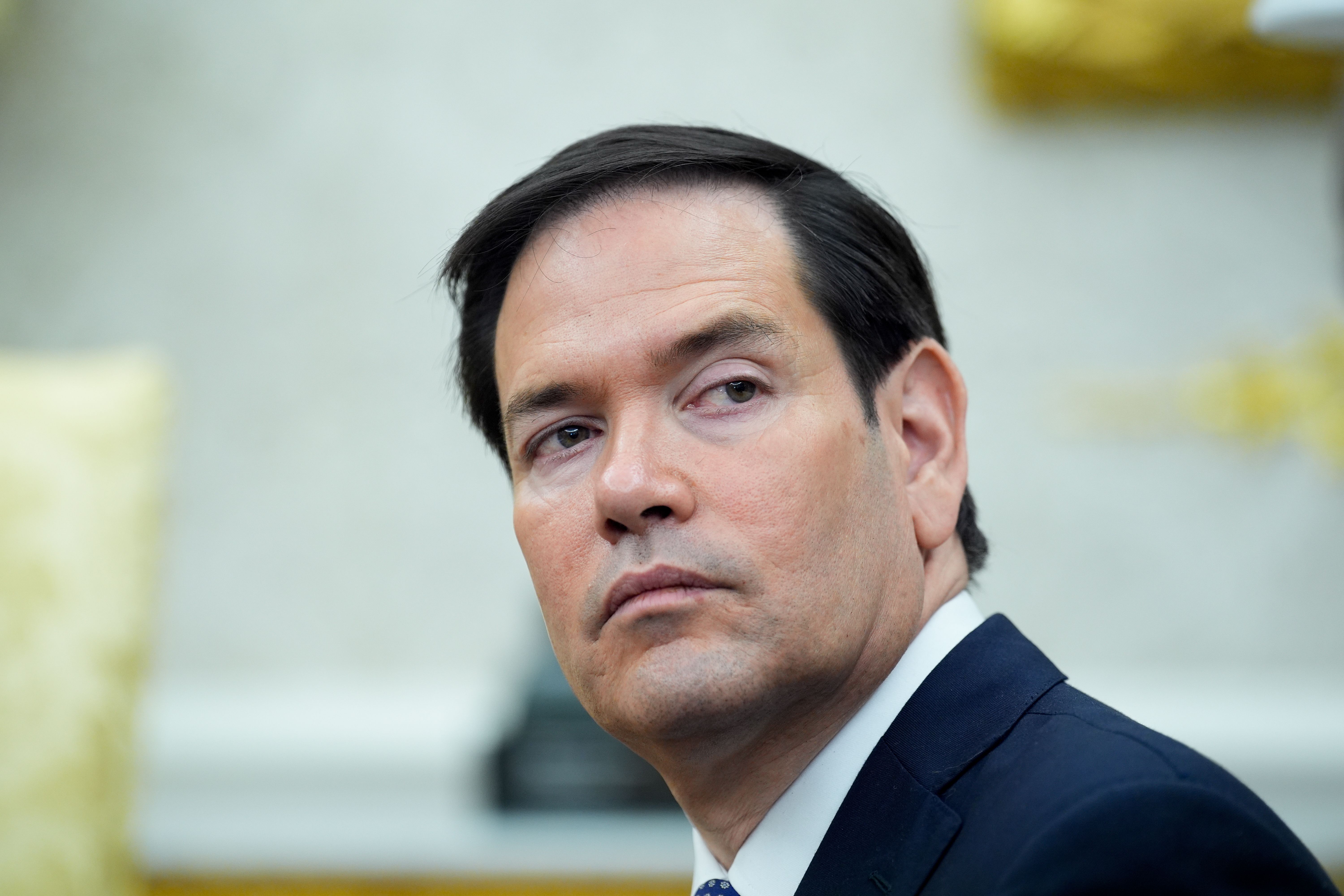
Announcing the policy, Secretary of State Marco Rubio emphasized the need to “protect U.S. borders and the integrity of our immigration system.” The Department cited persistently high overstay rates – estimated at nearly 700,000 people in 2023 according to DHS reports – as a justification for the measure, arguing that the bond provides a direct incentive for compliance with visa laws.
The U.S. has periodically voiced concern over visa overstays, which account for a significant proportion of undocumented migrant numbers. While the overall overstay rate hovers around 1%, for some countries it is far higher, exceeding 10%. The administration sees the bond program as a targeted deterrent that avoids blanket travel bans while addressing real risks.
However, critics – including travel industry leaders, some lawmakers, and migrant advocacy groups – argue the bond requirement is excessively punitive and will chill travel from emerging markets. The American Travel Association warned the bond “creates a significant new barrier for legitimate visitors” and could further erode the United States’ share of global tourism, which has not fully recovered since the COVID-19 pandemic.
Comparisons and Policy Background
Visa bonds are not entirely new to U.S. immigration policy. A similar, though temporary, policy was implemented under the Trump administration from December 2020 through June 2021, which required bonds from travelers of certain high-overstay countries, but at lower amounts. The outcomes were inconclusive, and the program was not renewed.
By comparison, only a handful of wealthy countries – such as Australia and the United Kingdom – impose substantial visa bonds, usually targeting high-risk cases or temporary work visa categories. The U.S. move to target casual business and tourist travelers on this scale is unprecedented among G7 nations.
The current pilot is part of a broader tightening of U.S. visa policy in 2025, including the recent introduction of a $250 non-refundable integrity fee for certain categories of foreign travelers. Both policies are framed as responses to pressure over border security and rising undocumented migration in a volatile global environment.
Economic and Diplomatic Implications
The U.S. is a top destination for international travel, with nearly 80 million foreign arrivals in 2023. Industry groups estimate foreign visitors contributed over $150 billion in spending last year, supporting jobs across hospitality, retail, and transport. Visa barriers tend to reduce demand most sharply from growth markets whose citizens lack strong credit or banking histories – precisely those required to post bonds under the new rules.
Countries targeted for bonds could retaliate with reciprocal requirements on American travelers, as has occurred in prior disputes over visa facilitation. There is also potential for heightened diplomatic tensions, especially with business and government delegations from affected nations, at a time when the U.S. is seeking to strengthen commercial and security ties in Africa, Asia, and Latin America.
Practical Impacts and Next Steps
The new visa bond pilot is scheduled to go into effect in late 2025, running for at least six months before a policy review. U.S. embassies and consulates worldwide are said to be preparing for implementation, including training staff and updating visa processing systems. Travelers subject to the bond will be notified at the time of their visa application interview, and instructions for handling payments and refunds are expected to be issued in the coming months.
Most major airlines and travel agencies are updating travel advisories, and foreign governments are working to clarify how the new bond may affect tourism and cross-border business in their countries. Although the State Department asserts the policy is “temporary,” its future may depend on data from the pilot period and the evolving domestic politics of immigration and border control.
Key Takeaways for Travelers:
- If you are applying from a country with a high visa overstay rate, check with your local U.S. consulate about the new bond requirements before making travel plans.
- Be prepared for higher up-front costs and make sure to understand the process for recovering your bond upon timely departure.
- Monitor updates from the U.S. State Department and the Department of Homeland Security as the pilot unfolds.
With the policy expected to affect tens of thousands of applicants, industry observers and advocacy organizations will be watching closely for signs of its effectiveness—and its unintended consequences—on tourism, business, and America’s standing as a global destination.


