
CyberArk Founder Alon Cohen: Why the $25B Palo Alto Deal is a ‘Delicate Merger’—and What It Means for Cybersecurity
By Diana Bahur-Nir | August 11, 2025
In the largest cybersecurity acquisition in Israeli history, Palo Alto Networks has agreed to acquire CyberArk for $25 billion. Alon Cohen, CyberArk’s co-founder, characterizes this watershed agreement as less a takeover and more a “delicate merger” between industry giants—one designed to meet the existential security challenges unleashed by rapid advances in artificial intelligence.
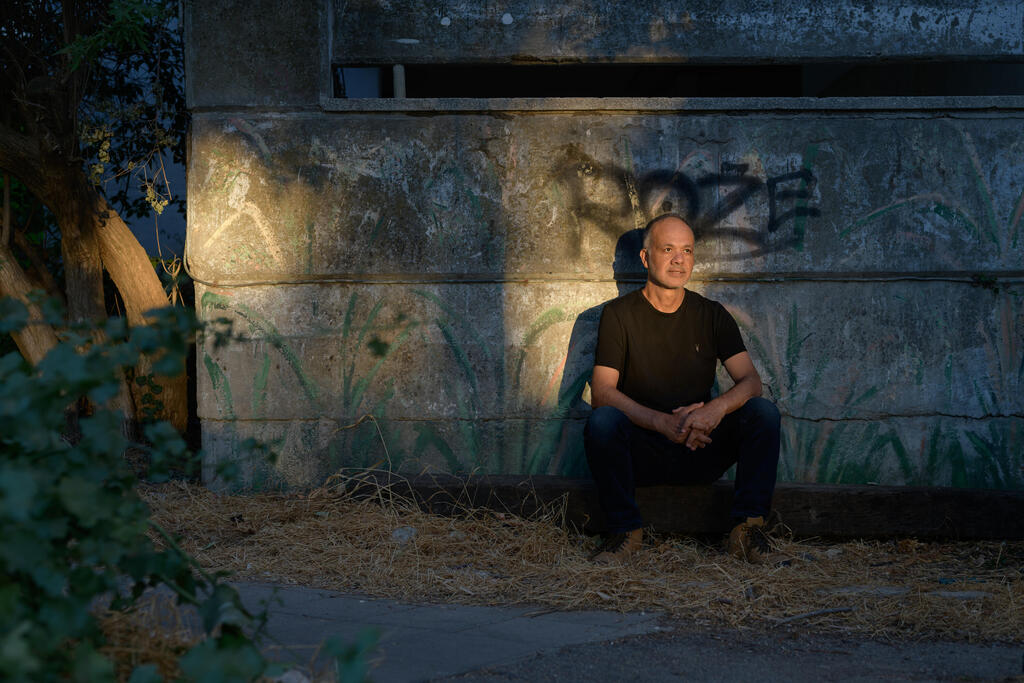
From Personal Breach to Industry Disruptor: The Birth of CyberArk
Founded in 1999 by Alon Cohen and his high school friend Udi Mokady, CyberArk grew out of a deeply personal moment. Cohen realized the critical importance of information security after a private letter he wrote during his army service was leaked to peers via a security breach. What began in a home basement—a safe for digital secrets—became a pioneer of privileged access management (PAM) at a time when few realized controlling digital identities would become a defining challenge for global businesses.
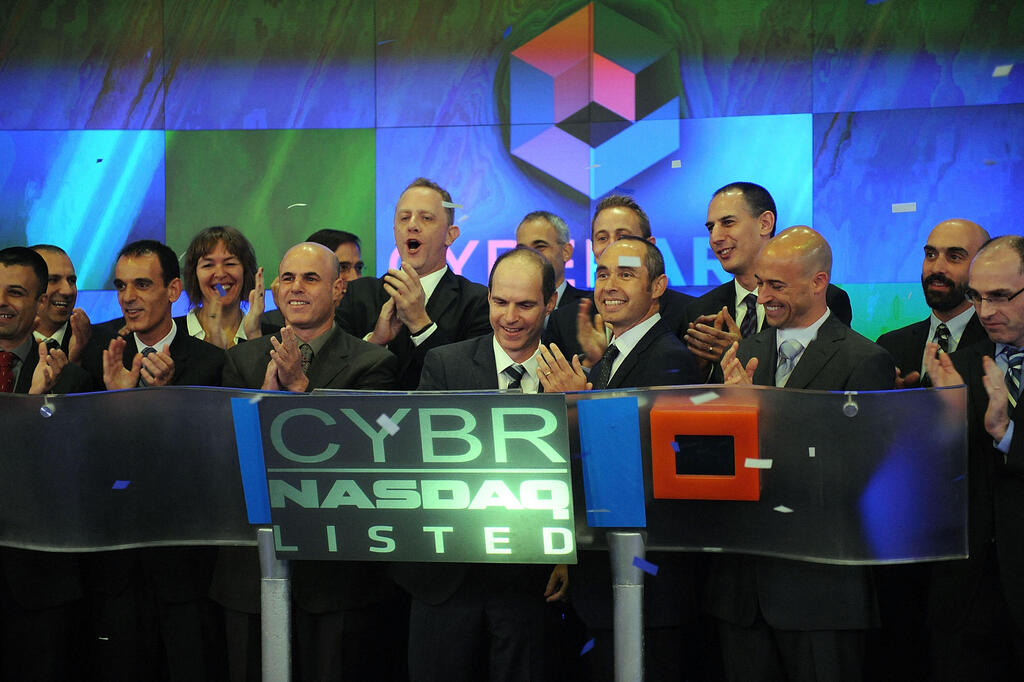
Today, CyberArk stands as a $20 billion Nasdaq-traded giant, employing over 3,800 worldwide. The recognition of its technological edge prompted one of the industry’s biggest players, Palo Alto Networks, to propose a $25 billion all-stock deal, potentially closing by late 2026. This transaction trails only Google’s pending $32 billion purchase of Wiz among Israeli high-tech deals, reinforcing the country’s position as a global cybersecurity powerhouse.
The Strategic Rationale: AI and the Explosion of Digital Identities
So why is Palo Alto willing to pay a premium—more than 25 times CyberArk’s annual sales and 25% above its market cap?
“AI changes the entire picture,” Cohen explains. “The world will soon see millions of AI agents acting on users’ behalf: buying, booking, managing files. Each must be trusted, authenticated, and monitored to prevent catastrophic digital mistakes or breaches. Traditional identity management was built for people, not autonomous networks of agents. This surge in non-human identities is a risk and an opportunity—one Palo Alto wants to own.”
Industry analysts agree: McKinsey estimates that by 2030, the number of machine identities in large enterprises will outnumber human identities by a factor of 50, driven largely by rapid AI adoption and automation. Illustrating this, Gartner’s 2024 Hype Cycle for Cyber and IT Risk Management highlights “identity-first security” as a top strategic priority, forecasting explosive demand for advanced PAM tools.
Investor Skepticism—and the Risks of Mega-Mergers
While the deal is historic, Wall Street’s reaction was lukewarm: Palo Alto Networks’ shares dropped sharply after the announcement, while CyberArk’s rose only modestly. Critics like Check Point and Imperva co-founder Shlomo Kramer argue that cybersecurity “giant supermarkets” rarely deliver on their promise—citing IBM’s uneven record of multi-segment dominance as a cautionary tale.
But Cohen remains guardedly optimistic. “You can’t always apply past failures to future opportunities. This is more of a merger than a classic acquisition—Palo Alto’s tech and customer reach, plus CyberArk’s deep PAM expertise. It’s risky, especially with potential talent loss and cultural clashes, but the upside is enormous if integrated wisely.”
Deal Dynamics and Future Leadership
Unlike many exits, most of CyberArk’s founders and original investors have already cashed out significant holdings, meaning the primary beneficiaries are now American institutional investors. However, Cohen is quick to recall that over the years, payroll and share sales have netted Israel billions in tax revenues—and the company’s continued local R&D means that economic activity will remain rooted in Israel for the foreseeable future.
On leadership, Cohen—no longer a major shareholder but ever the thought leader—believes that “fresh vision is vital.” Drawing analogies to long-serving CEOs like Gil Shwed at Check Point, Cohen argues that transformative leadership sometimes requires stepping aside to avoid stagnation.
The Personal Toll—and Rewards—of Tech Entrepreneurship
Cohen’s own journey is testament to the sacrifices founders often endure. Raised by a single mother after the death of his father, and shaped by economic hardship in Jerusalem’s Baka neighborhood, Cohen credits his personal struggles and risk-taking mentality as key ingredients for entrepreneurial success. If you want to be happy, God forbid you become an entrepreneur. It’s a crazy emotional roller coaster, for years. You lose hair and joy—family pays a price too.
Despite the headline-grabbing cashouts, Cohen says “I’ll never be able to spend everything I have anyway. Money is a headache to manage, and in the end, I’ll pass it on to my children.”
The Next Chapter: AI Safety and the End of Work?
What’s next for Cohen? “My next venture will be in AI safety—protecting against the very risks that the current deal sets out to solve. Within a decade, I predict most people won’t work much at all; automation and AI will transform the definition of meaningful life.” He expects basic income to become a government responsibility and muses on the challenge of raising children to be purposeful in a post-work world. “Work is about meaning. Losing that is a real societal risk.”
Politics, Policy, and the Israeli Tech Ecosystem
Known for his outspoken criticism of government attempts to undermine judicial independence, Cohen warns that tech innovation thrives in open democracies: To be a high-tech powerhouse, you need quality education, political stability, and freedom of thought. Anything less threatens our hard-won status.
As Cohen weighs registering his next company abroad, he underscores the delicate balance between personal loyalty to Israel and the realities of global business and governance.
Conclusion: A Defining Test for Cybersecurity’s Future
This mega-merger will set the tone for cybersecurity—and tech M&A—well into the AI era. If CyberArk and Palo Alto’s integration succeeds, they’ll fuel a new model of AI-driven security, fusing Israeli innovation with Silicon Valley scale. If not, the deal will serve as a cautionary tale for future platform plays in a next-gen threat landscape.


