
Epstein Scandal Shadows Trump Administration As Calls for Transparency Mount
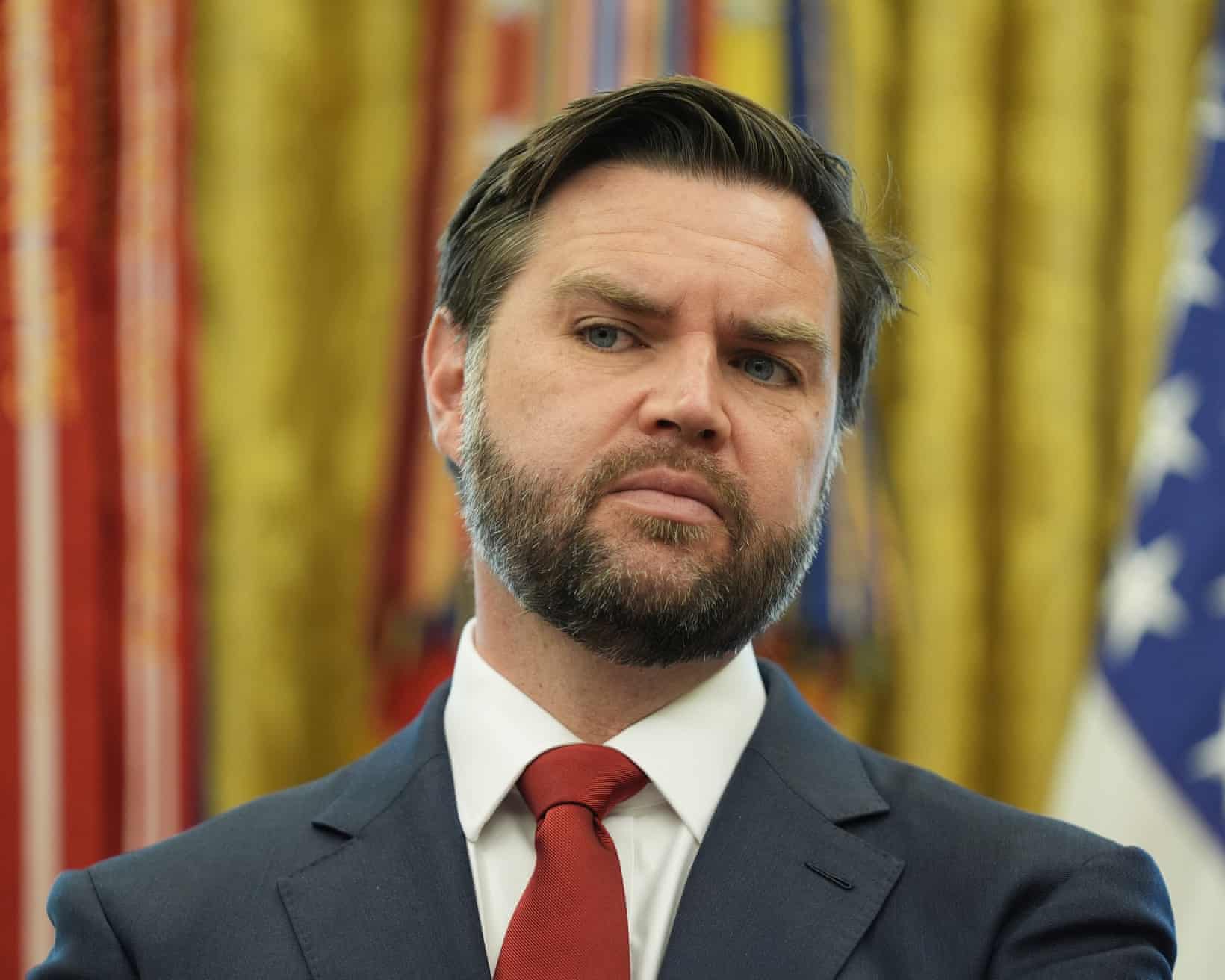
The Trump administration is under mounting pressure after Vice President JD Vance’s public remarks intensified the ongoing furor over transparency in the Jeffrey Epstein case. In a Fox News interview that aired on August 10, 2025, Vance sharply criticized former President Joe Biden for his alleged inaction on the Epstein scandal while in office, but his comments have backfired, inciting fresh demands for the White House to “release the files.” This controversy adds another layer to the political drama that has shaped the second Trump term, further polarizing an already divided U.S. political landscape.
Administration Under Fire: The Epstein Files Dilemma
The scandal surrounding convicted sex offender Jeffrey Epstein has proven to be a stubborn shadow for both the current and previous administrations. Calls for transparency have surged in the wake of Vice President Vance’s accusations, which attempted to blame the Biden administration for failing to address lingering questions about Epstein’s connections and the so-called “Epstein files.” Almost immediately after Vance’s televised comments, social media platforms lit up with trending hashtags and posts demanding the release of any documents related to the high-profile case.
The pressure is not only coming from opposition voices. Advocacy organizations, victims’ groups, and even some conservative pundits have joined the call for increased government openness, arguing that restoring public trust requires clarity about high-profile investigations. The calls for transparency have added complexity to the Biden-Trump rivalry and have forced the White House to tread carefully as it navigates both legal and political risks.
Polarization and Conspiracy Theories Fuel the Debate
The response to Vance’s remarks highlights the deepening polarization in American politics. Conspiracy theories, which had already flourished during the 2024 campaign, have gained new life. Senior Trump administration officials, who had previously encouraged speculation around Epstein in the run-up to the election, now face their own supporters’ demands for disclosure.
The renewed interest in the Epstein files comes at a time of heightened mistrust toward governmental institutions. A June 2025 Pew Research Center survey found that only 22% of Americans say they trust the federal government to do the right thing most or all of the time, one of the lowest rates in decades. Polling conducted by Reuters/Ipsos after Vance’s Fox News interview shows that 61% of Americans support making all non-sensitive records relating to the Epstein case public.
White House Struggles to Control the Narrative
The Trump administration’s communications strategy has come under scrutiny, as strategists seek to defuse the growing outcry. According to White House insiders, Vance convened top officials in a private meeting days prior to the interview, urging the team to construct a new messaging plan to contain the fallout from both the Epstein scandal and its broader implications for the administration’s image.
Still, these attempts at damage control have so far failed to quiet the relentless media coverage. Influential political commentators on both the left and right have suggested that only full disclosure will suffice to restore confidence. Multiple Congressional committees, including the House Oversight and Reform Committee, are reportedly ready to subpoena records if voluntary release does not occur. The pressure is amplified by persistent leaks and rumors across social media, fueling public impatience with perceived government secrecy.
Broader Political Context: Second Term Tumult
The Epstein controversy is just one of several political crises plaguing the Trump administration as it enters the latter half of its second term. In recent weeks, President Trump has taken aggressive stances on immigration, law enforcement, and U.S.-Russia relations, drawing both praise and mounting criticism for what some view as an increasingly unaccountable executive branch.
This week alone, the administration has weathered challenges including a landmark court ruling on environmental protections, escalating disputes over immigration enforcement revenues, and new redistricting battles in Texas that threaten to reshape Congressional power dynamics for years to come. The administration’s blanket statements on transparency in the Epstein matter have been contrasted with its robust efforts to withhold or classify documents in other domains, undermining consistent messaging.
Pressure from All Sides: What Happens Next?
Even as Vice President Vance attempts to redirect attention to perceived Democratic failures, the focus on the Trump administration’s own record grows ever sharper. Advocacy groups, civil liberties organizations, and a broad spectrum of media outlets—ranging from mainstream publications to investigative platforms—continue to pursue the story.
Experts caution that the administration’s unwillingness to act decisively may feed further speculation and misinformation. Legal analysts point to ongoing lawsuits by journalists and transparency advocates seeking Epstein-related records under the federal Freedom of Information Act (FOIA). Lawmakers have hinted at introducing new bipartisan legislation aimed at increasing government transparency in high-profile criminal investigations, further raising the stakes.
Ultimately, the question of whether the White House will release the sought-after documents remains open. Meanwhile, the unfolding drama guarantees that the Epstein scandal—and its implications for public trust in government—will remain at the forefront of the American political debate through 2025 and beyond.


