
Spirit Airlines Warns It May Not Survive Without New Funding
By Gordon Smith | August 12, 2025
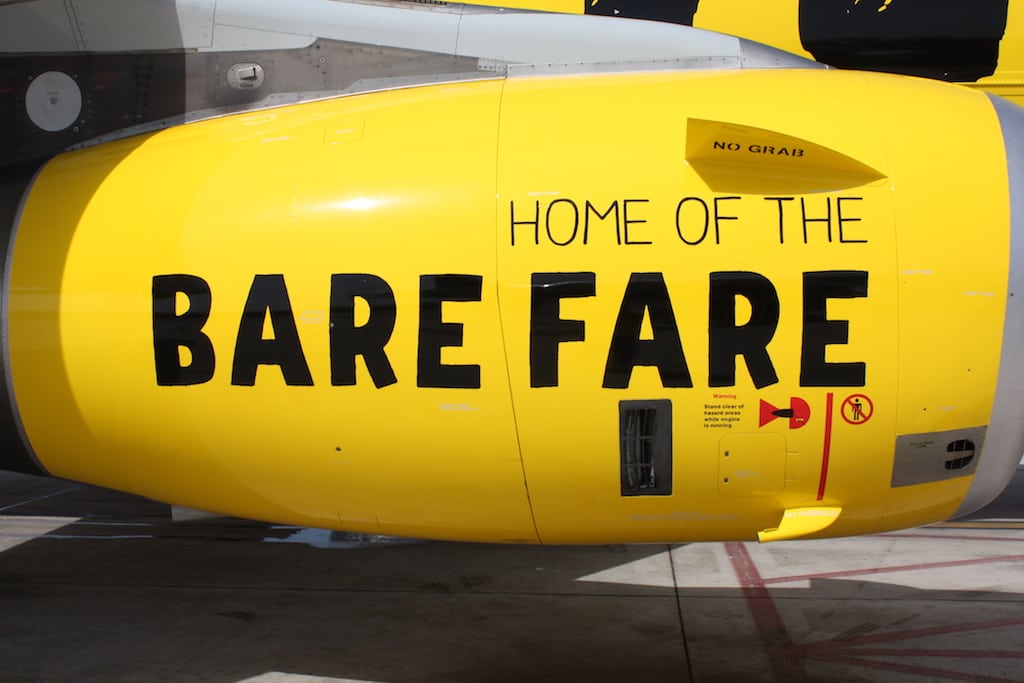
Spirit Airlines, a prominent U.S. ultra-low-cost carrier known for its bright yellow jets and bare-bones fares, finds itself in a precarious financial position. In a recent filing with the Securities and Exchange Commission (SEC), Spirit delivered a stark assessment: the company’s viability is at growing risk unless it secures new capital or completes a major restructuring in the coming months.
Financial Distress Intensifies After Merger Collapse
Spirit’s latest SEC filing comes on the heels of its tumultuous attempt to merge with JetBlue Airways—a deal that, after prolonged antitrust scrutiny, was blocked by a federal judge in January 2025. Spirit’s leadership had long pitched the merger as the airline’s best lifeline, but the failed deal left the company burdened with legal costs, restructuring expenses, and mounting debt. In its warning, Spirit signaled that “substantial doubt exists about the company’s ability to continue as a going concern.”
The airline, which emerged from Chapter 11 bankruptcy protection in late 2024, has seen passenger numbers lag, squeezed by fierce price competition and the broader industry shift towards larger carriers consolidating their market power. According to its latest quarterly report, Spirit posted a net loss of $229 million for Q2 2025, compounding losses from previous quarters.
Industry Headwinds: High Costs and a Tight Market
Spirit is far from alone in experiencing pressure, but its business model is more vulnerable to rising fuel costs, fluctuating demand, and economic uncertainty. Industry data shows that ultra-low-cost carriers (ULCCs) have struggled to keep up with legacy airlines, which enjoy greater pricing power, broader networks, and deeper pockets for weathering downturns.
In 2024, U.S. domestic airfares dropped by nearly 7% year-over-year according to the Bureau of Transportation Statistics, even as operational costs continued to climb. Labor shortages, aircraft delivery delays from major manufacturers like Airbus and Boeing, and increased regulatory scrutiny have further complicated recovery for smaller airlines.
Bankruptcy and Restructuring: Limited Options for Spirit
Having exited bankruptcy only months ago, Spirit now faces the prospect of another chapter 11 filing unless it can quickly secure funding. Sources close to the company say negotiations are ongoing with potential investors, private equity groups, and existing creditors to stave off liquidation or another court-led restructuring.
In its SEC statement, Spirit acknowledged it may need to consider “asset sales, sale-leaseback transactions, or even discontinuing certain routes or operations” if liquidity does not improve. The airline has already slashed certain unprofitable routes and scaled back capital spending plans for the remainder of 2025. Despite these efforts, rating agencies including Moody’s and S&P have downgraded Spirit’s credit to deep-junk levels, citing “deteriorating liquidity and persistent negative cash flow.”
The Broader Impact: Passengers and the Airline Ecosystem
Spirit’s financial distress threatens not just the company and its 10,000+ employees, but also the broader U.S. airline marketplace. As one of the nation’s top five carriers by domestic seats, Spirit has long served price-sensitive travelers on key leisure routes. Its possible exit or further reduction in service could reduce competition, leading to higher fares for consumers and less service to smaller markets.
Travel industry analysts warn that Spirit’s situation is a bellwether for ULCCs globally. Recent data from CAPA Centre for Aviation notes that over a third of ultra-low-cost providers worldwide are facing losses in 2025, and more consolidation or exits are likely unless market dynamics shift.
Looking Ahead: Lifelines and Challenges
For now, Spirit’s leadership is focused on cutting costs and enhancing ancillary revenues—such as bag fees and in-flight sales—to improve margins. The company is also exploring partnerships, joint ventures, and potential routes expansion in markets with less competition. However, without a substantial cash infusion, Spirit’s future remains highly uncertain.
In a statement to investors, CEO Ted Christie expressed the airline’s commitment to exploring “every possible avenue” to remain operational. Nonetheless, he acknowledged the “extremely challenging outlook” facing the company without outside financial support.
As industry observers watch closely, Spirit’s fate could soon send ripple effects through America’s competitive but unforgiving airline market—reshaping not only the fate of discount flyers, but the broader evolution of U.S. aviation in the post-pandemic age.


