
Trump Hikes Tariffs Despite Economic Warning Signs
Published: July 2025
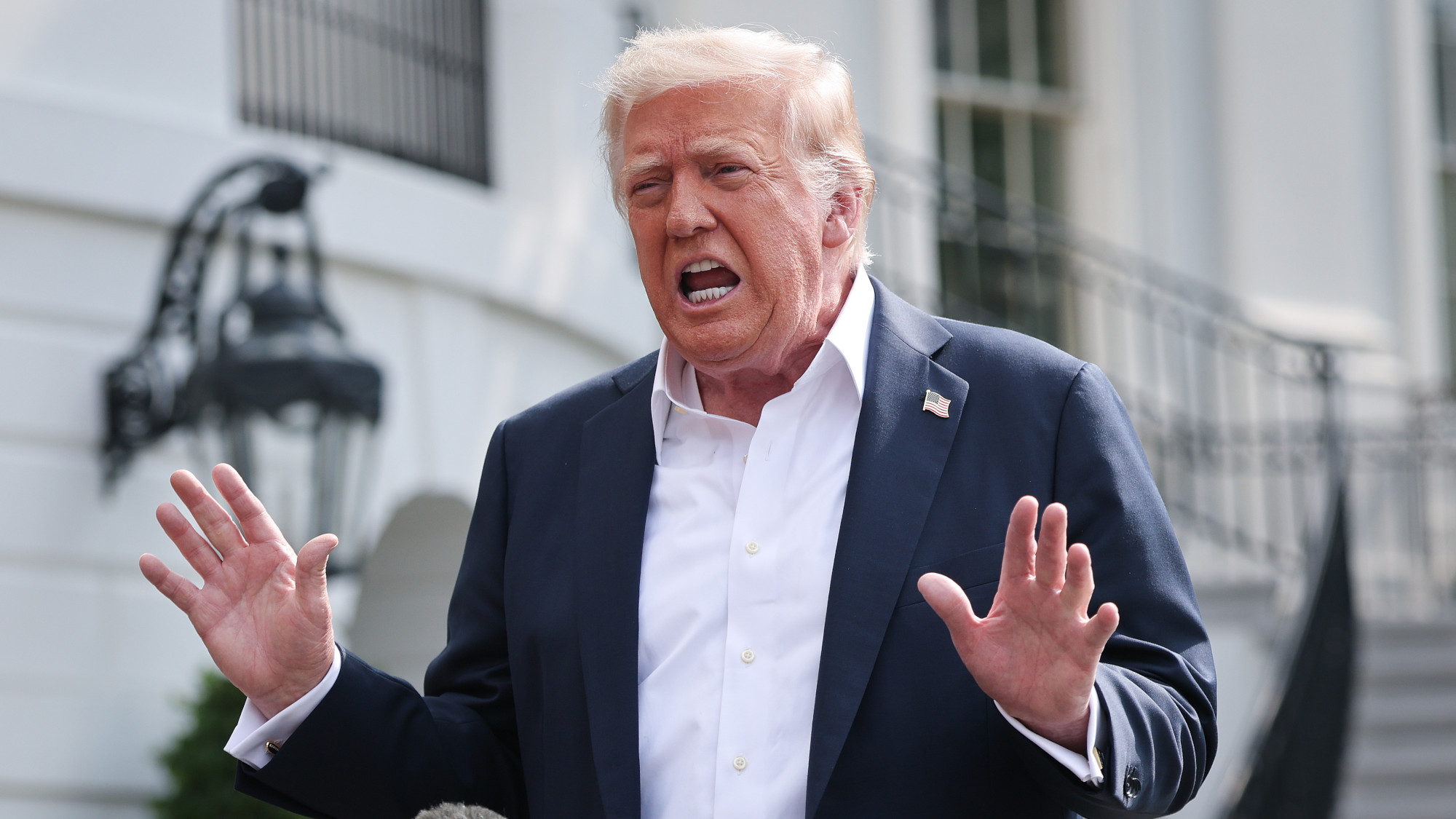
Tariffs Reach Historic Highs Amid Economic Strain
In a dramatic escalation of America’s ongoing trade war, President Donald Trump signed an executive order this week introducing sweeping tariff hikes on imports from dozens of trade partners. The move, which raises U.S. import duties to their highest levels in over a century, comes as sobering economic figures spark growing concerns about the country’s financial health.
The Bureau of Labor Statistics (BLS) reported a significant slowdown in job growth in July, with only 73,000 new jobs added — far shy of expectations. Revised estimates for previous months showed even weaker hiring, marking the weakest quarterly performance since the aftermath of the Great Recession, aside from pandemic-related downturns. In response, Trump abruptly terminated BLS Commissioner Erika McEntarfer, claiming — albeit without evidence — that she manipulated economic data for political reasons. The move stoked controversy over the politicization of traditionally nonpartisan government agencies.
Details of the New Tariff Regime
Effective August 7, 2025, the new tariffs apply different rates based on the U.S.’s trading relationship and the perceived national interest. Countries with whom the U.S. sustains a trade surplus face a baseline 10% tariff, but rates increase sharply for key economies and U.S. allies:
- European Union: 15%
- Canada: 35%
- Switzerland: 39%
- Taiwan, the Philippines, Vietnam: approx. 20%
- India: 50% by late August, following additional penalties for Russian oil imports
President Trump has also previewed new targeted tariffs on semiconductors and pharmaceuticals, with some rates potentially reaching up to 250%. This unprecedented wave of protectionist policy has triggered widespread concern among businesses, trading partners, and economists worldwide.
Economic Fallout Spreads Across American Industries
Major American companies are already reporting the negative impact of tariffs. According to the U.S. Commerce Department, consumer prices surged by 2.6% year-over-year in June, outpacing predictions and fueling worries about inflation. Companies like Adidas, Procter & Gamble, and AutoZone have announced price increases to offset higher import costs. Ford Motor Company disclosed a $36 million loss in the second quarter, compared to $1.8 billion in profits a year earlier, attributing a significant portion of their losses to new tariffs on auto components and raw materials. Industry leaders estimate that import taxes could cost Ford alone up to $2 billion this year.
“The triumphalism is palpable in MAGA land over Trump’s new trade regime, but they should hold the euphoria,” cautioned an editorial in The Wall Street Journal. Despite promises of a manufacturing renaissance, the U.S. manufacturing sector has lost jobs for three consecutive months. Without substantial growth in the health-care sector, which is generally shielded from external shocks, net job losses would be even steeper. Analysts contend that ongoing uncertainty around tariffs and stricter immigration policies are undermining business investment and hiring decisions.
Critics Warn of Stagflation as Consumer Burden Mounts
Opinions remain sharply divided on the efficacy of tariffs as an economic lever. Bloomberg columnist Robert Burgess characterized the outcome as “undeniable folly,” citing a sharp drop in quarterly job creation — from 611,000 jobs in early 2025 to just over 100,000 in the most recent quarter — following the April tariff announcements. Federal data shows consumer spending fell during the first half of the year, while GDP growth projections have been slashed: forecasters now predict just 1.5% U.S. GDP growth for 2025, down from 2.8% in 2024.
“What we’re seeing is stagflation: stagnating economic growth, rising prices, and elevated unemployment,” Burgess wrote. Meanwhile, Yale economists estimate that the average American household will pay an extra $2,400 this year as firms pass tariff costs onto consumers. Businesses had previously attempted to buffer customers from price hikes by stockpiling inventory and absorbing some costs, but those measures are waning, and price increases are becoming widespread.
Auto industry analysts have highlighted additional contradictions: while the administration claims tariffs will boost domestic car manufacturing, U.S. automakers face steep duties on imported parts and critical materials, squeezing margins. Japanese manufacturers, facing lower tariffs, now have incentives to keep production overseas rather than expand U.S. facilities. Ford, GM, and others have warned of further production cuts and potential layoffs if input prices remain high.
Global and Legal Blowback Intensifies
This latest round of tariffs has drawn angry rebukes from traditional allies and major trading partners. The U.S. Chamber of Commerce, European officials, and representatives from India, Canada, and others have announced retaliatory measures, including tariffs on U.S. exports and potential boycotts. Several countries are accelerating efforts to diversify away from American supply chains, turning to alternative markets in Asia and Europe. The escalation raises the risk of a full-blown global trade war, with potential for severe disruptions in global supply chains and commodity markets.
Simultaneously, legal challenges to Trump’s executive authority over tariffs gained momentum. A coalition of small businesses and states has taken their case to the U.S. Court of Appeals for the Federal Circuit, arguing that the president exceeded his powers as defined by the Constitution and the International Emergency Economic Powers Act of 1977. During oral arguments, multiple judges expressed skepticism over the administration’s claim that longstanding trade deficits constitute a national emergency meriting such sweeping action.
Any verdict is expected to take weeks or months, with a possible Supreme Court challenge looming. The outcome could reshape the legal boundaries of presidential power over trade and set a precedent for future administrations.
What’s Next for U.S. Trade and Economic Health?
Looking forward, the U.S. economic outlook remains clouded by uncertainty. Ongoing trade disputes are dampening business investment and threatening sectors from agriculture to advanced manufacturing. With consumer prices rising and job growth decelerating, households may bear increasing financial strain. Economists warn that further escalation or prolonged trade hostilities could tip the global economy toward a downturn, as international growth signals slow and major economies consider retaliatory moves.
Amid legal reviews and mounting backlash, the future direction of U.S. trade policy hangs in the balance. Key stakeholders — from multinational firms to small businesses and working families — await clarity on whether the tariff regime will be upheld or reshaped in the courts. Until then, the global economic stage faces mounting volatility stemming from the world’s largest economy.


