
Elon Musk Threatens Legal Action Against Apple Over App Store Rankings as Antitrust Scrutiny Mounts
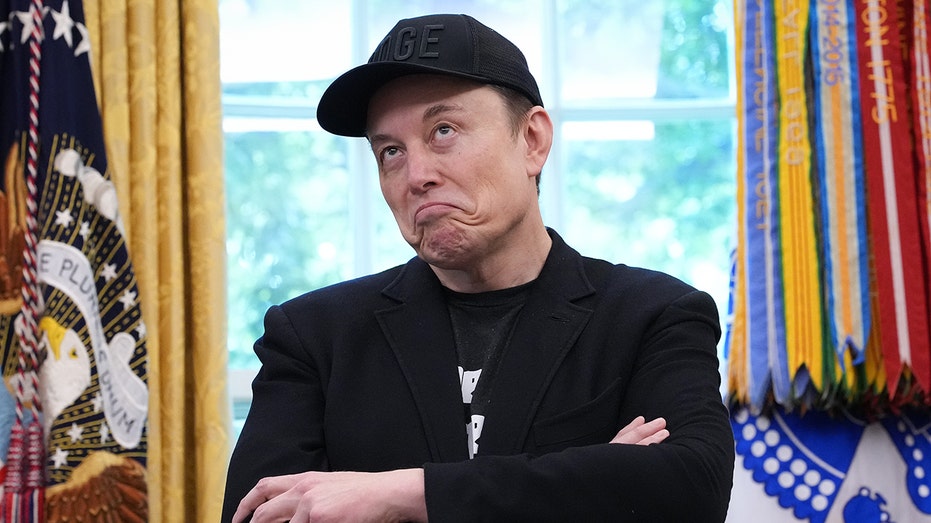
Elon Musk has launched a public challenge against Apple, alleging unfair treatment of his social platform X and the Grok AI chatbot in the Apple App Store. The tech billionaire’s threat of legal action comes amidst heightened regulatory scrutiny and growing concerns about antitrust practices in the technology sector.
The Latest Round in Musk vs. Apple
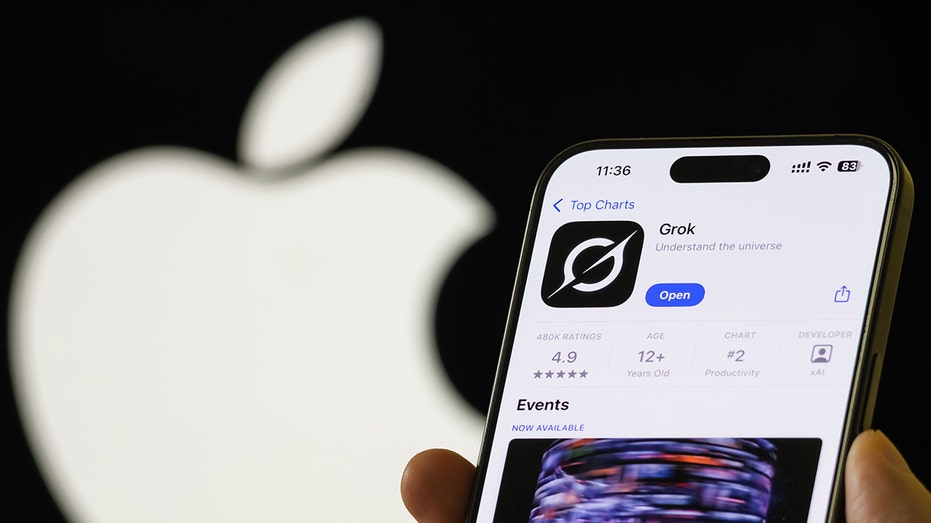
On Monday, Elon Musk, owner of X (formerly Twitter) and founder of xAI, took to his own social platform to question Apple’s decision not to showcase X or Grok in its “Must-Have Apps” section. Despite X being the top news app in the U.S., Apple’s featured list omitted both X and Grok, instead highlighting apps such as TikTok, Tinder, Duolingo, and OpenAI’s ChatGPT.
“Hey @Apple App Store, why do you refuse to put either 𝕏 or Grok in your ‘Must Have’ section when 𝕏 is the #1 news app in the world and Grok is #5 among all apps? Are you playing politics? What gives? Inquiring minds want to know,” Musk posted.
Apple did not immediately respond to Musk’s allegations. This escalation signals deepening friction between the tech giants against a backdrop of fierce competition in artificial intelligence and content platforms.
Competitive AI Landscape: Apple, OpenAI, and xAI
Apple recently announced a landmark partnership with OpenAI, integrating ChatGPT into its upcoming “Apple Intelligence” features across iOS, iPadOS, and macOS. Meanwhile, Musk, a co-founder and early donor to OpenAI, has become openly critical of the company and launched his own AI venture, xAI, in 2023. Grok, xAI’s chatbot, distinguishes itself with a “rebellious streak,” and enjoys popularity as an alternative to other mainstream chatbots.
While ChatGPT leads the Apple App Store’s “Top Free Apps” category, Grok still made a significant showing, ranking sixth, according to AppBrain data. On Android’s Google Play Store, Grok sits in the top 30, though still trailing behind OpenAI’s runaway success. These rankings highlight user demand and reflect the rapidly evolving popularity of generative AI assistants.
App Store Rankings Snapshot (June 2024):
- Apple’s “Must-Have” list: TikTok, Tinder, Duolingo, YouTube, Bumble, HBO Max, ChatGPT (OpenAI)
- X and Grok were not listed among the top 21 “Must-Have” apps
- AppBrain (news category): X ranks #1, Grok ranks #5 overall in all apps
- Google Play Top Free Apps: ChatGPT #1, Grok #28 (as of latest update)
- Google Gemini (AI assistant): #64 on Apple’s ranking
Antitrust Spotlight Shines on Apple
Musk’s complaints arrive as Apple faces intensifying antitrust scrutiny from global regulators. In March 2024, the U.S. Department of Justice (DOJ) filed a sweeping lawsuit alleging that Apple holds an illegal monopoly on the smartphone market, largely through restrictive requirements on its App Store. Apple’s bid to dismiss the case failed in June 2024, with a federal judge in New Jersey clearing the way for a potentially precedent-setting trial slated for 2027.
This is only the latest in a series of antitrust actions against the Cupertino-based company. Apple also suffered a legal setback against Epic Games, creator of “Fortnite,” over its store commissions and rules prohibiting developers from steering users to alternative payment methods. And in April, the European Union fined Apple €500 million (approximately $587 million USD) for allegedly preventing music streaming apps from informing users about cheaper purchasing options outside Apple’s ecosystem—a fine Apple has appealed.
The Politics of Platforms and App Store Influence
App store curation—what gets featured and where—is a crucial determinant of visibility, downloads, and ultimately the success of digital products. Apple’s “Must-Have Apps” page is particularly influential, spotlighting select apps among millions. Apple’s opaque process for selection has long been a source of complaint among developers who argue that favoritism and business rivalry affect ranking decisions more than user needs or app quality.
X, formerly Twitter, has transformed under Musk’s leadership into far more than a microblogging service, positioning itself as an “everything app” hosting payments, long-form video, and AI-powered features. Its ambitions increasingly collide with those of other tech titans, especially at a time when platforms are racing to embed generative AI as a core offering. Musk’s public spat with Apple further demonstrates how competition in cloud, AI, and mobile platforms is escalating into open confrontation.
Apple’s Response and Industry Implications
While Apple has yet to comment on Musk’s accusations, the company maintains that its App Store curation seeks to balance user experience, security, and innovation, and that all apps must meet strict guidelines. Critics, including Musk, believe these policies mask deeper issues of self-preference and anticompetitive exclusion, especially against rival AI services or platforms perceived to be competitive threats.
If Musk proceeds with a lawsuit, the case could attract further regulatory attention and potentially expose more about Apple’s internal app selection practices. Any legal action would unfold against the ongoing series of high-profile antitrust cases in the U.S. and EU, making this conflict about much more than two apps—it becomes a test of how digital markets are governed and whether dominant platforms should be forced to open up further to competitors.
The Road Ahead for AI Apps and App Store Reform
The dispute puts the spotlight on larger industry trends: the explosive growth of generative AI, the high stakes of app store positioning, and the mounting regulatory pressure on so-called “gatekeeper” tech companies. Developers and consumers alike watch closely, as outcomes here could usher in significant changes to how mobile digital markets work globally.
Musk, never one to shy away from controversy, appears ready to make Apple the latest battleground in his campaign against both Big Tech rivals and “closed” or “politicized” tech ecosystems. The world’s largest technology firms, meanwhile, face a wave of regulation and public scrutiny that may fundamentally reshape how they operate in the coming decade.


