
Japan’s SMBC Gets RBI Approval to Acquire Up To 24.99% Stake in Yes Bank: A Transformational Cross-Border Deal
Date Published: August 23, 2025
Sumitomo Mitsui Banking Corporation (SMBC), one of Japan’s largest and most influential banking groups, has secured the Reserve Bank of India’s (RBI) approval to acquire up to 24.99% equity stake in Yes Bank, a leading private sector bank in India. This landmark decision, greenlighting up to nearly a quarter ownership, is set to reshape the contours of foreign investment within India’s challenging and rapidly evolving financial landscape.
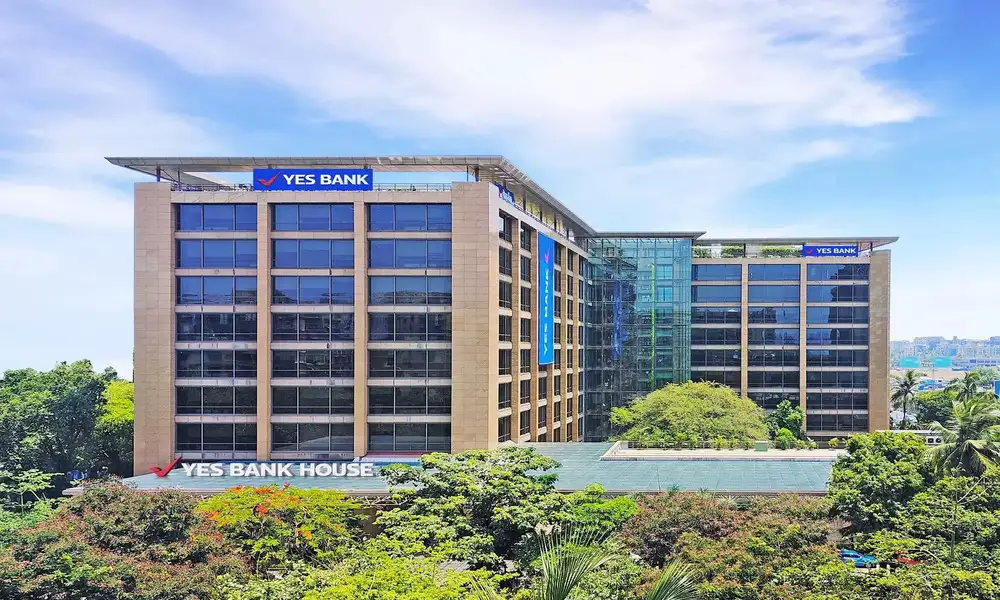
Deal Overview: A Major Vote of Confidence
The original proposal, structured at a 20% stake for $1.6 billion, has been expanded following regulatory consent, allowing SMBC to boost its holding to nearly 25%. This acquisition comes at a time when Indian banks are actively seeking international capital and strategic oversight to bolster governance, risk management, and innovation capacity in a highly competitive environment.
In its notification, the RBI emphasized that SMBC – despite being the single largest outsider shareholder after the transaction’s completion – will not be granted promoter status. This ensures that Yes Bank maintains operational independence and diversified oversight, a critical requirement under current Indian banking regulations to prevent overconcentration of control by foreign entities.
Strategic Implications and Global Context
This transaction marks one of the most significant cross-border M&A (mergers and acquisitions) events in India’s recent financial history. For Japan’s SMBC, the move intensifies its expansion into South and Southeast Asia as its domestic growth slows, echoing initiatives by regional rivals like Mitsubishi UFJ Financial Group and Mizuho Bank.
For Yes Bank, still on the rebound after a high-profile rescue and recapitalization in 2020, the injection of fresh capital and global banking know-how is expected to strengthen its balance sheet, boost credit ratings, and enhance corporate governance. Global rating agencies and industry analysts anticipate that the partnership will catalyze Yes Bank’s growth trajectory and aid its efforts to compete with larger private-sector peers such as HDFC Bank, ICICI Bank, and Axis Bank.
Recent years have witnessed a revival of foreign interest in Indian financial services, spurred by sustained GDP growth (real GDP growth rate estimated at 6.7% for fiscal 2025-26), ongoing financial sector reforms, and rapid adoption of digital banking. According to a June 2025 EY report, inbound foreign direct investment (FDI) in India’s banking and financial services segment has surpassed $10 billion in the trailing 12 months, with Japanese institutions among the key contributors.
About Sumitomo Mitsui Banking Corporation (SMBC)
SMBC is part of the Sumitomo Mitsui Financial Group, which boasts global assets exceeding $2.3 trillion as of June 2025. The group holds top-tier credit ratings (Moody’s: A1, S&P: A) and is rapidly transforming into a diversified Asian financial powerhouse, with strategic investments in Vietnam, Indonesia, and now India.
SMBC’s international track record includes cross-border joint ventures, digital banking platforms, and green finance initiatives. The Indian investment aligns with its recently unveiled 2026 strategy, targeting expansion in emerging Asia and selective inorganic growth to supplement organic market share gains.
Yes Bank’s Position and Recovery Roadmap
Yes Bank’s journey has been closely watched by global observers since its 2020 rescue, where a State Bank of India-led consortium, alongside several public-sector and private-sector lenders, orchestrated a recapitalization plan preventing the bank’s collapse.
As of Q1 FY26, Yes Bank reported a net profit of INR 540 crore ($65 million), up 23% year-on-year, with non-performing assets (NPAs) declining to 2.7% of total advances—reflecting substantial improvement in its risk profile. The bank’s digital payment volumes grew by 31% in FY25, and its customer base exceeded 27 million active accounts.
Yes Bank’s strategic priorities—capital adequacy, asset quality, and diversification—stand to benefit from SMBC’s technical expertise, risk modeling, and global compliance best practices. Additionally, the equity infusion will facilitate new lending, technology investments, and branch expansion, particularly in underserved SME and consumer banking segments.
Key Regulatory Considerations
The RBI’s cautious, but progressive, approach toward foreign ownership underscores India’s dual ambition—welcoming international capital while ensuring systemic stability. By setting a ceiling at 24.99% (below the 26% threshold), the deal remains within the government’s automatic approval route, sidestepping more intensive scrutiny required for majority takeovers. Furthermore, SMBC’s non-promoter status preserves the bank’s Indian identity and protects domestic governance standards.
This regulatory clarity is expected to embolden other global institutions seeking entry or deeper participation in India’s trillion-dollar banking market, enhancing competition, consumer choice, and innovation.
Industry and Market Reactions
Indian stock markets responded positively, with Yes Bank’s shares rising 7% on the day of the announcement, reflecting investor optimism about the bank’s growth prospects and risk profile. Sector analysts note that SMBC’s strategic involvement could set a benchmark for future cross-border collaborations, especially as India’s financial markets integrate further into the global ecosystem.
In Tokyo, SMBC’s share price received a modest uptick as investors viewed the move as a strategic foothold in the world’s most populous country, offering long-term growth, technology collaboration, and operational diversification beyond Japan’s aging market.
Future Outlook: Shaping Indo-Japanese Financial Collaboration
The partnership signals a maturing Indo-Japanese relationship, with both governments promoting economic corridor initiatives, supply chain delinking from China, and expanding bilateral trade (over $22 billion in FY25). Financial integration is seen as a critical pillar in this cooperation, with banking, insurance, and venture investment at the forefront.
Looking ahead, the Yes Bank-SMBC equation is poised to deliver mutual value—SMBC gains a strategic Indian footprint and growth runway, while Yes Bank leverages global capital and expertise to extend its post-crisis turnaround and innovation agenda.
In summary, the RBI’s approval is a landmark in fostering global partnerships within India’s financial sector, supporting resilience, and accelerating transformation amid evolving global economic headwinds and domestic aspirations for a world-class banking ecosystem.


