
Las Vegas Casino CEO Details Changing Dining Habits as Tourism Faces Downturn
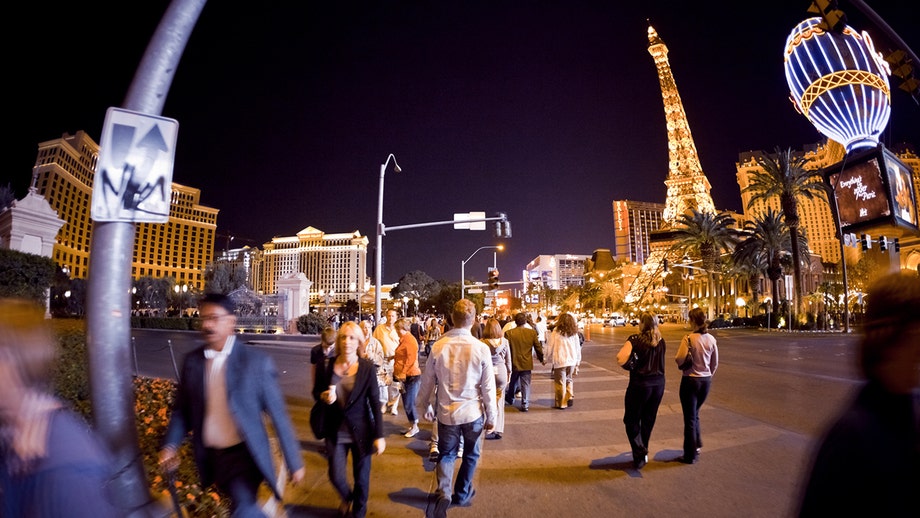
Las Vegas, Nevada — The vibrant city renowned for its glitzy casinos, dazzling lights, and world-class entertainment is now grappling with a pronounced drop in visitor numbers. According to industry leaders, the slowdown is not only reshaping the hospitality landscape, but also prompting casinos and restaurants to reconsider their strategy amid the shifting preferences of a new traveler demographic.
Tourism Numbers Reflect Steep Declines
The Las Vegas Convention and Visitors Authority (LVCVA) recently reported a notable fall in tourist arrivals for 2024, with international visitors—especially from Canada and parts of Europe—showing a sharp decline. Official data shows visitor traffic fell by over 7% year-over-year for the first half of the year, a setback compared to the post-pandemic rebound that had buoyed hopes for a full recovery. In fact, Canadian tourist numbers alone are down more than 20%, attributed in part to international trade tensions and heightened tariffs altering travel decisions.
Casino CEOs Point to Rising Prices and Labor Costs
In interviews and public remarks, casino executives are sounding the alarm over mounting operational costs. “We’re seeing a visitor that’s more discerning about value,” remarked one CEO, referencing elevated hotel rates, dining prices, and show tickets, all pressured upwards by persistent inflation. The negotiation of new union contracts, which brought vital wage increases for staff, has also contributed to cost hikes now being passed on to consumers.
“Inflation, global uncertainty, and higher labor costs are being felt across the Strip—from room rates to restaurant menus,” said Bill Hornbuckle, CEO of MGM Resorts International, in a recent earnings call.
Dining Experiences Shift to Meet New Demands
Perhaps nowhere is the change more apparent than in Vegas’ famed dining scene. Once characterized by opulent buffets and high-priced celebrity chef restaurants, visitor dining habits are now skewing toward more affordable, quick-service, or uniquely experiential options. Casinos are responding with flexible offerings, meal deals, and expanded hours for casual fare. Signature fine-dining, while still in demand, is often reserved for special occasions rather than the nightly splurge it once was.
This evolution reflects not only cost concerns but also generational change. “Younger guests are prioritizing authenticity and value over ostentation,” explained a food and beverage executive at Caesars Entertainment. Restaurants that integrate local or sustainable ingredients, offer chef-driven concepts with social media appeal, or provide innovative fusion cuisine, are thriving even as overall visitor numbers dip.
The Broader Economic Backdrop
The tourism downturn is part of a larger turbulence facing the U.S. travel sector. Nationally, the U.S. Travel Association reports international arrivals have lagged pre-pandemic figures by roughly 13%, and domestic leisure travel’s growth has flattened amid inflation and high interest rates. For Las Vegas, traditionally dependent on conferences and international big spenders, these statistics spell a challenging near-term forecast.
The Search for Solutions: Diversifying Experiences
To adapt, resort operators are investing heavily in new experiences beyond gaming. Recent years saw multimillion-dollar upgrades to concert venues, immersive attractions, wellness spas, and family-friendly entertainment. The trend is intended to broaden Las Vegas’ appeal to a more diverse audience—both demographically and geographically—while reducing reliance on high-rolling gamblers.
At the same time, local and state officials are ramping up marketing efforts in untapped markets, including emerging segments in Asia, Latin America, and domestic U.S. cities within easy flight reach. Partnerships with airlines and influencers, as well as special events and sports tourism (notably, the success of the Las Vegas Golden Knights and Raiders), are all part of this multifaceted strategy.
Pandemic Lessons and Looking Forward
Industry insiders say the current headwinds also supply critical lessons. “Agility and ongoing investment in guest experience are key,” noted Amanda Belarmino, an assistant professor at UNLV’s Harrah College of Hospitality. “The market will reward those who balance value with innovation.” Casinos are increasingly leveraging technology—such as mobile ordering, dynamic room pricing, and loyalty programs—to meet visitors where they are and anticipate changing needs in real time.
What This Means for Travelers
While the Vegas Strip is quieter than during its pre-pandemic highs, visitors can expect shorter wait times, new promotions, and a more personalized, value-driven approach from the city’s storied resorts and eateries. However, experts caution that “Vegas on a budget” doesn’t mean bargain-basement prices—many basic costs remain well above historical averages due to higher operating expenses and continued demand during popular weekends.
For those planning a visit, the key takeaway is to do research, book ahead, and seek out deals or bundled experiences as the industry continues to recalibrate. Popular resources such as LVCVA and independent travel blogs provide up-to-date guidance for making the most of trips in today’s evolving Las Vegas landscape.
Conclusion
Las Vegas remains an icon in the world of tourism, but its future will be shaped by how swiftly and creatively it can adapt to a new era of traveler expectations and economic realities. The Strip’s legendary status endures, yet the pulse of the city is changing, one dining table and show at a time—a testament to its resilience and constant reinvention.


