
US Immigrant Population Declines for First Time in 50 Years Amid Trump Administration Crackdown
Published August 24, 2025
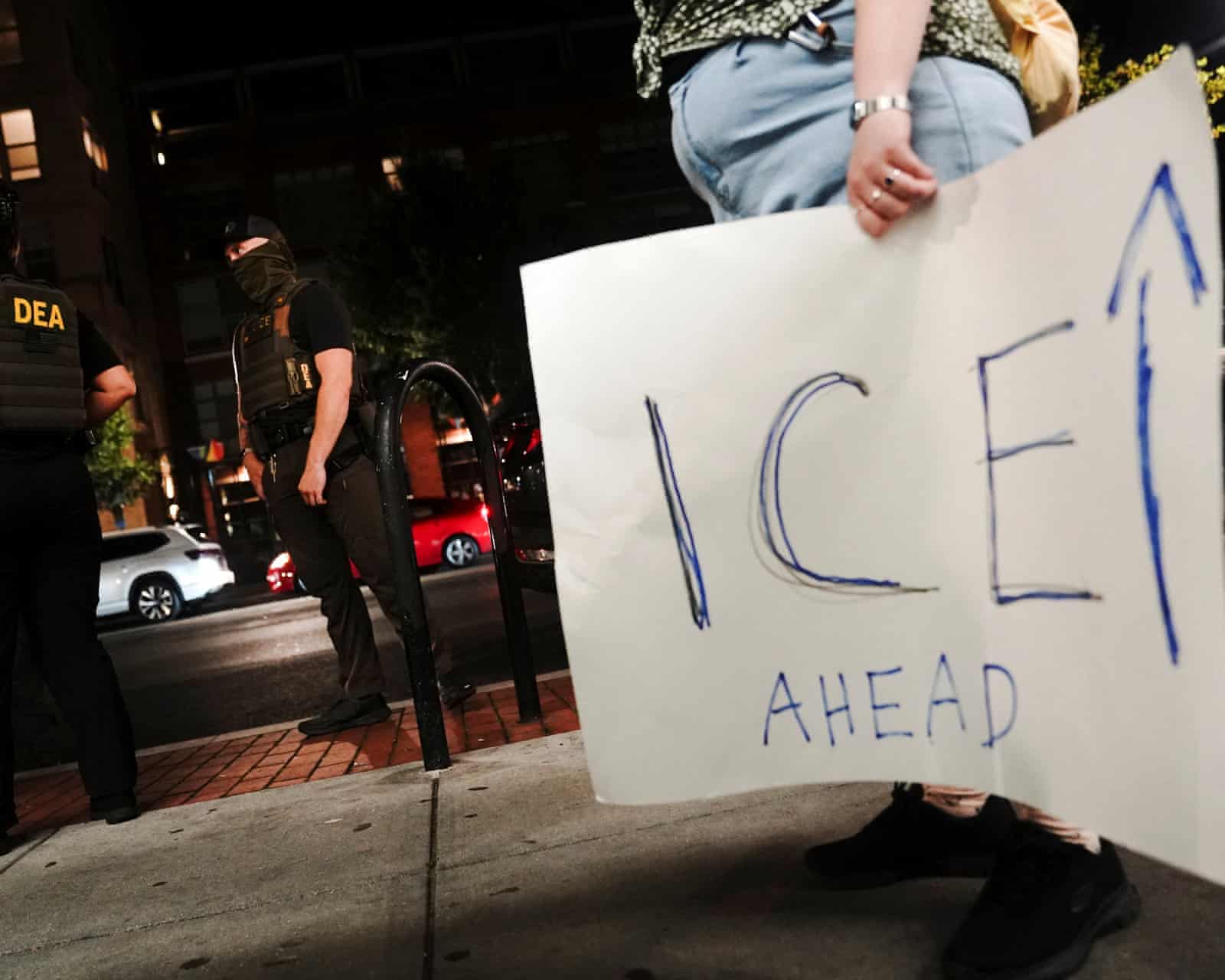
The United States, long recognized as a nation built by immigrants, has witnessed an historic shift. After more than 50 years of sustained growth, the US immigrant population has decreased by over one million people since Donald Trump resumed the presidency in January 2025, according to new data released by the Pew Research Center. The ramifications of this decline are wide-ranging, impacting labor markets, community demographics, and the national political climate.
Sharp Decline in Immigrant Numbers
The Pew Research Center’s analysis shows the total number of immigrants in the US peaked at a record 53.3 million when Trump took office. By June 2025, that figure had dropped to 51.9 million—a decline of more than 2.6%. As a proportion of the total population, immigrants now make up 15.4%, down from the all-time high of 15.8% recorded earlier this year.
The drop reverses a historic trend: Over the previous five decades, the immigrant population grew steadily, fueled by economic opportunity and a complex set of legal and humanitarian migration channels. Researchers and immigration advocates warn that the recent decline could ripple through the economy, as foreign-born workers currently constitute about 19% of the US labor force, a figure down sharply from January.
“This is a sea change for the US,” said Dr. Lila Martinez, a demographer at the University of California. “The last time we saw a comparable decrease was following major legislative changes in the 1920s. The scale and speed are unprecedented in modern US history.”
Policy, Enforcement, and Political Will
Much of this transformation is credited to a sweeping series of policy measures implemented under the Trump administration. According to the Migration Policy Institute, President Trump has executed over 180 executive actions on immigration since returning to office. These range from expanding border wall infrastructure, to tightening visa and asylum restrictions, to launching high-profile mass deportation operations targeting noncitizens and unauthorized residents.
Some of these measures were foreshadowed by his earlier tenure, but since his 2025 inauguration, both the scale and enforcement mechanisms have intensified. The Department of Homeland Security has significantly increased workplace raids, cross-state enforcement, and expedited removal procedures—even as legal battles over due process and civil rights have raged in the courts.
In a related development, the Trump administration moved swiftly this past spring to curtail asylum access at the southern border, building on some Biden-era restrictions but further raising procedural hurdles. The number of approved asylum applications has dropped to record lows, contributing to the overall decrease in new arrivals.
Controversy Over Deportations and Detention Practices
Controversy continues to surround aggressive deportation drives—most notably, the planned deportation of Kilmar Ábrego García, a 30-year-old who has fought a legal battle over government errors and allegations of gang affiliation, which he and his family deny. Federal officials recently announced plans to deport Ábrego to Uganda after a convoluted series of court rulings and administrative mistakes. Immigration rights advocates highlight this case as emblematic of widespread grievances over due process, transparency, and humanitarian concerns.
Meanwhile, Democrats and civil rights groups have vehemently criticized the expansion and management of immigration detention centers, including a new facility at Fort Bliss. Allegations of inadequate oversight and limited access to legal services have prompted calls for congressional investigations and further court intervention. Recent reports document worsening conditions and the psychological toll on detainees detained for extended periods under the new policies.
Courts Push Back on ‘Sanctuary City’ Funding Cuts
Adding to legal headwinds, a federal judge on Friday expanded an injunction halting the administration’s efforts to strip federal funding from 34 municipalities and counties identified as “sanctuary cities.” These jurisdictions limit cooperation with federal immigration authorities as a matter of local policy. The ruling marks a significant check on White House power and signals ongoing judicial skepticism over attempts to override local autonomy.
“The blanket defunding of sanctuary cities would have deprived millions of essential services, undermining public safety and local democracy,” said Judge Erica Sanders, who issued the ruling. The Trump administration is likely to appeal, setting the stage for protracted litigation that could ultimately reach the Supreme Court.
Political Repercussions: Redistricting and Electoral Dynamics
The political repercussions of these demographic shifts and policy changes are already manifesting in state and local power struggles. This week, the Texas Senate approved a controversial redraw of congressional districts that could net Republicans as many as five additional seats in the US House of Representatives. The new map, expected to be swiftly signed into law by Governor Greg Abbott, follows specific requests from President Trump to bolster GOP prospects in the 2026 midterm elections.
Critics argue the redistricting dilutes minority and immigrant voting strength, further marginalizing communities already facing heightened enforcement and legal uncertainty. Texas, home to nearly 5 million immigrants, will likely see a continued impact on turnout and representation if these trends persist.
Higher Education and Labor Market Impacts
Beyond the demographic and political implications, the crackdown has hit higher education and labor markets. Universities across the country report a drop in international student enrollment for the upcoming academic year, citing procedural obstacles, fears of anti-immigrant rhetoric, and overall unpredictability in visa policy. Many campuses are also dealing with budget crises resulting from staff shortages and declining tuition revenues tied to fewer foreign-born students.
Economists warn that the exit of hundreds of thousands of immigrant workers is already creating labor shortages in sectors ranging from agriculture and construction to technology and health care. “A reduction in immigrant labor can dampen economic growth, especially in industries that depend on specialized skills and flexible workforces,” said Nikhil Chandra, an economist at the Brookings Institution. “We risk seeing rising wages, but also higher prices and potential slowdowns in key economic regions.”
International Ramifications and Geopolitical Tensions
The administration’s approach to immigration is also being watched closely by international partners. Trump’s hardline stance has affected cooperation with Latin American governments, who have expressed hesitancy over US deportation practices and refugee management. Additionally, the Pentagon’s recent move to block Ukraine from using US-supplied long-range missiles against targets inside Russia, part of a diplomatic strategy to encourage peace talks with Vladimir Putin, further highlights the interrelated complexity of US domestic and foreign policy under Trump’s renewed leadership.
What Lies Ahead?
As the US heads into a pivotal election year, the long-term consequences of the recent decline in the immigrant population remain to be seen. Political analysts point to heightened polarization, with immigration policy set to dominate the national agenda. While advocates fight in courts and Congress for more humane, evidence-based reforms, the Trump administration appears committed to doubling down on an approach that has already transformed the landscape of American immigration.
For millions of individuals and families, uncertainty prevails amid a shifting legal and political environment. The debate over the future of US immigration is likely to remain at the center of national discourse for years to come.


