
Elon Musk’s xAI Sues Apple and OpenAI Alleging Anti-Competitive Practices in AI Market
Date: July 2024
Background: Lawsuit Highlights Escalating AI Rivalry
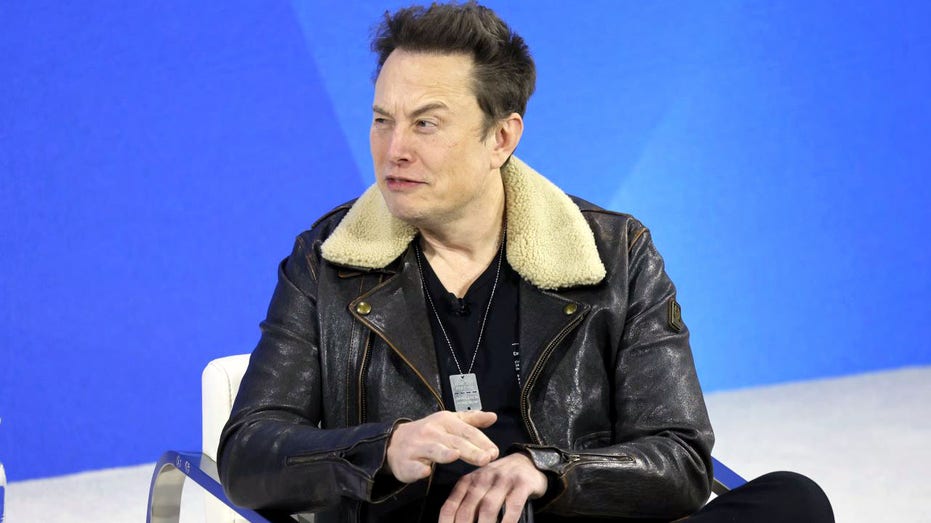
The race for dominance in artificial intelligence has taken a legal turn, as Elon Musk’s startup xAI filed suit against Apple Inc. and OpenAI in federal court in Texas. The complaint, made public in early July 2024, alleges that the two tech giants have engaged in unlawful collusion designed to thwart emerging competitors—including xAI—from gaining a foothold in the lucrative and fast-growing AI market.
The lawsuit accuses Apple and OpenAI of “locking up markets to maintain their monopolies and prevent innovators like X and xAI from competing,” spotlighting the integration of OpenAI’s ChatGPT into Apple’s operating systems for iPhone, iPad, and Mac devices as a central issue.
Strategic Partnerships and Market Consolidation
At the heart of Musk’s suit lie concerns over technology integration and consumer access. In June 2024, Apple unveiled a partnership with OpenAI, making ChatGPT available natively within iOS 18, iPadOS, and macOS Sequoia. This move—announced at Apple’s Worldwide Developers Conference—grants Apple users seamless, opt-in access to ChatGPT’s latest model, GPT-4o, for free, with added features for paid users.
The collaboration marks a significant expansion for OpenAI, whose flagship chatbot, ChatGPT, became the world’s fastest-growing app after its late 2022 release, reportedly reaching over 180 million users by early 2024 and being integrated by businesses across industries. The arrangement, however, drew concern from Musk and other rivals, who argue it could crowd out alternative AI solutions in the App Store and reinforce OpenAI’s position at the expense of competition.
Apple, which has long prided itself on privacy controls, assured users that no information would be shared with OpenAI without permission and that the system built safeguards into how ChatGPT will operate inside Apple’s software ecosystem. Nonetheless, the partnership deepens ties between OpenAI, Apple, and Microsoft (which is OpenAI’s largest investor and cloud partner) and intensifies scrutiny over potential antitrust implications.
Musk’s Criticisms and xAI’s Growth Ambitions
Musk has consistently voiced skepticism toward the direction and governance of OpenAI, a company he co-founded in 2015 but departed from in 2018 following disagreements over Tesla merger proposals and OpenAI’s commercialization strategy. In public statements and on his social media platform X (formerly Twitter), Musk has alleged that OpenAI abandoned its foundational commitment to open-source technology in favor of profit maximization—partly due to its alignment with mega-cap partners like Microsoft and now Apple.
Launched in 2023, xAI is Musk’s answer to what he characterizes as Big Tech dominance in AI. The company’s main product, the Grok chatbot, is designed to rival OpenAI’s GPT series and is already integrated into Tesla vehicles and X’s premium vertical. Musk has argued that Apple’s new partnership with OpenAI will make it “impossible for any AI company besides OpenAI to reach #1 in the App Store.”
Meanwhile, xAI is aggressively fundraising, reportedly seeking to raise billions at valuations upwards of $24 billion as of mid-2024, competing with well-capitalized rivals such as Google DeepMind, Anthropic, and China’s DeepSeek.
OpenAI and Apple’s Response
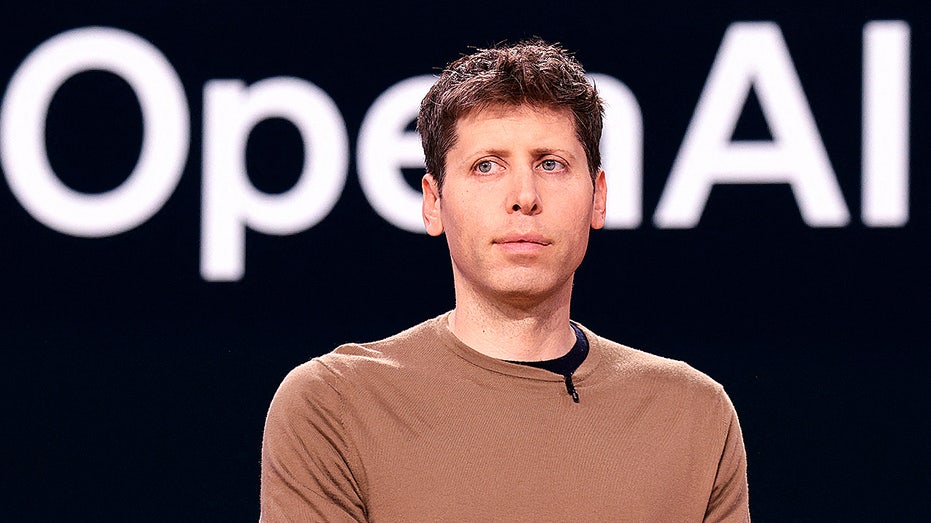
OpenAI CEO Sam Altman has publicly pushed back at Musk’s allegations. In an interview with The Free Press, Altman denounced Musk’s criticisms as self-interested, suggesting that Musk is mainly frustrated at not having personal control over leading AI models. “He wants the most powerful AI in the world to be controlled by him,” Altman said, adding that such public spats were common with Musk’s rivals.
Apple has downplayed concerns about potential monopoly behavior, indicating that ChatGPT’s presence in iOS remains opt-in and that Apple continues to support a diverse portfolio of third-party apps in the App Store, including rival chatbots and AI tools. The company points to its past antitrust skirmishes as evidence of its willingness to update policies in response to regulatory and public pressure, especially in Europe and the United States.
Context: Broader Antitrust Scrutiny in AI
The Musk v. Apple/OpenAI lawsuit comes as regulators in the U.S., European Union, and Asia are sharpening investigations into competition issues in AI. Lawmakers fear that partnerships linking platform giants (like Apple) with emergent AI leaders (like OpenAI—powered by Microsoft’s infrastructure) could stifle innovation, set industry standards in favor of incumbents, and create closed digital ecosystems.
On June 27, 2024, the U.S. Federal Trade Commission (FTC) confirmed new probes into several strategic AI partnerships, following months of warnings about the risks of “vertical integration” in generative AI and foundation models. Both OpenAI’s 2023 multi-billion dollar deal with Microsoft and the Apple-OpenAI tie-up are on antitrust radars. Margrethe Vestager, competition commissioner for the European Union, likewise announced in June that her office is reviewing the structure and implications of key alliances shaping the future of AI.
Across global markets, investments in AI startups have surged; CB Insights estimates venture investment in AI and machine learning companies topped $50 billion in 2023, with the trend accelerating in 2024 despite tighter overall tech funding.
What’s at Stake for Consumers and Developers?
For consumers and developers, the outcome of this high-profile lawsuit could reshape how users access AI and how app marketplaces define “fair competition.” Apple currently counts over 2 million apps on its App Store, but has historically endured criticism for opaque ranking algorithms, high fees, and alleged favoritism of its own or partners’ software in search and recommendation features.
If Musk’s lawsuit prevails—or prompts legislative reform—it could force Apple to further loosen integration policies, curb exclusive AI partnerships, or open its platforms more widely to next-generation chatbots, developer APIs, and alternative AI models.
Outlook: The Battle for AI Supremacy Escalates
With generative AI models reshaping industries from finance and healthcare to entertainment and education, the stakes in the coming legal battle are enormous. Musk, Apple, and OpenAI each have much to gain—but also much to lose—in defining the next era of intelligent digital services.
While litigation may take years to resolve, the immediate result is increased scrutiny of how tech’s biggest players steer the future of AI—and whether consumers will benefit from a truly open, innovative marketplace.


