
Radio Issues Force Newark Airport Flights to Halt, Adding to Aviation Infrastructure Woes
Date: August 28, 2025
By: ABC News
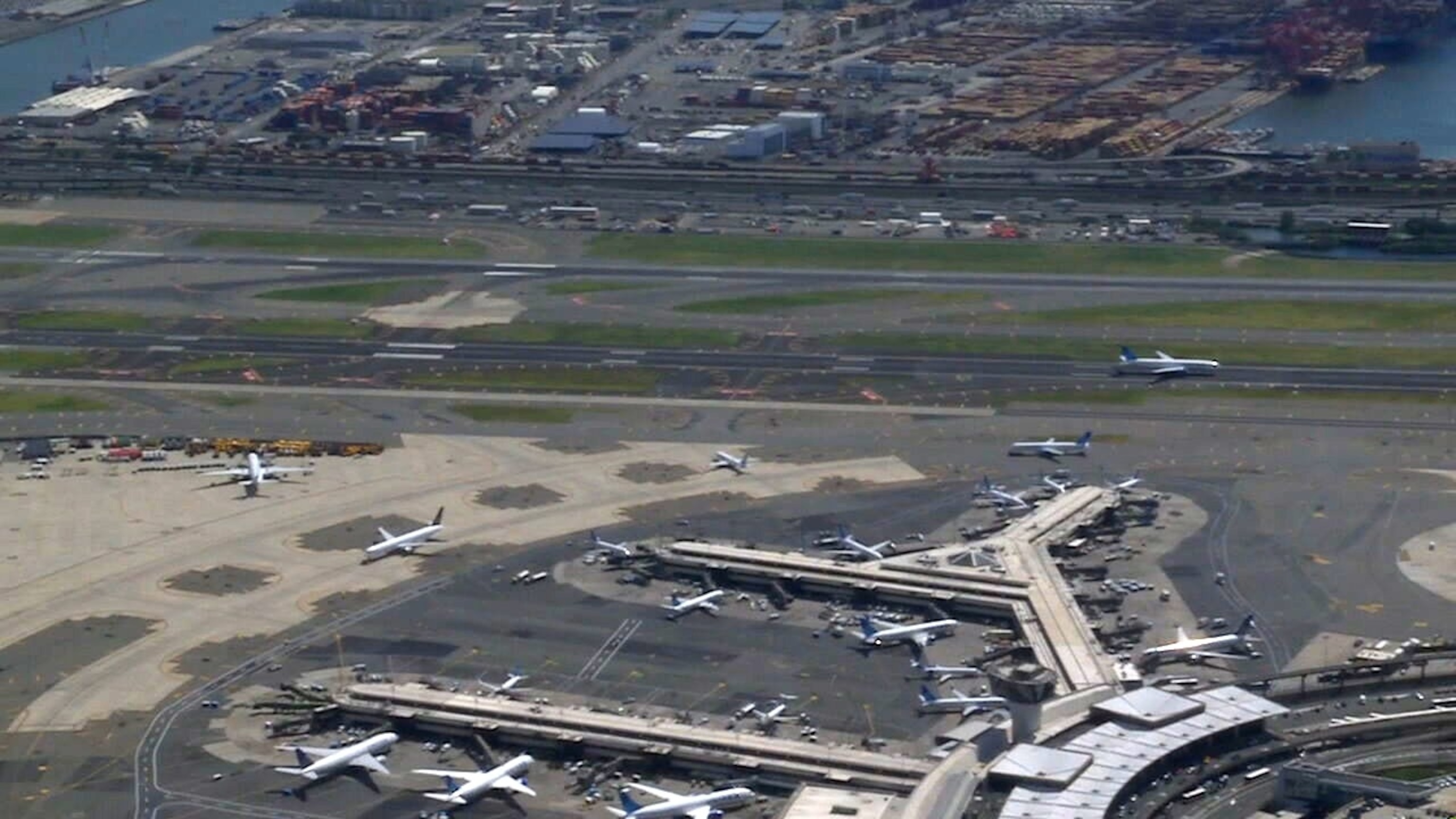
Flights Grounded After Air Traffic Control Loses Communications
Operations ground to an abrupt halt at Newark Liberty International Airport on Thursday after air traffic controllers lost radio communication with inbound aircraft. The Federal Aviation Administration (FAA) issued a temporary ground stop for all incoming flights starting at approximately 11:15 a.m., impacting one of the nation’s busiest transit hubs for more than an hour.
While outbound flights were able to continue during the disruption, the inability for controllers to reliably communicate with incoming flights posed serious safety risks, leading the FAA to suspend inbound operations until the problem could be safely resolved.
Scope of the Disruption and Passenger Impact
According to FAA statements and tracking data, the ground stop lasted just over an hour and was lifted shortly after noon Eastern Time. During that period, dozens of inbound flights were delayed, causing ripple effects for travelers not just in the New York metropolitan area, but across the nation and internationally.
Statistics from FlightAware indicate that by mid-afternoon, more than 220 flights into and out of Newark had experienced significant delays. The Port Authority of New York and New Jersey confirmed the issue was localized specifically to incoming flights, with airport operations resuming normal activity by early afternoon.
Travelers reported extended wait times both on tarmacs and inside terminals, with some international arrivals temporarily held in ‘airborne holding patterns’ or diverted to other northeastern airports, including John F. Kennedy International and Philadelphia International Airport.
Ongoing Infrastructure Strain in U.S. Aviation
This incident is the latest in a series of high-profile disruptions that have beset U.S. airports in recent years, raising concerns about infrastructure reliability and technological resilience. In March 2023, a nationwide FAA communications failure briefly halted flights countrywide. More recently, glitches in airline booking and weight-and-balance systems have grounded thousands of flights across multiple carriers.
Experts point to a patchwork of aging air traffic control (ATC) systems, some dating back to the 1960s, that are increasingly ill-equipped to manage modern aviation traffic volumes. “The U.S. aviation system is under a lot of stress, and technical failures like this can have a cascading impact,” commented Jeffrey Shane, a former U.S. Department of Transportation official and aviation policy expert.
According to the FAA, modernization efforts are underway, including the transition to the NextGen satellite-based navigation system. However, these upgrades are costly, complex, and expected to take years to fully implement—a challenge as air travel demand continues to rebound post-pandemic and is projected to hit record levels this Labor Day weekend according to AAA estimates.
Safety and National Security Concerns
The communications failure at Newark underscores the importance of robust backup systems in aviation infrastructure. “Radio contact is the last line of defense in keeping skies safe. Any lapse can escalate risk exponentially,” said National Air Traffic Controllers Association spokesperson Laura Adams.
The Department of Homeland Security has also flagged air traffic communications as a key vulnerability in national security, especially amid growing concerns about cyberattacks targeting transportation networks. While Thursday’s disruption was attributed to a technical fault rather than a cyber incident, experts warn that without comprehensive upgrades, airports remain susceptible to both accidental and intentional outages.
What Comes Next for Newark and U.S. Air Travel
The FAA states it is actively investigating the root cause of Thursday’s communications loss and reviewing whether additional safeguards are needed at major air traffic control facilities. Newark Liberty International is the 13th busiest U.S. airport, handling an average of 46,000 passengers and over 1,200 aircraft operations daily in 2024, according to the latest Port Authority figures.
Passengers planning future trips should expect renewed emphasis on contingency planning and possible minor schedule changes as airport authorities implement lessons learned. Major U.S. airlines, including United—which operates its busiest East Coast hub at Newark—reassured customers that safety is paramount and that operational teams are ready to respond swiftly to any future disruptions.
Meanwhile, lawmakers in Congress are renewing calls for expedited funding and implementation of the FAA’s NextGen modernization initiative, emphasizing that reliable, modernized ATC infrastructure is vital for keeping the world’s most trafficked airspace safe and efficient.
Travel Tips for Navigating Infrastructure Disruptions
- Check flight status frequently before and during travel via airline apps or the FAA’s Air Traffic Control System Command Center.
- Sign up for flight alerts with your carrier and the airport website.
- Allow extra time for connections, especially through major hubs like Newark.
- Keep travel insurance updated to protect against unexpected delays or cancellations.
As air travel surges toward new records, experts recommend building flexibility into travel plans to accommodate ongoing modernization projects and occasional infrastructure hiccups.


