
Trump Administration Moves to Mandate Voter ID: National and Global Ramifications
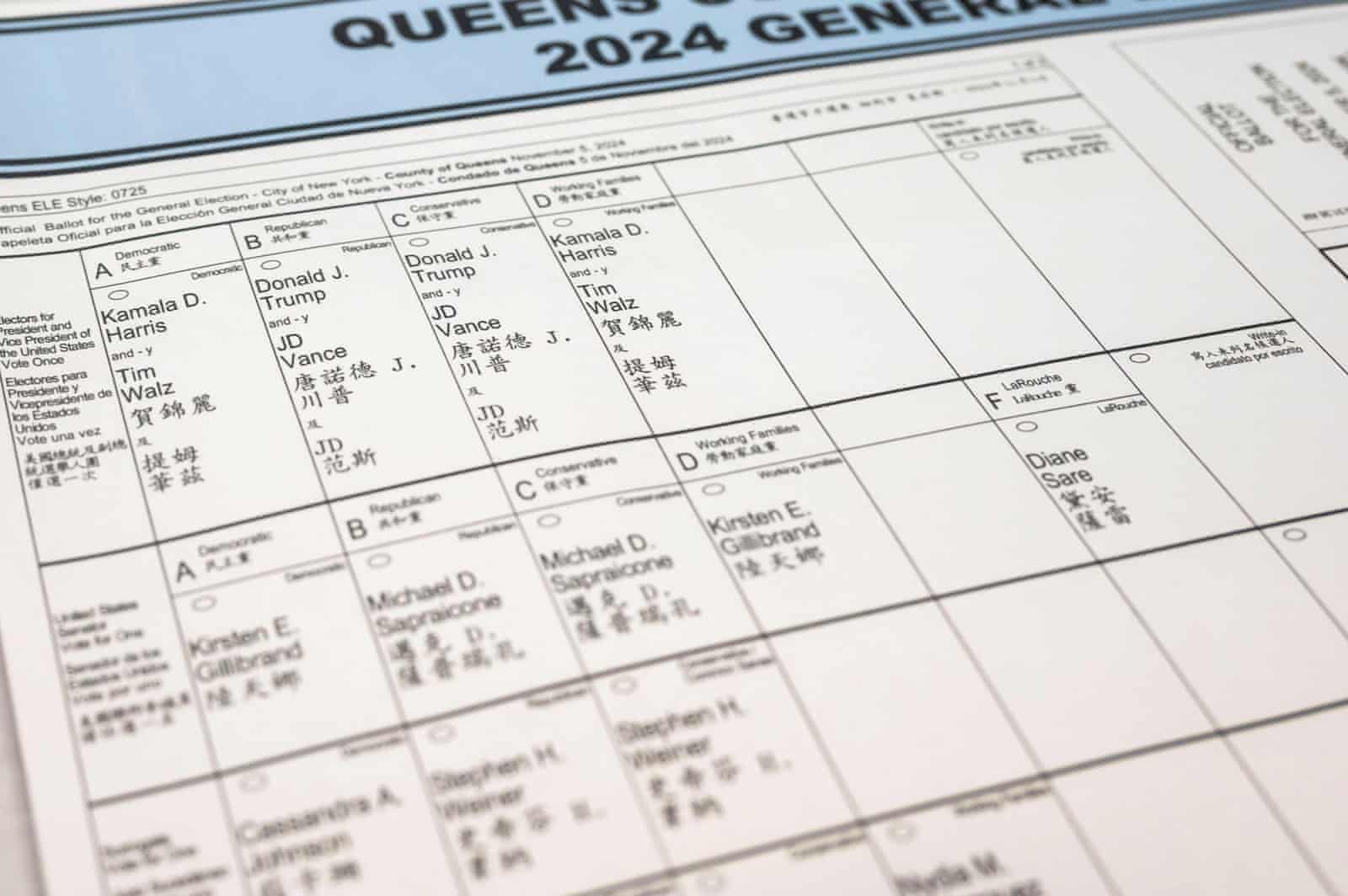
In a high-profile escalation of the US voting access debate, President Donald Trump announced late Saturday his intent to issue an executive order mandating voter identification at all US elections, without exception. “Voter I.D. Must Be Part of Every Single Vote. NO EXCEPTIONS! I Will Be Doing An Executive Order To That End!!!,” Trump declared on his Truth Social platform, sparking immediate reaction from across the political, legal, and civil rights spectrum.
Legal and Political Hurdles
While the announcement energized Trump’s base, the proposal faces sharp constitutional and logistical challenges. Election law experts and advocates were quick to point out the US Constitution delegates primary regulation of elections to individual states, and while Congress can enact certain election laws, the President himself has no explicit authority to dictate election procedures. Legal scholars anticipate rapid court challenges should such an executive order be signed, citing past Supreme Court decisions affirming states’ rights in managing elections and the absence of federal jurisdiction for such sweeping mandates.
Advocacy groups such as the Brennan Center for Justice report that as many as 11% of eligible US voters lack government-issued ID required under strict state laws. The impact is disproportionately felt among minorities, senior citizens, people with disabilities, and low-income groups. Studies by the Center and other organizations consistently find scant evidence of voter fraud—an issue often cited in support of voter ID laws—while raising alarms about the potential for disenfranchisement.
Targeting Mail-In Voting
The President’s statement also calls for the broad restriction of mail-in voting, advocating bans except for deployed military personnel and severely ill individuals. The push follows years of persistent, but widely debunked, claims by Trump and his allies regarding the integrity of absentee voting. However, worldwide research and authoritative US reports have routinely affirmed the security and democratic value of mail-in ballots. At least dozens of developed nations allow mail-in voting, directly contradicting Trump’s assertion that the practice is unique to the United States.
The 2020 US general election, which saw record mail-in participation due to the Covid-19 pandemic, was widely acknowledged by federal and state election officials—including those in the Trump administration—as free of systemic fraud or tampering.
Broader Administration Actions: Immigration and Visa Policy
In parallel, the Trump administration reportedly expanded its crackdown on immigration. According to the New York Times and corroborated by government statements, the US recently suspended nearly all visa approvals for Palestinian passport holders, extending restrictions previously limited to Gaza residents. The move, made amid ongoing unrest in the Middle East, has drawn criticism from human rights observers and international agencies, who warn the policy could further isolate Palestinian academics, students, and families seeking refuge or education abroad.
Closer to home, Illinois Governor JB Pritzker decried the Trump administration’s planned immigration raids and the rumored deployment of federal forces to Chicago. On CBS’s Sunday show, Pritzker called for “all to stand up” against policies that, in his view, infringe on constitutional rights and undermine community trust in law enforcement. “Any kind of troops on the streets of an American city don’t belong unless there is an insurrection,” he said, alluding to legal safeguards protecting states’ sovereignty.
Latest Legal Challenges
In related developments, a federal judge issued an emergency injunction halting the deportation of nearly 700 unaccompanied Guatemalan children, a plan critics labeled “illegal.” The court ordered the children be returned to federal care, reaffirming strict legal standards for the treatment of minors in US custody. The ruling comes amid a backdrop of intensified immigration enforcement and widespread advocacy for immigrant and child rights.
Public Health and Policy Debate
The administration’s approach to science and public health also continues to spark controversy. The FDA’s top vaccine official, under the Trump administration, was implicated in a dispute over YouTube videos critiquing the handling of Covid-19 vaccine information, underscoring ongoing struggles over medical misinformation and federal communication strategy. Meanwhile, Demetre Daskalakis, former CDC immunizations director, voiced grave concern about potential “harm” under newly appointed Health Secretary Robert F Kennedy Jr, signaling broader worries about the future of vaccination policy and American public health infrastructure.
National Ramifications and Global Response
Trump’s executive order proposal on voter ID and freeze on mail-in ballots arrive as states prepare for contentious 2026 midterms and as global audiences assess US commitments to democratic norms. Civil rights leaders, international observers, and legal experts maintain that robust, inclusive voting access is a pillar of enduring democracy. The administration’s efforts are raising pointed questions about civil liberties, minority rights, and international perceptions of American governance.
The evolving policy landscape is compounded by recent events, such as Rudy Giuliani’s hospitalization after a car crash, national water contamination warnings during Labor Day weekend, and ongoing conflict in global hotspots—all testing the resilience of domestic governance and the US image abroad.
Looking Ahead
As political actors mobilize for and against the proposed executive order and related measures, the United States faces critical junctures on voting rights, immigration policy, and public health responsibility. Constitutional tests, legal battles, and the verdicts of midterm voters will shape the future—not merely of election administration, but of the foundational principles of participation, representation, and justice in America’s democracy.


