
Peter Navarro Rebukes Court Ruling Against Trump Tariffs as Battle Heads to Supreme Court
Published: June 2025 | Original Source
A Partisan Court Showdown on Trade
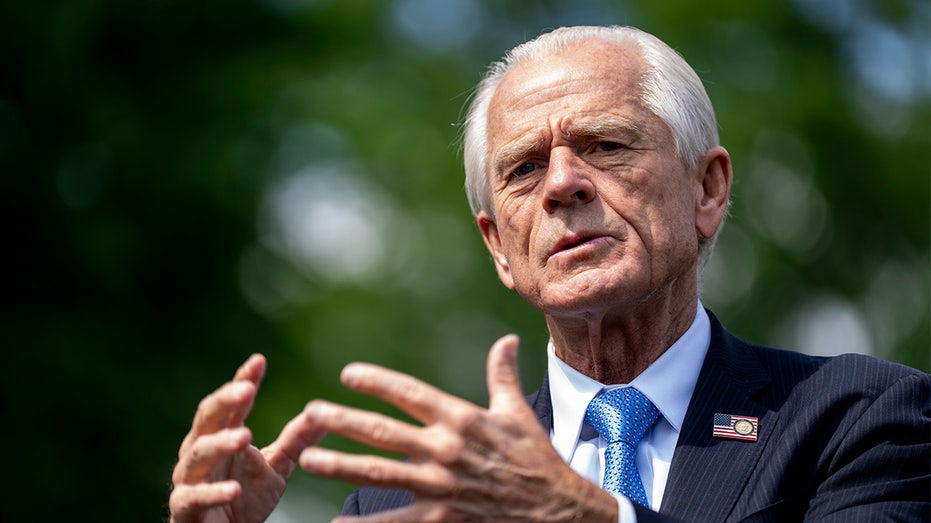
On Sunday, White House senior counselor for trade and manufacturing Peter Navarro condemned a recent federal appeals court ruling that limited former President Donald Trump’s ability to use emergency powers to impose tariffs on imported goods. Navarro labeled the decision “weaponized partisan injustice at its worst,” highlighting the political leanings of the majority in the 7-4 decision and asserting that Democratic-appointed judges and blue states played an outsized role.
The ruling, which keeps the tariffs in place until at least October 14—pending an expected appeal to the U.S. Supreme Court—poses significant consequences for Washington’s power to manage trade policy during periods of mounting economic and national security concerns.
Background: Trump’s Tariff Policy and Legal Battles
President Trump’s trade agenda has been defined by a combative stance toward what his administration called unfair trade practices by countries like China. In 2018, the U.S. levied broad tariffs on hundreds of billions of dollars in Chinese goods, triggering a trade war that led to retaliatory measures from Beijing.
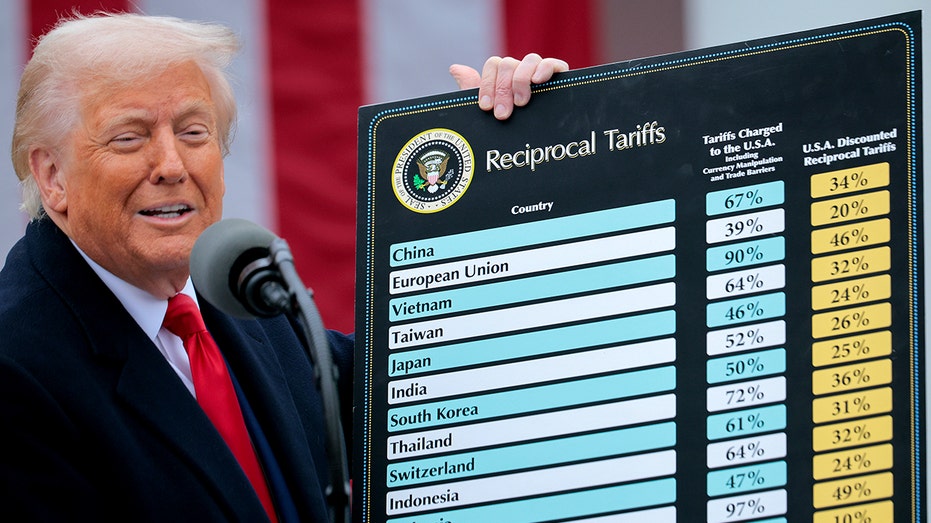
The legal fight in question centers on the Trump administration’s use of the International Emergency Economic Powers Act (IEEPA), a 1977 law intended to give presidents authority during extraordinary threats to the United States. Trump invoked the law to justify further tariffs as part of his efforts to reduce the U.S. trade deficit, address concerns about intellectual property theft, and combat the flow of fentanyl into the U.S.—charges his administration frequently leveled against China.
However, importers and trade groups challenged the legality of this use of IEEPA, arguing that this was a misuse of emergency powers designed for military or security threats, not trade policy. The controversy escalated as a coalition of 12 Democratic-led states weighed in against the administration, amplifying the political stakes.
The Court Ruling: A Deep Division
The federal appeals court’s 7-4 decision reflected sharply divided opinions on executive authority and trade. While affirming that Trump’s tariffs could remain in place temporarily, the majority rejected the administration’s interpretation of IEEPA, questioning whether the circumstances genuinely constituted a national emergency and whether such economic instruments were meant to be used in this manner. Supporters of the tariffs, like Navarro, insist the measures are warranted, pointing to skyrocketing fentanyl overdoses and a persistent U.S.-China trade deficit as clear threats to American public health and economic stability.
Navarro called attention to what he dubbed “a very strong dissent,” which he believes outlines arguments that will be central to a Supreme Court review: whether an emergency truly existed, the legal boundaries of import regulation, and whether the administration’s use of tariffs was permanent or situational. “If we lose the case, President Trump is right, it will be the end of the United States,” Navarro warned, dramatizing the case’s stakes for American industry and sovereignty.
Economic Impacts: Tariffs and the Retail Sector
Despite concerns over the legal uncertainty of tariffs, the broader U.S. economy remains resilient. According to Storch Advisors CEO Gerald Storch, major retailers like Walmart have reported robust earnings, demonstrating strength even as others like Target face operational headwinds. “Tariff fears don’t impact retail numbers,” Storch argued, pointing instead to execution, market demand, and internal management challenges as the primary factors affecting retailers’ performance.
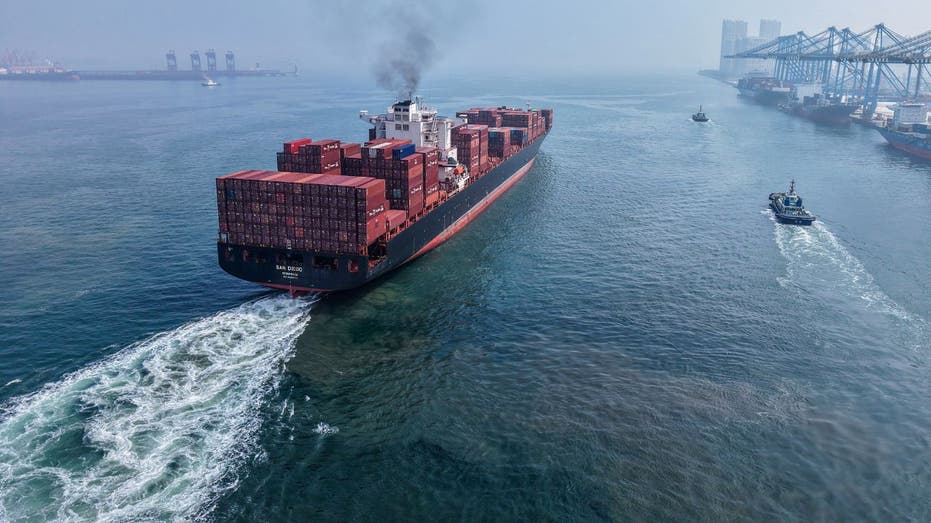
Nevertheless, the ongoing trade tensions have reshaped global commerce. Data from the U.S. Census Bureau show that the U.S.-China trade deficit remains above $300 billion annually as of 2024, although it has narrowed marginally compared to pre-tariff levels. Industries dependent on international supply chains have pressed for predictability, warning that continued volatility from legal rulings and trade wars risks hampering long-term investment and job creation.
The Road to the Supreme Court
The Supreme Court is now poised to play a pivotal role in determining whether future presidents will enjoy broad leeway to use emergency statutes to shape trade policy, or whether that power will be more rigorously checked by the courts. Historically, the judiciary has granted presidents significant latitude in foreign affairs, as seen when Richard Nixon imposed tariffs during the economic crisis of 1971. However, critics warn that broad interpretations of emergency powers risk setting dangerous precedents for executive overreach.
For global markets, the outcome will dictate not just tariff policy, but the very stability of international trade agreements. A Supreme Court decision in favor of the administration could legitimize tough measures against perceived economic adversaries. A ruling against could constrain U.S. negotiating power and encourage export-driven economies to resist American pressure.
What’s Next for U.S. Trade Policy?
As the legal battle intensifies, stakeholders across manufacturing, technology, agriculture, and retail are watching closely. With U.S.-China relations still tense—characterized by disputes over technology, intellectual property, and geopolitical strategy—tariffs remain a flashpoint likely to impact global supply chains and consumer prices for years to come.
The Supreme Court’s eventual decision will not only shape the legacy of Trump-era trade policy, but also set the boundaries of emergency presidential authority. Until a final ruling is rendered, the future of America’s trade strategy—and its competitiveness in the global economy—hangs in the balance.


