
Foreign Tourism to the US Remains Subdued as Industry Faces Prolonged Recovery
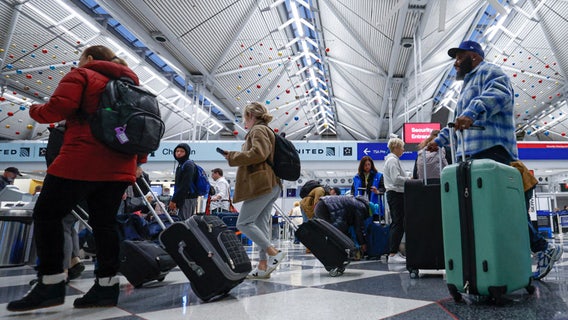
A Fragile Summer for US Inbound Travel
Foreign tourism volumes to the United States are still falling short of pre-pandemic levels, according to the latest travel industry data. Despite relaxed border restrictions and a robust summer travel season domestically, international arrivals continued to remain “significantly down” throughout the summer of 2025, impacting major cities as well as hospitality, retail, and entertainment businesses that depend heavily on overseas visitors.
The trend has persisted for several years following the global COVID-19 pandemic. In 2019, the US welcomed roughly 79 million international tourists, according to the National Travel and Tourism Office (NTTO). However, after plummeting in 2020 and 2021, the recovery has been sluggish. By 2024, inbound travel numbers were still 20% below 2019’s record highs, and preliminary figures for 2025 suggest only marginal improvement, with traffic through major airports down 16-18% from pre-pandemic levels.
Key Factors Slowing Recovery
Travel industry experts cite several persistent headwinds for the slow rebound:
- Strong US Dollar: The dollar’s continued strength against other major currencies makes American destinations less affordable for international visitors, especially those from Europe, Canada, and Latin America.
- Visa Processing Backlogs: US embassies and consulates worldwide are still struggling with significant visa application backlogs—many first-time visitor visa appointments are delayed by six months to a year in key source markets such as India, Brazil, and China.
- Economic and Geopolitical Uncertainty: Ongoing geopolitical tensions—including the conflict in Ukraine, US-China diplomatic strains, and inflationary pressures in many countries—are dampening outbound travel appetite.
- Competition from Other Destinations: Europe, Asia, and other regions have ramped up their tourism appeals, often offering more attractive or streamlined entry requirements, further diverting potential travelers from choosing the US.
Economic Impact Across the US
The absence of international travelers is keenly felt at US gateways such as New York City, Los Angeles, Miami, Orlando, and Las Vegas. These cities rely heavily on foreign tourism spending—not just on hotels and attractions, but also in luxury retail and fine dining that cater to international tastes. According to the US Travel Association, international travelers typically spend four times more than domestic travelers during their stays.
Recent hotel occupancy data from STR indicates that international-heavy markets like Honolulu, San Francisco, and New York are trailing domestic destinations in terms of revenue per available room (RevPAR). Meanwhile, attractions such as Disney World, Universal Studios, and major Broadway productions report attendance levels that, while strong among Americans, still lag their normal levels due to fewer foreign guests.
According to Oxford Economics, the US economy will lose an estimated $48 billion in direct spending from foreign visitors in 2025 compared to 2019—representing thousands of jobs and billions in local tax revenue left unrealized.
Industry Response and Future Outlook
The Biden administration and tourism authorities have made efforts to accelerate the recovery, launching targeted campaigns to attract visitors from major markets, investing in airport infrastructure, and pledging additional resources to clear visa backlogs. New measures include streamlined online forms, more interview waivers for repeat travelers, and expanded consular staffing in high-demand regions.
Still, leaders at organizations such as Brand USA and the U.S. Travel Association caution that recovery is not expected until 2026 or later, barring an unexpected easing of exchange rates and further streamlining of travel processes. “The US remains a bucket-list destination for much of the world, but affordability and access challenges have to be addressed before we see a full rebound,” said Geoff Freeman, CEO of the U.S. Travel Association, in a recent statement.
Tour operators echo these sentiments. “Interest in American travel is strong—our web traffic and inquiries are at all-time highs—but materializing those into bookings is tougher than it used to be,” said Rosa Martinez, director of inbound travel at a leading European tour operator. “Many families are postponing travel until the dollar softens or until they can get a visa appointment in a reasonable timeframe.”
Looking Ahead: What Will Drive a Turnaround?
Travel insiders believe the long-term outlook remains positive for the US market, provided key hurdles are resolved. The resumption of group travel from China—one of the US’s largest source markets pre-pandemic—will be a key milestone, as will the easing of currency headwinds for Canadian and European travelers. Industry stakeholders also point to the importance of enhancing the on-arrival experience through efficient customs and security, and promoting lesser-known destinations to distribute tourism benefits more evenly.
In the meantime, businesses are adjusting strategies: focusing advertising efforts on US-based and nearby Canadian and Mexican travelers, developing digital marketing in new source markets, and rolling out more budget-friendly or immersive travel experiences to appeal to cost-conscious international audiences.
While 2025 may be another subdued year for US inbound tourism, there is cautious optimism that a return to robust international visitation will emerge before the decade’s end—reinvigorating cities, supporting jobs, and reaffirming the country’s place as a global travel hub.


