
Trump Appeals to US Supreme Court to Reinstate Sweeping Tariffs After Federal Rebuke
By News Desk — September 4, 2025
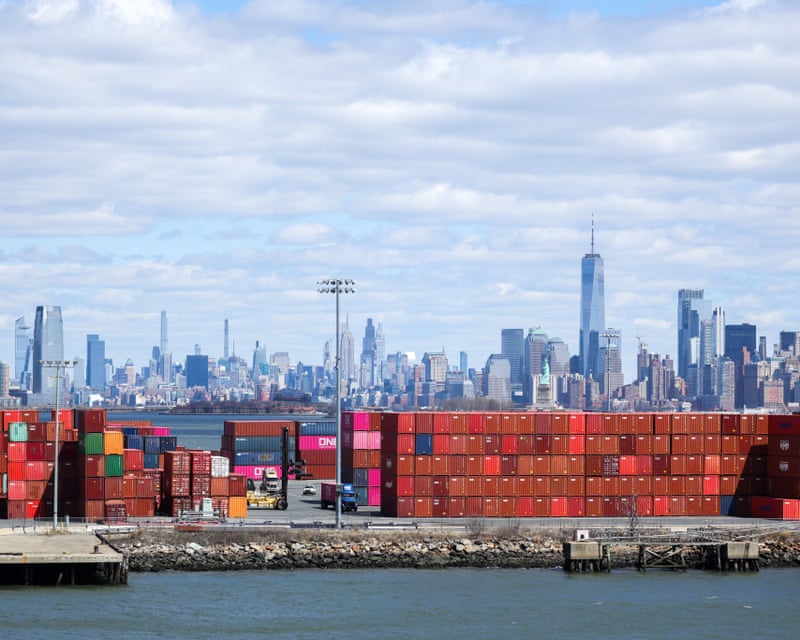
On September 4, 2025, former President Donald Trump formally requested the US Supreme Court review and potentially overturn a federal appeals court decision that declared his unprecedented “liberation day” tariffs illegal. The challenge comes after years of turbulent trade policy that reshaped global commerce and sharply divided economic opinion in the United States and abroad.
The Legal Challenge: Presidential Power and Tariffs
The controversy centers on tariffs Trump imposed on April 2, 2025, which broadly targeted a wide spectrum of imported goods with levies ranging from 10% to 50%. These sweeping measures, presented as part of a new “reciprocal” approach to trade, triggered significant fluctuations on global markets and elicited swift rebukes from international trading partners.
The US Court of Appeals for the District of Columbia Circuit ruled 7-4 that Trump had exceeded the powers granted to the President under the International Emergency Economic Powers Act (IEEPA), a 1977 law intended to address acute national emergencies. The court found that, while the IEEPA confers broad authority during crises, it does not explicitly allow for the imposition of tariffs or similar trade restrictions without Congressional approval. The majority opinion noted the tariffs were “unbounded in scope, amount and duration,” highlighting concerns about executive overreach.
Supreme Court Appeal: Expedited Process Requested
In response, the Trump legal team argued that the ruling, if upheld, “would literally destroy the United States of America,” according to a statement the former president posted on Truth Social. The administration has asked the Supreme Court for an accelerated schedule, requesting arguments by November 10 and a decision by year-end, citing significant risks to American economic and regulatory structures.
The outcome of the appeal—not yet guaranteed as the justices must decide to hear the case—could have immediate and far-reaching consequences. The federal appeals court has left the tariffs in place until October 14, 2025, providing a critical window for Supreme Court intervention. Should the highest court decline to reverse the lower court’s decision, the US would be required to swiftly roll back tariffs.
Economic Stakes and Global Reaction
Data from Bloomberg Economics indicates that the average effective US tariff rate currently sits at 16.3%, a dramatic increase from around 2% before Trump’s first tenure. Analysts estimate that a defeat for the tariffs would cut that rate by more than half and potentially oblige the US Treasury to refund tens of billions of dollars to affected importers and foreign governments. The resulting fiscal and legal ramifications could further destabilize ongoing trade negotiations, including preliminary deals with the UK and European Union.
The World Trade Organization and many major economies, from the European Union to India and China, have condemned the measures, arguing that they violate international obligations and spur tit-for-tat retaliatory tariffs. Over 60 countries have taken steps to counter or challenge the levies, with diplomatic relations and supply chains strained as a result.
Impact on US and Global Businesses
American corporations are confronting significant fallout. Levi Strauss, the iconic US clothing brand, warned earlier this week that “rising anti-Americanism as a consequence of the Trump tariffs and governmental policies” threatens its sales in the UK and across Europe. Tesla, the world’s most valuable automaker, has reported decreased demand in continental markets, while food-and-drink brands such as Jack Daniel’s have seen export volumes slump in response to consumer boycotts and protest campaigns overseas.
At home, groups such as the National Association of Manufacturers and US Chamber of Commerce are lobbying for urgent clarity, pointing to price spikes for raw materials and consumer goods. Data compiled by the US Census Bureau shows that US import volumes fell by over 12% in the second quarter of 2025 compared to the previous year, reflecting the adverse effects of heightened trade costs and protracted uncertainty.
Critics, including leading economists and former trade officials, warn that the tariffs have contributed to higher inflation, disrupted critical input supplies for US industries, and undermined the nation’s reputation as a reliable trading partner. Conversely, supporters argue the policies have protected American jobs in manufacturing and helped reduce chronic trade deficits, emphasizing the importance of retaliation against alleged unfair practices by key rivals such as China.
Congressional Role and Presidential Authority
One central legal issue is the balance of power between Congress and the presidency. The US Constitution vests Congress with primary authority over tariffs and taxation, but the executive has often leveraged emergency statutes, such as the IEEPA, to act decisively during periods of perceived national peril. Trump’s interpretation—using emergency authority to overhaul the US trading system on a massive scale—has faced bipartisan skepticism in Washington, with a growing number of lawmakers calling for legislative reforms that restore Congressional checks and oversight to trade policy.
Broader Political and Economic Implications
The Supreme Court’s decision, expected by late 2025 if the case is accepted for review, holds seismic implications. The case will help define the boundaries of American executive power in economic affairs, with ramifications likely to reverberate for decades. Businesses, trading partners and political leaders across the globe are awaiting clarity, as the outcome may set precedent for future trade interventions, emergency declarations, and the evolution of the global trading order.
In the interim, the Biden administration—now overseeing execution of policies and addressing the appeals process—has signaled reluctance to unilaterally unwind tariffs without a clear Supreme Court mandate, wary of diplomatic blowback and further legal entanglements.
What Comes Next?
The Supreme Court must first decide whether to grant certiorari and hear the government’s case. Should the justices agree, oral arguments and a final ruling could come before the end of 2025. All eyes now turn to Washington, where the fate of American trade policy and the scope of presidential economic power hang in the balance, with consequences for consumers, industries, and international stability alike.


