
European Travellers Will Soon Have to Pay More to Visit the US
By Euronews Travel | 5 September 2025
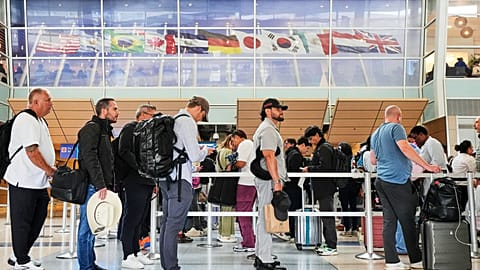
Starting September 30, 2025, European citizens planning to visit the United States under the Visa Waiver Program (VWP) will face nearly double the current application fee for an ESTA (Electronic System for Travel Authorization). The cost will rise from $21 (about €18) to $40 (about €34) per person, marking the most significant fee increase since ESTA’s inception in 2009.
This move comes amid growing scrutiny of international travel fees across the globe, and will impact millions of tourists visiting the US each year from Europe’s 40+ participating nations, including the UK, Germany, France, Spain, and Italy.
What Is ESTA and Why the Fee Hike?
ESTA is an automated system that determines eligibility for visitors to travel to the United States without a traditional visa for up to 90 days for tourism, business, or transit. Since its launch, the Electronic System for Travel Authorization has been a cornerstone of streamlined transatlantic travel, simplifying the border process for millions of travelers annually.
According to the US Customs and Border Protection, the new fee structure is designed to help cover increased security screening requirements, technology upgrades, and tourism promotion efforts funded by the fee. The last increase, from $14 to $21, occurred in 2022.
The US Department of Homeland Security (DHS) says the additional revenue will be divided between elevating security protocols and funding Brand USA, the nation’s official destination marketing organization—though the steepness of the increase has prompted concern from the European travel sector and policy advocates.
Industry Reaction and Travellers’ Concerns
The nearly 100% hike has been met with frustration from European tourism groups and international business groups, who warn that it could deter travel to the US at a time when inbound visitor numbers are already struggling to recover fully from the pandemic. According to data from the US National Travel and Tourism Office, European arrivals in 2024 remained about 12% below 2019 levels, despite strong summer demand.
“This fee increase is another barrier in a difficult climate, especially for families or business travelers visiting multiple times a year,” says Julia Simpson, President and CEO of the World Travel & Tourism Council. “When combined with rising airfares and accommodation costs, it risks making the US less competitive as a global destination.”
Several European governments have urged Washington to reconsider, citing reciprocity concerns. The European Commission has said it will review the situation, particularly as the EU’s own ETIAS visa-waiver scheme is rolling out in 2025—at a cost of €7 for non-EU visitors.
How Does the Fee Compare Globally?
The revised ESTA fee will make visiting the United States considerably more expensive than many other top travel destinations. For instance, the planned European ETIAS system (starting 2025) costs €7 and remains valid for three years. Canada’s eTA application is CA$7 (about €5), while Australia’s ETA is AU$20 (about €12.50).
In stark contrast, the new ESTA will cost €34 for each application and will last two years—making repeat travel pricier for frequent European visitors.
This comes at a time when global tourism recovery is uneven and many governments are under pressure to boost revenue from tourism while grappling with increased security and border management costs.
What Should Travellers Do?
European travellers with trips planned to the US for late 2025 or 2026 are advised to apply for an ESTA before the September 30 deadline, when the lower fee is still in effect. The ESTA application can be completed online and is mandatory for all ages. An ESTA remains valid for up to two years or until a passport expires, whichever is sooner.
If you plan multiple trips, an ESTA acquired before the new fees will not incur the increased charge during its validity period. However, renewed applications after the deadline will face the higher $40 fee.
Travelers should ensure they use the official US government ESTA site (esta.cbp.dhs.gov), as third-party providers often charge additional service fees.
Broader Travel Cost Trends
The ESTA fee surge comes in the context of mounting overall travel costs. According to US Travel Association research, the average daily spend for international tourists in the US reached $250 per person in 2024—up nearly 12% from 2023 due to inflation, higher hotel rates, and elevated airfares. Domestic price hikes, combined with more expensive documentation, are leading some analysts to predict a further flattening or even decline in European visitor numbers in 2026.
In response, US tourism officials are increasing marketing campaigns and exploring ways to streamline entry processes, in hopes of offsetting the impact of higher costs. Meanwhile, some travel consultants suggest European families and groups may pivot to alternative long-haul destinations with less stringent or less expensive entry requirements.
Looking Ahead
As international travel resumes its pre-pandemic volume, rising fees are likely to be a recurring discussion point globally. With ETIAS fees due to launch in Europe and other destinations adjusting their charges, travellers are urged to closely check entry rules and costs before booking major trips in 2025 and beyond.
The US State Department and travel industry will monitor the situation, as sustained declines in visitor numbers could prompt a policy review. For now, however, Americans can expect the ESTA fee increase to remain in effect starting this autumn—making early applications more attractive for Europeans eyeing a Stateside journey.


