
Why Tesla Just Threw $1 Trillion at Elon Musk
Published: September 7, 2025 | By Chris Isidore
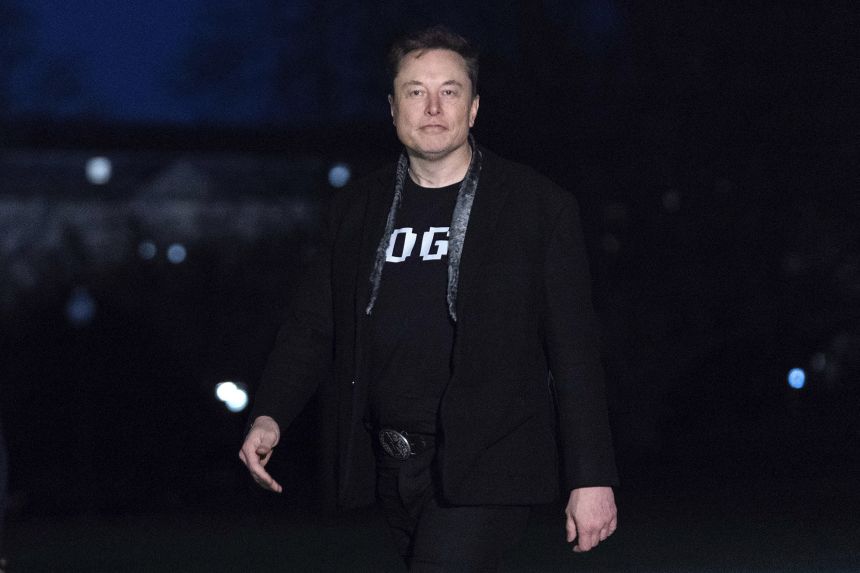
In an unprecedented move that reflects both the ambition and the risk appetite of America’s corporate elite, Tesla’s board of directors has proposed a groundbreaking compensation package for CEO Elon Musk. The plan, valued at a potential $1 trillion, is the largest executive award in history and signals the automaker’s intention to secure Musk’s leadership amid rapid advances in technology and mounting competition in electric vehicles (EVs) and artificial intelligence (AI).
Tesla’s Historic Bet: Incentives Tied to Unprecedented Growth
Tesla’s newly proposed compensation package could award Musk up to 423.7 million additional shares over the next decade. At Tesla’s closing price on Friday, those shares would currently be worth a staggering $148.7 billion. But the real headline comes from future projections: Musk only receives the full share grant if Tesla’s market capitalization surges to $8.5 trillion—nearly eight times its current size and double the value any company has ever achieved.
As of early September 2025, Tesla’s valuation stands at approximately $1.1 trillion. For context, Apple and Microsoft recently reached the $4 trillion mark, while global automotive giants like Toyota and Volkswagen each hover below $250 billion in market cap. Tesla’s board believes that bold technological bets—especially in AI, robotaxis, and full self-driving systems—could propel the company into uncharted territory, making such a target, while audacious, at least theoretically attainable.
Musk’s Leverage: Control and Attention
The pay proposal’s structure is not just an exercise in largesse; it represents a calculated response to the unique dynamic between Musk and Tesla. The CEO’s vast influence has long been seen as indispensable—but not unconditionally available. In its filing, the board acknowledged Musk’s hints that, without “assurances” like this pay deal, he could shift his focus elsewhere—potentially deepening his involvement with his private space company SpaceX, Starlink’s expanding satellite internet business, his AI venture xAI, or his controversial stewardship of the social media platform X (formerly Twitter).
Indeed, Musk, who currently holds about a 13% stake in Tesla, has repeatedly asserted his need for greater control. In January 2024, he posted that he required at least 25% voting control to confidently lead Tesla into emerging fields like AI and robotics. Without this, he hinted he might pursue such ambitions outside the automaker’s umbrella—an implicit threat that has clearly shaped boardroom strategy.
“I am uncomfortable growing Tesla to be a leader in AI & robotics without having ~25% voting control. Enough to be influential, but not so much that I can’t be overturned.”
The Stakes: Bold Promises, Shareholder Calculation
The Tesla board’s calculus is clear: tie Musk’s rewards to almost unimaginable company performance, ensuring no payout unless shareholders themselves profit immensely. The first major threshold sets Tesla’s value at $2 trillion, nearly doubling its present figure just to unlock any portion of the pay. The package’s audacity is matched by the board’s apparent recognition that no other executive exerts a comparable gravitational pull on both the company’s fortunes and investor sentiment.
Gene Munster, managing partner at Deepwater Asset Management, summarized the board’s approach: “The simple message is: ‘We want your attention on Tesla.’” This is not mere flattery; Musk’s multiple ventures, and flirtations with politics—including speculation about a new third party—have sometimes prompted concern among Tesla investors and the board about his focus and long-term commitment.
A Marketplace of Innovation—and Hype
Musk’s leadership has consistently excited markets, but critics argue that it often relies on aggressive promises rather than imminent results. Since 2014, Musk has promised that fully autonomous Tesla vehicles were just around the corner. While the company has made significant progress—its Full Self-Driving (FSD) Beta is now in use by over one million drivers globally, and limited robotaxi trials have begun—truly autonomous vehicles have yet to reach mainstream deployment. Nonetheless, markets have historically priced in these future breakthroughs, driving Tesla’s stock to meteoric heights.
Ross Gerber, CEO of Gerber Kawasaki and an early Tesla backer, posits that the compensation plan stems from Musk’s desire to “not get kicked out” due to his relatively modest stake, even as he remains the public face and driving force.
On the other hand, more critical analysts like Gordon Johnson have accused the board of rewarding Musk’s ability to generate hype over substance, pointing to a history of missed self-imposed deadlines. Despite such criticism, Tesla shareholders have shown a consistent tendency to approve Musk’s ambitious pay packages—including the 2024 plan that was initially struck down in court but later reinstated by a new shareholder vote.
Tesla’s Path: From EVs to AI—and Trillions?
What would it take for Tesla to actually reach an $8.5 trillion valuation? The board’s targets hinge largely on breakthroughs in AI, robotics, and the “physical AI” market. Tesla has remained a dominant force in the EV sector, delivering a record 2.2 million vehicles in 2024—ahead of all U.S. rivals. The company’s push into autonomous driving, robotaxis, and its Optimus humanoid robotics program are intended to be game-changers.
According to Deepwater’s Munster, we are still “just scratching the surface of physical AI, with current use cases such as robotaxi pilots only hinting at the future.” Should Tesla become a leader not only in electrification but also in full-spectrum artificial intelligence and robotics, the potential for explosive growth is, at least theoretically, there. Yet, the road to market dominance in such emerging technologies is fraught with technical, regulatory, and competitive obstacles—not to mention the risk of over-promising and under-delivering.
Shareholder Decision: Accepting the Risk, Betting on the Vision
Tesla’s extraordinary proposal has now been put to its shareholders. Most analysts expect approval, given the structure—no reward for Musk unless staggering doubling and redoubling of value is achieved. As Gerber notes, many investors rationalize that their interests are aligned: “The goals are so high that if he makes them, I’ll make a lot of money. So who cares if he gets $1 trillion?”
Still, the sheer scale of the package has unsettled some corners of the corporate governance community. Critics point to questions of fairness, precedent, and the message it sends about CEO power and accountability. Others believe the end more than justifies the means if Musk’s continued involvement propels Tesla to new heights, further transforming the landscape of mobility, energy, and artificial intelligence.
Looking Ahead: The Future of Tesla and Tech Leadership
As of September 2025, Tesla remains a trailblazer in EV production, AI-driven innovation, and investor spectacle. The Musk pay package will serve as a test not only of shareholder faith in its visionary but also of the broader market’s appetite for risk and disruption. If successful, it could cement Musk’s status as the world’s first trillionaire. If not, it sets a new high-water mark in the ongoing conversation about celebrity CEOs, bold promises, and the intersection of technology, ambition, and capital.


