
Supreme Court Ruling Paves Way for Sweeping ICE Raids in Los Angeles, Igniting National Immigration Debate
By Dan Gooding and Hannah Parry | July 2024
Supreme Court Removes Restrictions on ICE Operations in LA
The United States Supreme Court has delivered a significant victory to the Trump administration by overturning a district court’s restraining order that had curtailed broad immigration enforcement operations in Los Angeles. In a 6-3 decision led by the Court’s conservative majority, the ruling allows U.S. Immigration and Customs Enforcement (ICE) agents to conduct stops and detain individuals without being restricted by factors such as race, language, workplace, or location.
This decision overturns earlier protections put in place by U.S. District Judge Maame E. Frimpong, who found “a mountain of evidence” that ICE’s enforcement tactics led to unlawful stops and detentions of both U.S. citizens and lawfully present immigrants, particularly those from minority and Hispanic communities. Her order effectively paused ICE’s aggressive operations since July, after numerous reports of individuals being detained based solely on appearance or perceived status.
Backdrop: Tension Between Federal and Local Law
The legal and political struggle over immigration enforcement in Los Angeles underscores a broader, ongoing conflict between the federal government’s efforts to enforce immigration laws and California’s status as a so-called sanctuary state, which places limits on cooperation with federal immigration authorities. California state and local leaders, including Governor Gavin Newsom and Los Angeles Mayor Karen Bass, have vocally opposed what they see as overreach by the Trump administration, warning that such federal actions undermine community trust and public safety.
The Los Angeles metropolitan region, home to approximately 20 million people—almost half of whom identify as Hispanic or Latino—has witnessed repeated clashes over immigration tactics. After the initial restraining order was issued in July, the frequency of large-scale ICE raids appeared to drop. However, following the Supreme Court’s recent decision, enforcement efforts have intensified, with high-profile incidents such as the controversial Home Depot sweep in which agents detained individuals suspected of immigration violations.
National Context: ICE Raids on the Rise
The Supreme Court’s decision has wider ramifications beyond Los Angeles. Federal authorities have expanded immigration enforcement in sanctuary cities across the United States, including Washington, D.C. and New York. According to data from the Department of Homeland Security, more than 5,000 individuals have been detained in Los Angeles alone since June 2024 amid nationwide crackdowns.
These intensified operations coincide with legislative changes such as the passage of the One Big Beautiful Bill Act, signed on July 4, which increased ICE’s budget and resources to hire more agents and expand detention capacity. The bill’s enactment has prompted criticism from civil liberties organizations and immigrant advocacy groups, who argue that it enables racial profiling and erodes constitutional protections.
Arguments and Fallout: Constitutional Concerns and Policy Tensions
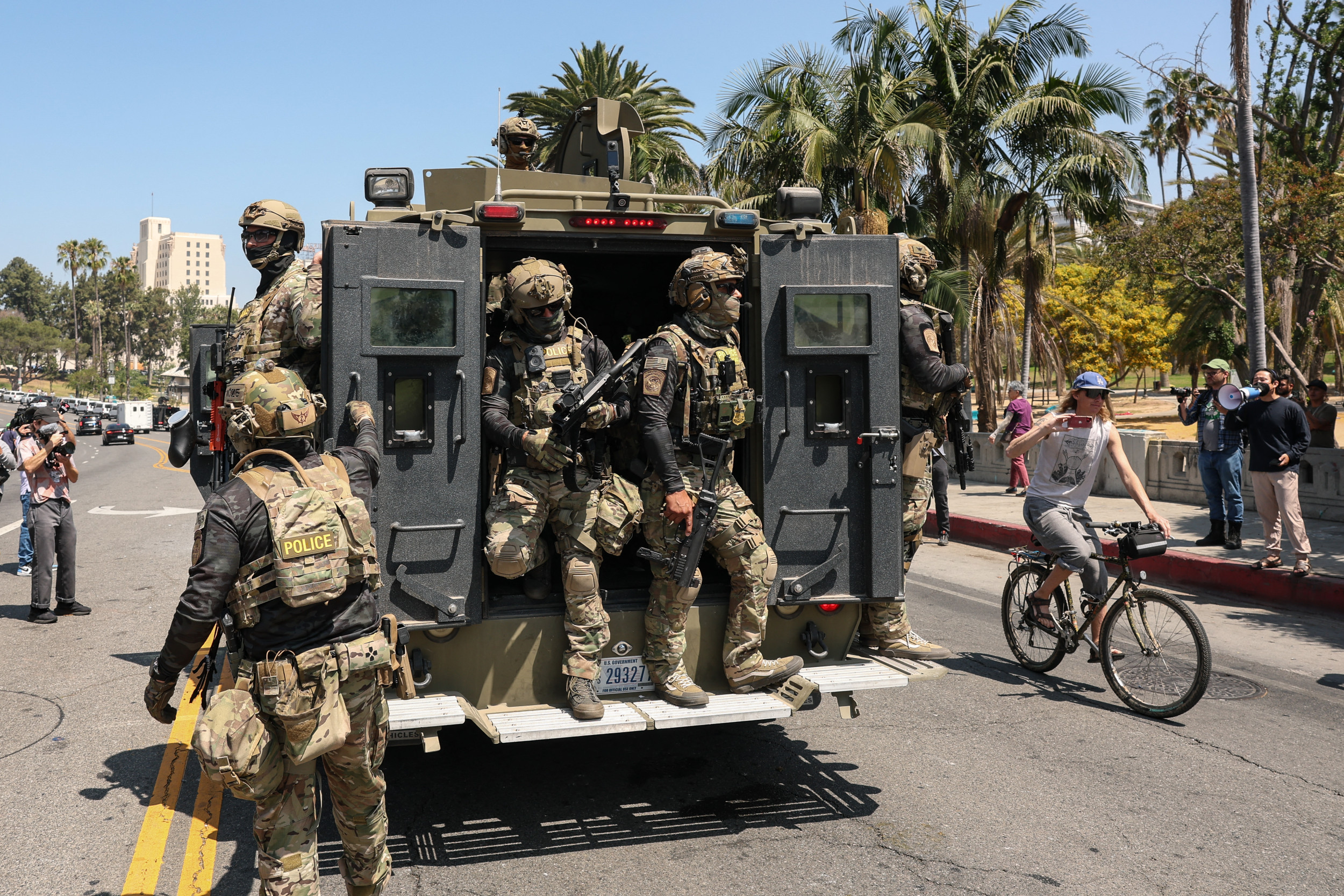
Plaintiffs in the lawsuit, filed by several immigrant rights advocacy organizations, contend that ICE’s “roving patrols” constitute significant intrusions for U.S. citizens and lawful residents swept up in broad net enforcement actions. The challenged order previously barred agents from considering race, language, work location, or occupation as sole justifications for detainment. The plaintiffs cite numerous cases in which citizens or those with legal status were allegedly detained or harassed on the basis of their ethnicity or workplace.
Conversely, Trump administration officials—including DHS Secretary Kristi Noem—argue that sanctuary policies in cities like Los Angeles hinder federal efforts to remove individuals illegally present in the country. They maintain that ICE operations focus on enforcing federal law regardless of ethnicity, and that broad judicial restraining orders “threaten agents with sanctions” for reasonable law enforcement actions.
Acting U.S. Attorney Bill Essayli underscored the federal government’s stance on social media, writing, “We are a nation of laws. Federal law enforcement is non-negotiable and cannot be curtailed by any court. If plaintiffs disagree with immigration laws, they should address Congress, not a single judge.”
On the other hand, Supreme Court Justice Sonia Sotomayor, writing in dissent, expressed deep concern over the decision, stating, “Countless people in the Los Angeles area have been grabbed, thrown to the ground, and handcuffed simply because of their looks, their accents, and the fact they make a living by doing manual labor. Today, the Court needlessly subjects countless more to these exact same indignities.”
Community Impacts and Response
The Supreme Court’s ruling is expected to have immediate and widespread impacts on Los Angeles communities, driving renewed protests and calls for legislative change at both state and federal levels. Civil rights advocates warn of a chilling effect on immigrant communities, where fears of indiscriminate enforcement may deter individuals from reporting crimes, seeking healthcare, or participating in civic life.
Los Angeles local officials remain adamant in their opposition. Mayor Karen Bass reiterated that “the deployment of federal agents puts communities at risk and erodes public trust,” echoing a June statement that denounced the unchecked presence of federal agents and military personnel. Governor Newsom has pledged to continue defending California values and immigrant protections in the face of federal policies he describes as punitive and politically motivated.
The Department of Homeland Security, meanwhile, asserts that the ramped-up enforcement is limited to apprehending individuals with unlawful status or criminal records, rather than targeting people based on superficial characteristics. However, continuing reports of mistaken detentions and overbroad operations have raised bipartisan concerns in Congress and beyond.
Broader Implications: Immigration, Federalism, and Civil Liberties
The Supreme Court’s latest decision sets an important precedent as the U.S. continues to grapple with record numbers of migrants at the southern border and a deeply divided political climate over immigration reform. According to U.S. Customs and Border Protection, fiscal year 2024 is on pace to see the highest number of border encounters in two decades, with over 2.5 million apprehensions reported in the first nine months alone.
The ruling reinvigorates debates over the power of the federal government in directing local law enforcement, the scope of civil rights protections for minority groups, and the ongoing struggle to reform America’s immigration laws. While the legal battle in California continues, the Supreme Court’s decision has already shifted the landscape for immigration enforcement nationwide, leaving immigrant communities, local governments, and advocacy organizations bracing for further challenges ahead.


