U.S. State Department Issues New Travel Advisories for Nepal, Armenia, and Belarus: What Travelers Need to Know

Staying current with U.S. government travel advisories is crucial for anyone planning an international trip in 2024. This week, the U.S. State Department issued or updated travel advisories for three countries—Nepal, Armenia, and Belarus—reflecting the rapidly evolving geopolitical and security landscape affecting American citizens abroad. Here’s a detailed breakdown of what these advisories mean and how travelers should respond.
Nepal: Elevated to ‘Level 3 – Reconsider Travel’ Due to Civil Unrest
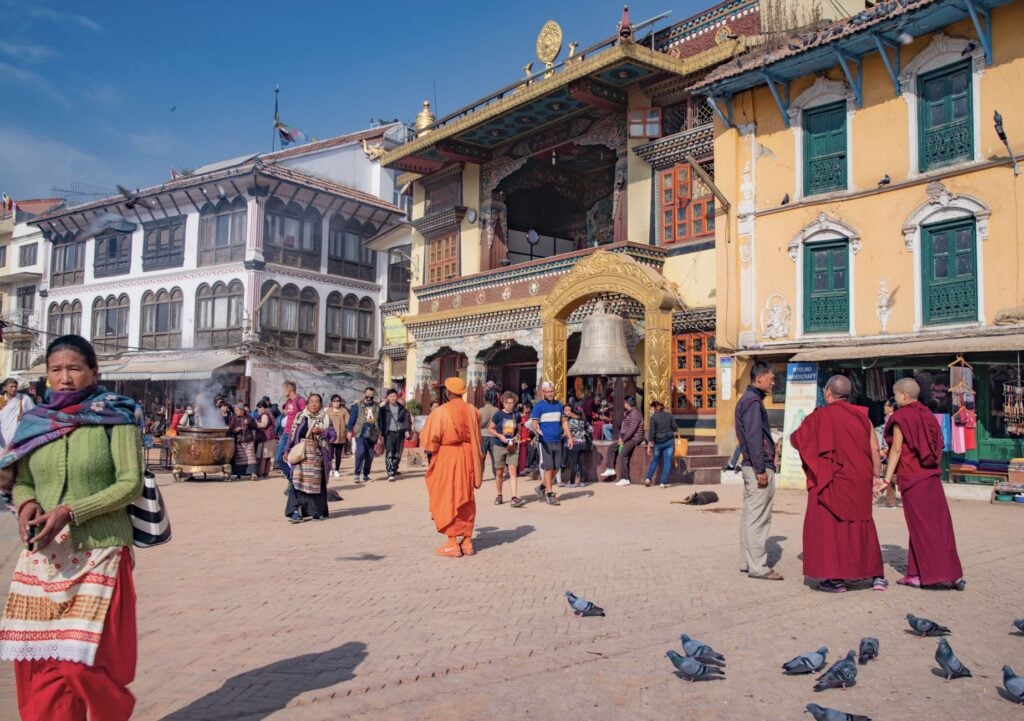
Latest Guidance: Nepal, renowned for its Himalayan landscapes and spiritual retreats, faced increased civil unrest this September, leading the U.S. State Department to elevate its travel advisory to Level 3: Reconsider Travel.
What’s Happening? Recent weeks have witnessed widespread protests in major urban centers, most notably Kathmandu and Pokhara. Several demonstrations turned violent, resulting in numerous injuries and deaths. Curfews have been imposed in both cities, and local authorities warn that restrictions and further protests could occur with little warning. Discontent centers on national political and economic reforms, reflecting deeper social divisions.
Travel Impact: U.S. travelers are advised to avoid all demonstrations and crowds, and to closely follow directives from local authorities. Disruptions to public transit, business operations, and municipal services are ongoing. Trekkers should stay informed about route closures or regional advisories, though Nepal’s rural areas and trekking circuits are generally unaffected. However, the U.S. Embassy in Kathmandu has warned of possible quick escalations in urban centers and recommends contingency planning for transportation and lodging.
According to Nepal Tourism Board data, the nation was on track to receive over 1 million tourists in 2024—a pace that may be disrupted if unrest continues. Global tour operators are monitoring the situation closely, and several have adjusted itineraries or refund policies to account for evolving risks.
Armenia: ‘Level 2 – Exercise Increased Caution’ with Targeted Regional Risks
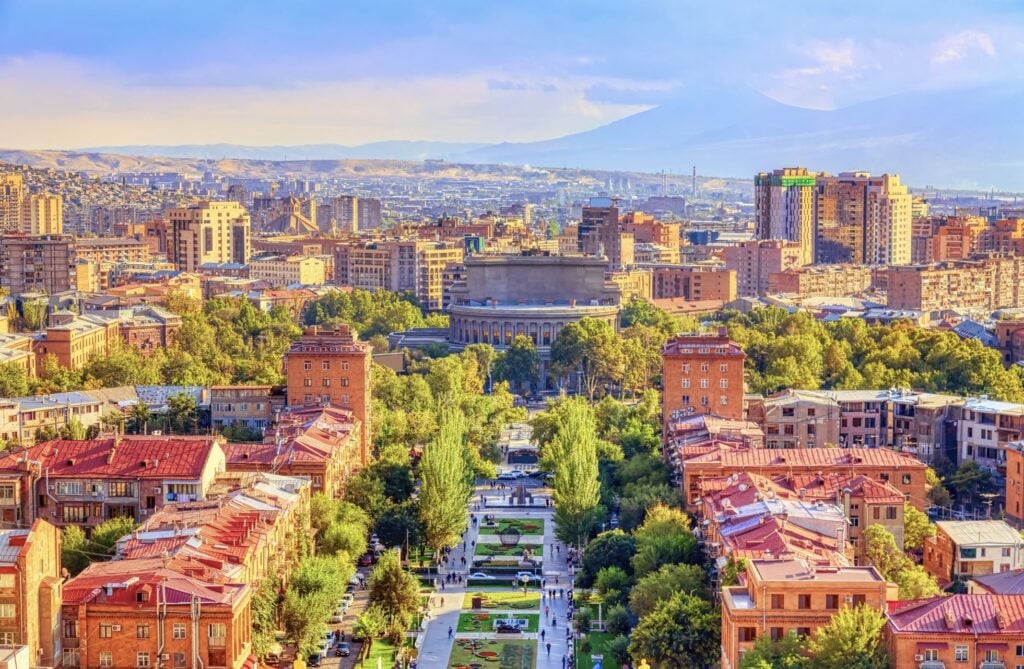
Latest Guidance: Armenia remains at Level 2: Exercise Increased Caution. The advisory is specific: avoid traveling to Armenia’s eastern border with Azerbaijan, an area marked by sporadic armed conflict and heightened military presence, especially after the Nagorno-Karabakh conflict’s escalation in 2023–2024.
What’s Happening? Most of Armenia, including popular destinations such as Yerevan and the northern and central provinces with UNESCO World Heritage monasteries, is considered stable for tourists. However, military tensions persist along border areas. The U.S. Embassy restricts its personnel from traveling to these at-risk regions, underscoring the seriousness of potential conflict escalation.
Travel Impact: For the majority of tourists, Armenia continues to offer a safe travel experience. However, careful geographic awareness is vital; venturing near the border with Azerbaijan is strongly discouraged. The State Department encourages tourists to register with the Smart Traveler Enrollment Program (STEP) to receive up-to-date alerts and permit consular tracking in emergencies.
According to the Armenian National Statistical Service, the country hosted a record 2 million foreign visitors in 2023, but ongoing regional disputes may influence travel plans for 2024.
Belarus: ‘Level 4 – Do Not Travel’ As U.S. Embassy Shuts Down
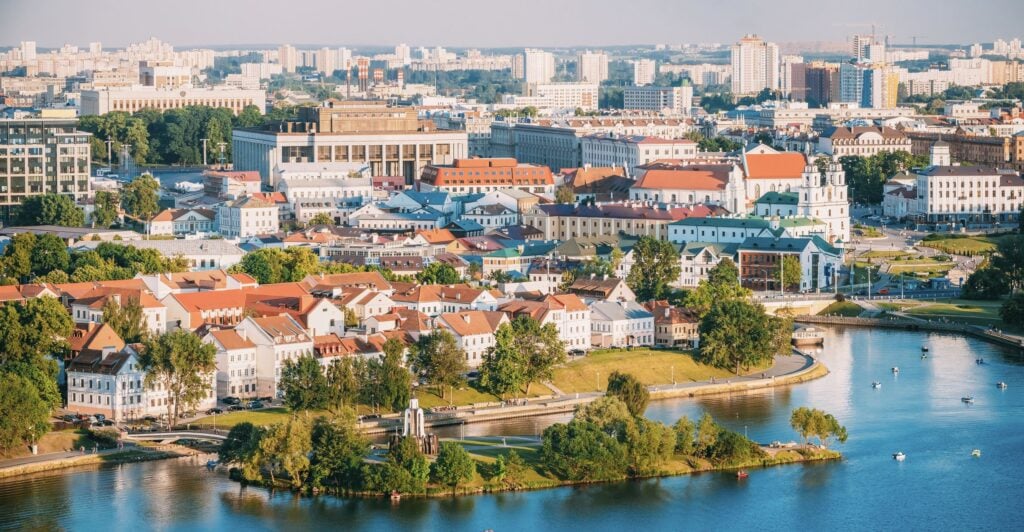
Latest Guidance: Belarus now carries a Level 4: Do Not Travel warning. The advisory is unequivocal: Americans in Belarus should depart immediately. The U.S. Embassy in Minsk has suspended all operations amid escalating political risks and the country’s involvement in the Russia-Ukraine war.
What’s Happening? Travelers face heightened dangers, including arbitrary detention, harassment by security forces, and severely limited access to consular support. Recent U.S. State Department statements cite concerns over Belarusian authorities’ enforcement of local laws and their unpredictable responses to perceived dissent. The country’s support for the Russian military campaign has further isolated Belarus diplomatically and increased the risk profile for Western visitors.
Travel Impact: U.S. citizens cannot rely on emergency assistance or diplomatic intervention should they encounter difficulties in Belarus. Flight connectivity with Europe and the U.S. remains sparse due to ongoing sanctions and airspace restrictions, complicating evacuation options.
Reports from the Organization for Security and Co-operation in Europe (OSCE) and the United Nations Human Rights Office highlight continued crackdowns on civil society, media, and foreign visitors, strengthening the case for a strict travel ban. The country’s tourism numbers have fallen sharply, with most international tour operators suspending operations in or through Belarus.
Summary Table: Current U.S. State Department Advisories
| Country | Advisory Level | Key Risks | Recommended Action |
|---|---|---|---|
| Nepal | Level 3: Reconsider Travel | Civil unrest, violent protests, curfews | Avoid protests/gatherings, monitor advisories |
| Armenia | Level 2: Exercise Increased Caution | Border conflict risk (Azerbaijan) | Avoid border regions, stay informed |
| Belarus | Level 4: Do Not Travel | Political repression, embassy closed | Do not travel; depart immediately if present |
Best Practices for Safe International Travel in 2024
Given the shifting landscape of global safety, travelers should regularly check the U.S. State Department official advisories before trip planning. Registering for the STEP program, monitoring local news in your destination, and securing comprehensive travel insurance that covers emergency medical evacuation are smart measures. Using trusted resources like Travel Off Path’s Advisory Checker gives you real-time, destination-specific insight at every stage of your journey.
In an era of continuous change, situational awareness and informed decision-making remain every traveler’s best tools for staying safe abroad.