
President Trump Orders National Guard Deployment to Memphis in Controversial Crime Crackdown
By Will Weissert, Associated Press
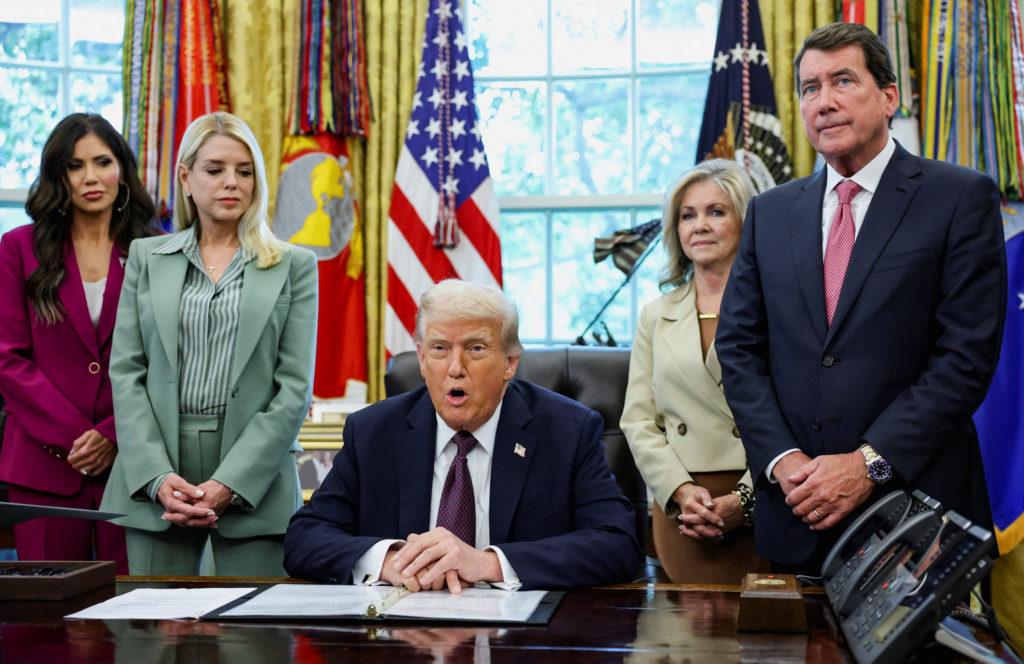
On September 15, 2025, President Donald Trump signed a presidential memorandum authorizing the deployment of the National Guard and additional federal agencies to Memphis, Tennessee. Announced during a meeting with Tennessee Governor Bill Lee at the White House, Trump framed the operation as a “replica” of his administration’s controversial actions in Washington, D.C., just the month prior. The move marks the latest test of federal authority in local crime matters and has ignited fresh debate over the balance between public safety and civil liberties in American cities.
Federal Forces Head for Memphis
President Trump asserts that the deployment is a direct extension of “extraordinarily successful efforts” in Washington, where National Guard troops and federal law enforcement were deployed to curb criminal activity. “We’re sending in the big force now,” Trump declared, describing plans for a broad coalition involving the FBI, Drug Enforcement Administration (DEA), Immigration and Customs Enforcement (ICE), and the U.S. Marshals Service, in addition to military personnel.
The move swiftly drew national attention, both for its scope and for bypassing local authority. Memphis Mayor Paul Young, a Democrat leading the city’s largely Black population, publicly stated that he did not request federal troops and questioned the wisdom of such a deployment. “I did not ask for the National Guard, and I don’t think it’s the way to drive down crime,” Young said.
Memphis Crime Statistics Contradict White House Claims
While the White House cited a Memphis crime rate higher than the national average and even alleged an increase since the previous year, local law enforcement presented a different narrative. According to data from the Memphis Police Department, the first eight months of 2025 saw declines in every major crime category compared to recent years, with overall crime at a 25-year low and murder rates at a six-year low. This progress contrasts sharply with the administration’s characterization of a city in crisis.
However, Memphis’s history with violent crime remains complex. In 2023, the city recorded over 390 homicides—a record at the time—which still affects the city’s reputation and challenges law enforcement. Gun violence, in particular, has been a persistent issue that local and state officials have struggled to control despite recent improvements.
Local and National Political Response
Governor Bill Lee, a Republican, welcomed the federal involvement, describing the surge in law enforcement as necessary to regain control and protect Memphis citizens. “We are tired of crime holding the great city of Memphis back,” Lee said, echoing calls from business and neighborhood groups concerned about the city’s future.
Politically, the deployment polarizes support largely along party lines. While Republicans have lauded the crackdown as decisive action against violence, many Democrats and civil rights advocates have likened it to past examples of federal overreach, warning that a heavy law enforcement presence could further erode community trust and exacerbate existing tensions. National organizations such as the American Civil Liberties Union (ACLU) have raised questions about the legality and likely efficacy of such interventions, referencing constitutional limits on the use of military force in domestic policing under the Posse Comitatus Act.
A Pattern of Federal Intervention?
President Trump’s Memphis strategy arrives on the heels of his similar actions in Washington, D.C., where the summer deployment of federal agents and the National Guard followed weeks of protests and concerns over crime. In the capital, federalizing the police and suppressing demonstrations proved deeply controversial, drawing lawsuits and a rare backlash from local authorities—including congressional delegates and the D.C. mayor.
“We’re going to be doing Chicago probably next,” Trump said during his Memphis announcement, referencing Chicago’s well-known struggles with gun violence. He added that plans to deploy in other cities, such as St. Louis and Baltimore, were under consideration but not yet confirmed. Speculation about future deployments has caused anxiety among local officials and residents, particularly where communities are sensitive to federal intervention and racial inequity in policing.
Community Reactions and Civil Rights Concerns
Many Memphis residents and city leaders have expressed concern that the sudden influx of National Guard and federal agents could lead to over-policing and undermine the steady gains made through community policing and local reform initiatives. Mayor Young and other Memphis stakeholders argue that collaborative strategies addressing the root causes of crime—such as poverty, limited educational opportunities, and insufficient mental health resources—are more sustainable than military-style crackdowns.
Civil liberties advocates warn that repeated federal interventions set a risky precedent, potentially chilling local autonomy and inviting further conflicts between city and federal authorities. Critics highlight that law enforcement surges in minority-majority cities raise troubling questions about racial justice and the disproportionate impact of policing on communities of color.
National Political Backdrop and 2026 Congressional Elections
The Memphis National Guard deployment occurs amid a contentious national political climate, with the 2026 congressional midterms on the horizon. President Trump has increasingly used crime and public safety as core campaign themes, appealing to voters disenchanted by perceptions of urban disorder while simultaneously challenging Democratic-led local governments. Republican strategists argue that strong action in cities like Memphis could galvanize support in swing states and signal tough-on-crime credentials.
Conversely, Democratic critics warn that the emphasis on force over reform risks alienating key constituencies and inflaming social unrest. Polling by Pew Research Center and Gallup in 2025 indicates the nation’s views on crime and policing remain divided: while more Americans report concern over crime than in previous years, majorities continue to support local—not federal—control of law enforcement.
Future Implications for U.S. Cities and Governance
The question remains whether the National Guard’s role in Memphis will improve safety or instead expose the limitations and risks of federal intervention in local policing. In the coming weeks, all eyes will be on the city, as officials tally the impacts both on public safety and on the vital relationship between law enforcement and the community it serves. Whatever the outcome, the Memphis operation marks another chapter in the continuing debate over the reach of federal power and the meaning of public order in 21st-century America.


