
iPhone 17 Launches Globally: Apple Navigates Mounting Pressure from Chinese Rivals and AI Skepticism
Apple Inc. marked a pivotal moment this week with the global launch of its iPhone 17 series, a move underscoring the company’s ambitions amid rapidly intensifying competitive and technological challenges. The highly anticipated release comes as the Cupertino giant faces rising competition from Chinese smartphone makers and pointed skepticism about whether its AI strategy is robust enough to keep Apple at the forefront of the mobile industry.
Strong Initial Demand Masks Longer-Term Uncertainty
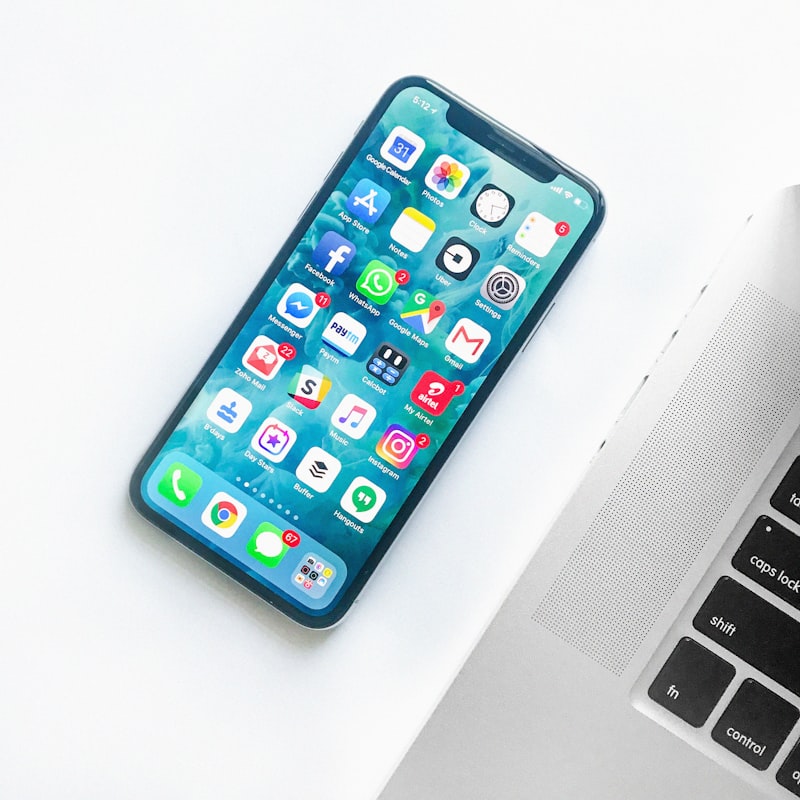
On the first day of iPhone 17’s retail availability, large crowds once again gathered at Apple Stores in major cities from New York to Shanghai, signaling robust demand for the company’s newest flagship device. Online pre-orders posted record numbers in several regions, with supply constraints already reported in premium models such as the iPhone 17 Pro Max. According to the investment bank Wedbush, initial shipment estimates for the launch period have been revised upward, with Apple expected to sell over 90 million units worldwide in the first quarter alone.
Despite these early positive indicators, analysts caution that the broader outlook for Apple’s smartphone business is less clear. The global smartphone market has become fiercely competitive, particularly in China, where domestic brands like Huawei, Xiaomi, and Oppo have gained substantial ground. In 2024, Huawei overtook Apple in Chinese market share for the first time since 2019, a dramatic signal of shifting consumer preferences amidst ongoing geopolitical tensions and regulatory hurdles facing U.S. firms.
AI and Innovation in the Spotlight
Critical to Apple’s ability to retain its competitive edge is its strategy for integrating artificial intelligence (AI) into its devices. While the iPhone 17 touts modest improvements in on-device AI capabilities—such as smarter photo editing, AI-powered privacy features, and enhanced voice assistance—industry observers have questioned whether these upgrades match the pace set by rivals. In April, Samsung released its flagship Galaxy S25 with deeper generative AI features powered by in-house chips and cloud computing. Meanwhile, Chinese firms are racing to launch phones with proprietary AI assistants, image recognition, and real-time language translation.
“AI is no longer a luxury—it’s a basic expectation for global smartphone buyers,” said Canalys principal analyst Nicole Peng. “Apple has historically led with ecosystem and design, but if its AI capabilities don’t accelerate, it risks falling behind not just in feature comparison, but in consumer relevance.”
China: Apple’s Critical Battleground
No region is more important for Apple’s growth trajectory than China, where nearly 20% of its global revenue is generated. The iPhone 17 arrives as local competitors continue to erode Apple’s market share with lower pricing and rapidly advancing hardware. China’s technical and regulatory environment, including new restrictions on U.S. tech imports and government procurement, further complicate Apple’s prospects. According to Counterpoint Research, Apple’s iPhone shipments in China declined by 8% year-over-year in the second quarter of 2025, while domestic companies recorded double-digit growth.
Adding to the competitive drama, Huawei’s recent Mate 70 launch—with its domestically produced 7nm chips and advanced AI integration—has been widely viewed as a direct challenge to Apple’s premium tier dominance. Some Chinese analysts predict Huawei could claim the nation’s top smartphone spot by the end of this year, depending on supply chain resilience and consumer sentiment.
Tim Cook Responds to Competitive Pressures
Apple CEO Tim Cook has sought to blunt criticism that the company is lagging in AI and innovation. In a recent interview, Cook emphasized Apple’s “commitment to privacy, seamless integration, and trust,” suggesting that the company’s strategy is to deliver AI enhancements without compromising user security. “We believe that the best AI is the one that works for you and protects your privacy—something only Apple can do at scale,” Cook stated.
Financially, Apple remains a juggernaut. In its most recent earnings call, the company reported $394 billion in annual revenue and a cash reserve exceeding $150 billion. However, services growth now outpaces hardware, raising questions about the iPhone’s place in Apple’s future earnings mix. Investors are particularly sensitive to signs that iPhone demand could plateau, especially as global smartphone replacement cycles lengthen and high-end markets reach saturation.
Global Market Trends: Opportunities and Threats
The backdrop for the iPhone 17 launch comes at a time of tepid overall growth in the global smartphone market. According to IDC, 2025 global shipments are expected to rise by just 2% compared to last year, hampered by ongoing inflation, economic uncertainty, and increasingly incremental upgrades in flagship devices. Despite this, certain regions—such as Southeast Asia and India—remain high-growth opportunities for Apple as rising incomes put premium smartphones within reach of more consumers.
Yet, Apple faces mounting pressure on multiple fronts:
- Regulation: Antitrust scrutiny in the United States and EU could force Apple to make significant changes to its App Store and core services.
- Supply Chain Risks: The company’s heavy reliance on China for manufacturing leaves it exposed to geopolitical volatility.
- Innovation Demands: Consumer expectations for breakthrough features and robust AI continue to rise.
What’s Next for Apple?
As Apple’s most successful product ever, the iPhone remains the barometer for the company’s fortunes. The iPhone 17 will likely capture strong initial sales, particularly among the company’s base of loyal users. But sustaining growth—and maintaining its reputation as an innovation leader—will require greater investment in AI research, international market adaptation, and perhaps a fundamental rethink of how Apple defines user experience in the age of intelligent devices.
Ultimately, Apple’s journey with the iPhone 17 is not just about hardware sales, but about winning the next wave of the technology race: seamless, secure, and truly intelligent mobile computing.


