
DL Chemical to Sell Profitable Cariflex Unit Amid Sector Turbulence
By Jun-Ho Cha | September 21, 2025
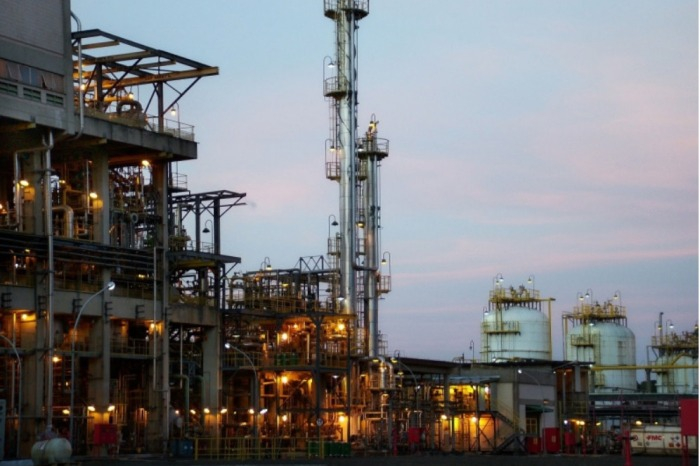
South Korea’s leading petrochemical company, DL Chemical Co., is preparing to divest Cariflex Pte, a Singapore-based specialty synthetic rubber and latex manufacturer, just five years after its acquisition in 2020. This move marks a significant step in the company’s ongoing portfolio rebalancing and comes at a time of heightened volatility across the global chemical industry.
Background: Acquisition and Performance
Cariflex, acquired by DL Chemical for $530 million from Kraton Corp., has established itself as the world’s top producer of isoprene rubber latex (IRL), which is widely used in medical products such as surgical gloves and stoppers. The timing of the acquisition proved fortuitous: the global pandemic spurred demand for medical-grade latex products, allowing Cariflex to deliver robust financial results. The unit reportedly generated operating margins near 20%, helping position it as a cash cow within DL Chemical’s broader portfolio.
Recently, Cariflex announced plans to build a $384 million latex plant in Singapore, further cementing its leading status in the synthetic rubber sector. The business segment has attracted considerable interest from both industry players and global private equity funds, thanks to its reliable performance and strong growth prospects.
Strategic Rationale for the Sale

The looming sale reflects DL Chemical’s broader strategic prioritization of higher-value specialty products amid sector-wide disruption. Following the Cariflex acquisition, DL Chemical undertook its largest global deal: the purchase of Kraton Corp. for approximately $2.5 billion in 2021. With these deals, DL Chemical positioned itself as a key international player in specialty chemicals.
However, executives concluded that while Cariflex boasts excellent profitability, its market is relatively niche. As DL Chemical aims to rank among the world’s top 20 chemical companies, management determined that the proceeds from a Cariflex sale could be deployed more effectively into businesses with greater scale and future growth potential.
The divestiture is also designed to address a pressing concern: DL Chemical’s debt-to-equity ratio climbed as high as 350% in 2025, raising alarms among investors. A successful sale is expected to ease leverage pressures and bolster the company’s balance sheet amid tightening global financial conditions.
Industry Pressures: Korean and Global Petrochemicals
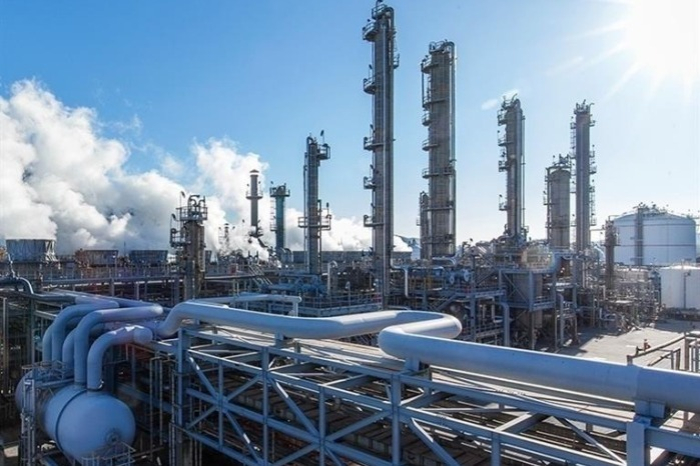
DL Chemical’s strategic realignment is emblematic of broader challenges facing Korea’s chemical sector. Throughout 2024 and 2025, oversupply—driven by China’s massive capacity gains—has severely depressed margins and forced extended shutdowns at major sites. Notably, Yeochun NCC Co. (YNCC), co-owned by DL Chemical, was compelled to halt part of its naphtha cracking operations amid dire liquidity issues, narrowly avoiding default after a $220 million emergency capital injection from shareholders.
A recent Boston Consulting Group study, commissioned by the Korea Chemical Industry Association, warned that almost half of Korea’s petrochemical firms might collapse within three years if market conditions do not improve. The government, responding to industry appeals, has urged rapid restructuring: cutting overcapacity, shifting to higher-value specialty production, and bolstering financial stability while minimizing job losses.
Globally, the picture is similarly fraught. High interest rates, weak downstream demand, and environmental compliance costs are putting pressure on integrated chemical majors from Europe to the U.S. While M&A activity slowed in 2023, 2024 saw renewed interest in specialty asset deals, with both strategics and private equity eager to acquire proven high-margin businesses.
Cariflex: A Valued Asset on the Block
With operating profitability now public, Cariflex is expected to attract strong interest. Industry analysts believe the division could fetch well over 1 trillion won (around $721 million), possibly higher if a bidding war ignites among global chemical firms seeking to diversify away from commodity exposures, or among private equity looking for resilient cash flows in a volatile macro environment.
The sale process—conducted alongside multiple global investment banks as advisors—will test investor appetite for premium specialty chemical assets impacted by global healthcare and hygiene trends. Interested parties are likely to include international chemical majors as well as private equity giants, such as Blackstone, KKR, and Carlyle, which have demonstrated strong interest in specialty chemical carve-outs globally. Strategic acquirers from Europe or North America, eager to access the fast-growing Asian medical products market, may also join the process.
According to latest data, the global synthetic rubber market was valued at over $27 billion in 2023, with medical applications projected to grow at a compound annual rate above 6% through 2028. Cariflex, as the leader in IRL production, is exceptionally well-positioned to service this expanding demand.
Looking Ahead: DL Chemical’s Next Moves
DL Chemical’s drive to rationalize its portfolio by divesting Cariflex sends a clear message to the market: the era of sprawling, debt-fueled expansion is over, replaced by a new strategic focus on core, scalable specialty chemical operations. As the company navigates sector headwinds and seeks to restore financial stability, the success of the Cariflex sale could set the tone for other Korean industrial groups contemplating restructuring.
Meanwhile, the outcome will be closely watched by the global chemical industry. If the sale realizes a high multiple, it could inspire further divestitures and consolidation in the specialty segment, especially as global players seek growth in Asia’s resilient medical and healthcare supply chains.
In conclusion, DL Chemical’s decision underlines the heightened pressure—and emerging opportunity—within the global chemical landscape, as companies adapt to cyclical downturns, debt constraints, and the rising imperative to focus on specialty innovation over commodity scale.


