
Trump and Musk Reunite at Charlie Kirk Memorial Amid Shifting Political Alliances
Date: September 21, 2025
Location: State Farm Stadium, Glendale, Arizona
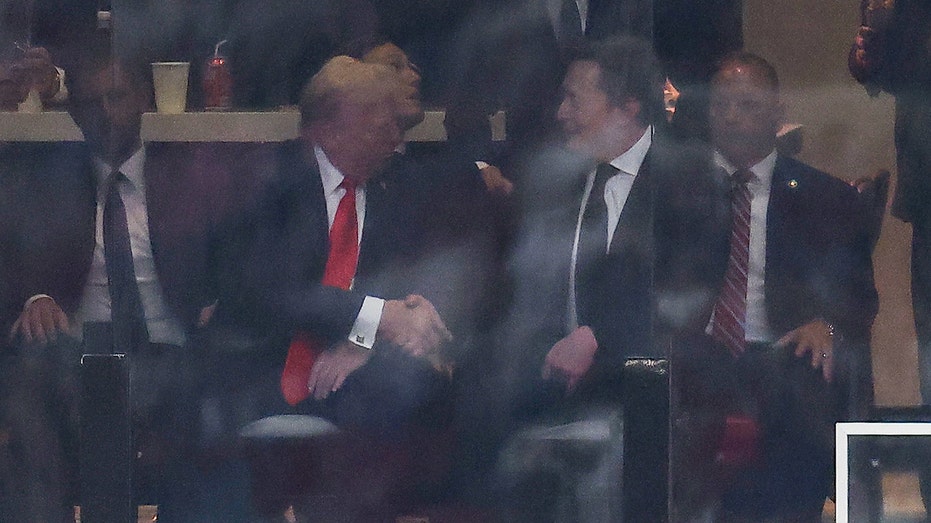
In a symbolic moment that captured attention across political and business circles, former President Donald Trump and Tesla CEO Elon Musk were seen shaking hands at Sunday’s public memorial for Charlie Kirk, the conservative activist and co-founder of Turning Point USA. The event drew high-profile figures, including prominent donors, politicians, and tech industry leaders, highlighting Kirk’s impact on America’s conservative movement—and the current realignment of its leadership.
The Legacy of Charlie Kirk
Kirk, who was assassinated while speaking at Utah Valley University during his influential ‘Prove Me Wrong’ college tour, became a polarizing symbol among conservatives and progressives alike. His death triggered global reactions, with thousands mourning and acknowledging his efforts in expanding civic activism among young conservatives. Kirk’s leadership of Turning Point USA was pivotal, growing the movement from a grassroots campaign to a national organization impacting education, culture, and elections.
Rebecca Dunn, an early Turning Point USA donor, recalled how she and her late husband supported Kirk from the organization’s inception. “Charlie inspired a generation to speak out, regardless of opposition,” she commented at the memorial.
Unlikely Reunion: Trump and Musk’s Evolving Relationship
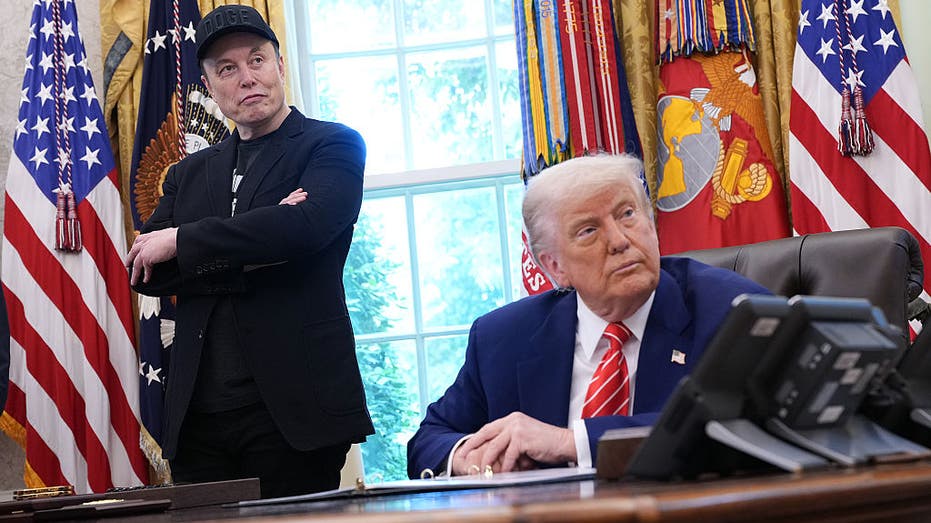
The Trump-Musk relationship—once marked by mutual admiration but later public disagreements—became a focal point at Kirk’s memorial. Musk’s involvement in Trump’s successful 2024 White House campaign was widely credited as a factor in Trump’s victory. In return, Musk received significant public and political support, including the symbolic delivery of a red Tesla to the White House and Musk’s prominent appointment to lead the Department of Government Efficiency (DOGE), where he promised cost-cutting government reforms.
Despite their shared successes, tensions emerged in 2025 over major policy differences, particularly concerning the so-called “One Big Beautiful Bill” championed by Trump. Musk, using his X (formerly Twitter) platform, harshly criticized the sweeping spending legislation, calling it a “disgusting abomination" and lambasting Congressional leaders over spiraling national debt. His outspoken criticism—on a platform he himself owns—put him at odds with Trump and many in the GOP. As of September 2025, the United States’ national debt has surpassed $37 trillion, according to the Treasury Department, drawing increased scrutiny from fiscal conservatives and business leaders alike.
Political & Business Impacts Amid U.S. Shifts
Musk’s tenure at DOGE was brief. He stepped down at the end of May 2025, as new divisions appeared between him and Trump’s circle, especially over the future of clean energy incentives and EV mandates. The Trump administration, aiming to appeal to the broader industrial base, began dialing back electric vehicle requirements—a decision that surprised observers given Musk’s leading role in Tesla and his previous advocacy for sustainable transport. Nevertheless, Tesla remained buoyant, with its shares advancing over 12% year-to-date, reflecting resilience amid shifting policy winds and market volatility. On the day of the memorial, Tesla stock closed at $426.07, up 2.21%.
The broader political landscape reflected the impactful moment of the Trump-Musk handshake—signaling that, despite personal and policy splits, strategic alliances can still be forged around shared causes and cultural moments. In a year where global tensions and domestic polarization dominate headlines, the memorial gathering in Glendale became a rare site of unity (however brief), bringing together figures from across the ideological and economic spectrum.
Observers note that Musk’s evolving political presence marks a new era for tech industry leaders, increasingly active in public policy, electoral politics, and social debates. Meanwhile, Trump’s continued dominance of the Republican field heading into the 2026 midterms ensures that business figures, donors, and activists must constantly recalibrate their strategies and alliances.
Charlie Kirk’s Enduring Impact
Turning Point USA, under Kirk’s leadership, expanded to reach hundreds of college and high school campuses, mobilizing young conservatives and catalyzing debates about free speech, academic policy, and the future of American values. In the wake of Kirk’s assassination, the organization has vowed to continue his activism, unveiling new outreach initiatives targeting civic engagement among next-generation voters.
At the memorial, speakers ranging from lawmakers to media personalities underscored Kirk’s vision: “We must rally behind the importance of open debate and active participation in our nation’s political process,” said one colleague. The bipartisan attention to Kirk’s passing, as well as the debates triggered in Congress over whether to formally honor him, underscores the deep culture war divisions woven through American society in 2025.
Looking Forward: Strategic Realignments and the 2026 Elections
The Trump-Musk handshake at the Kirk memorial is likely to be replayed across election cycles, as both political parties and business leaders navigate collaborations and conflicts. Both men represent shifting centers of American influence: Trump as a seasoned populist entrepreneur-turned-politician, and Musk as the world’s most prominent—and polarizing—tech CEO, whose views on government, industry, and society are increasingly consequential.
As news coverage of the memorial continues, it remains to be seen how the convergence of high-stakes politics, rapid technological change, and generational cultural shifts will shape the American landscape in years to come. For now, the Glendale memorial serves as a reminder that leadership legacies—whether in government, business, or activism—are built on moments of unity, even among rivals.


