
Pfizer Nears $7.3 Billion Acquisition of Anti-Obesity Drugmaker Metsera, Eyeing Market Leadership
Published on: September 22, 2025 | Source: Reuters, Financial Times
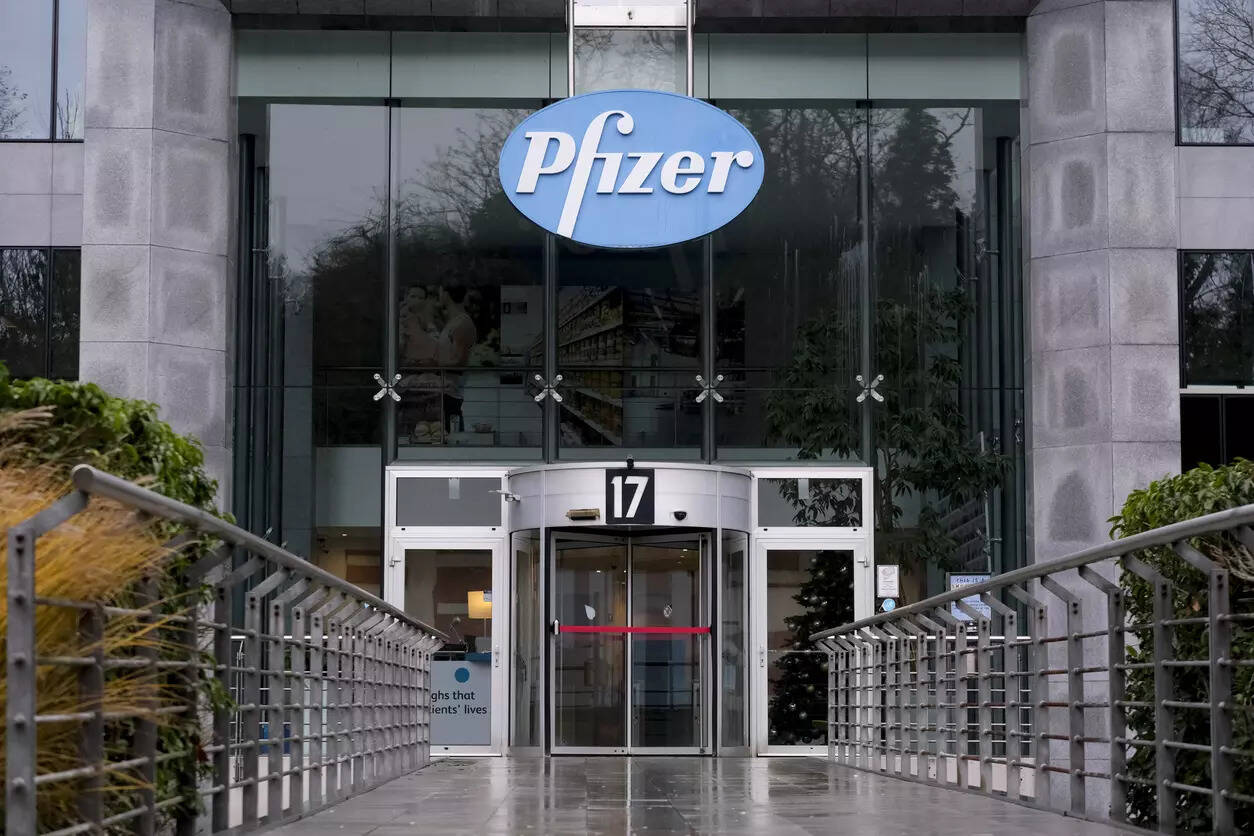
In a move that could reshape the competitive landscape of obesity therapeutics, Pfizer Inc. is on the verge of acquiring New York-based Metsera in a landmark $7.3 billion cash deal, according to recent reports from the Financial Times. The transaction, at $47.50 per share with a potential additional $22.50 per share tied to milestone achievements, marks a significant premium of approximately 42.5% over Metsera’s last closing price of $33.32, underscoring skyrocketing investor demand for next-generation weight-loss solutions.
This acquisition will not only bolster Pfizer’s presence in the fiercely contested obesity drugs market, but also signals a renewal of its ambitions after abandoning its own weight-loss candidate, danuglipron, in April 2025 due to safety and tolerability issues. The deal is expected to be formally announced as early as Monday, pending final negotiations.
Why the Obesity Drug Market Is Attracting Mega Deals
The surge in global obesity rates has generated a powerful tailwind for pharmaceutical innovation. World Health Organization data published in 2024 estimates that over one billion adults globally are now obese – an astonishing tripling since 1975. In the United States alone, the CDC projects obesity prevalence could reach 50% of adults by 2030, driving a parallel rise in obesity-related metabolic diseases from diabetes to cardiovascular disorders.
This public health crisis has translated into massive market potential. Financial analysts at Morgan Stanley and Goldman Sachs now forecast the global market for anti-obesity drugs could exceed $150 billion by the early 2030s. Forbes further notes the meteoric sales of GLP-1-based drugs like Ozempic (Novo Nordisk) and Mounjaro (Eli Lilly), which together are projected to cross $50 billion in annual revenue by 2027.
Metsera: A Rising Star in Next-Generation Obesity Therapeutics
Founded in 2022 by ARCH Venture Partners and Population Health Partners, Metsera has rapidly established itself as a biotech leader in obesity and metabolic disease innovation. The company focuses on both injectable and oral therapies rooted in novel GLP-1 receptor agonist mechanisms and additional biological pathways.
Metsera’s lead candidate, MET-097i, is a next-generation injectable showing promising results in mid-stage clinical trials. According to company data released in early 2025, MET-097i achieved an average weight loss of 11.3% in treated patients – results that approach the efficacy of market-leading drugs like Wegovy and Mounjaro, while aiming for improved safety profiles.
The company’s pipeline also features oral obesity therapeutics and combination regimens targeting the complexities of obesity biology. After its high-profile Nasdaq IPO in 2025, Metsera quickly caught the attention of global pharma players seeking new opportunities beyond their existing obesity franchises.
Why Pfizer Is Betting Big on Metsera
Pfizer had placed earlier hopes on its own oral GLP-1 candidate, danuglipron. However, after Phase II clinical trials cited poor tolerability and liver safety concerns, the company halted the program—leaving Pfizer without a direct pipeline contender to challenge the GLP-1 class dominators, Novo Nordisk and Eli Lilly.
This acquisition signals a strategic re-entry. With Metsera’s assets, Pfizer aims to leapfrog the arduous early R&D stage, fast-tracking access to both advanced clinical candidates and proprietary obesity platforms. The merger positions Pfizer to compete head-to-head in what may be the fastest-growing and most lucrative therapeutic category of the decade.
Pfizer’s move mirrors the consolidation trend already visible in pharma: in the past 18 months, Eli Lilly acquired Versanis for $1.9 billion, while Novo Nordisk bought Inversago Pharma for $1.1 billion, each looking to defend their lead in next-generation obesity solutions.
Beyond GLP-1: The Next Frontier
GLP-1 receptor agonists have revolutionized obesity pharmacotherapy, yet limitations remain, including gastrointestinal side effects, injectable administration, and accessibility challenges. Metsera’s portfolio not only includes GLP-1-based injectables, but also next-generation oral therapies that could dramatically expand patient reach and address unmet needs.
Meanwhile, the obesity drug space is abuzz with investment in combination therapies—drugs that leverage multiple hormonal or metabolic pathways to sustain weight loss while improving comorbidity outcomes. Metsera’s emerging portfolio aligns with this industry shift, further strengthening Pfizer’s long-term position.
Market Reaction and Analyst Perspectives
Shares in biotech and pharmaceutical companies with obesity programs have surged in anticipation of consolidation and lucrative licensing deals. Upon news of Pfizer’s bid, Metsera’s stock soared by over 35% in pre-market trading. Industry analysts have lauded the deal as a bold but necessary step for Pfizer to remain competitive, particularly after the post-pandemic slowdown in Covid-19 product revenue.
Senior healthcare analyst Angela Miller of BioPharma Insights commented: “The Metsera acquisition could grant Pfizer the unique platform technology and pipeline depth needed to build a comprehensive obesity franchise, accelerating entry into a space forecasted to disrupt chronic disease management for years to come.”
What Happens Next?
While neither Pfizer nor Metsera have provided official comments, sources close to the negotiation expect the deal to close within Q4 2025, pending standard regulatory review and shareholder approval. The transaction is expected to catalyze further M&A activity as large-cap pharmaceutical firms jostle for position in the booming obesity therapeutics market.
As obesity prevalence continues its relentless rise and patient demand for safe, effective treatments intensifies, Pfizer’s bold acquisition represents a defining moment in the ongoing scramble for pharmaceutical leadership. Industry observers will be watching closely as Pfizer integrates Metsera’s assets—and as innovation in obesity medicine continues to accelerate.


