
AI Hype Is the Product — and Everyone’s Buying It
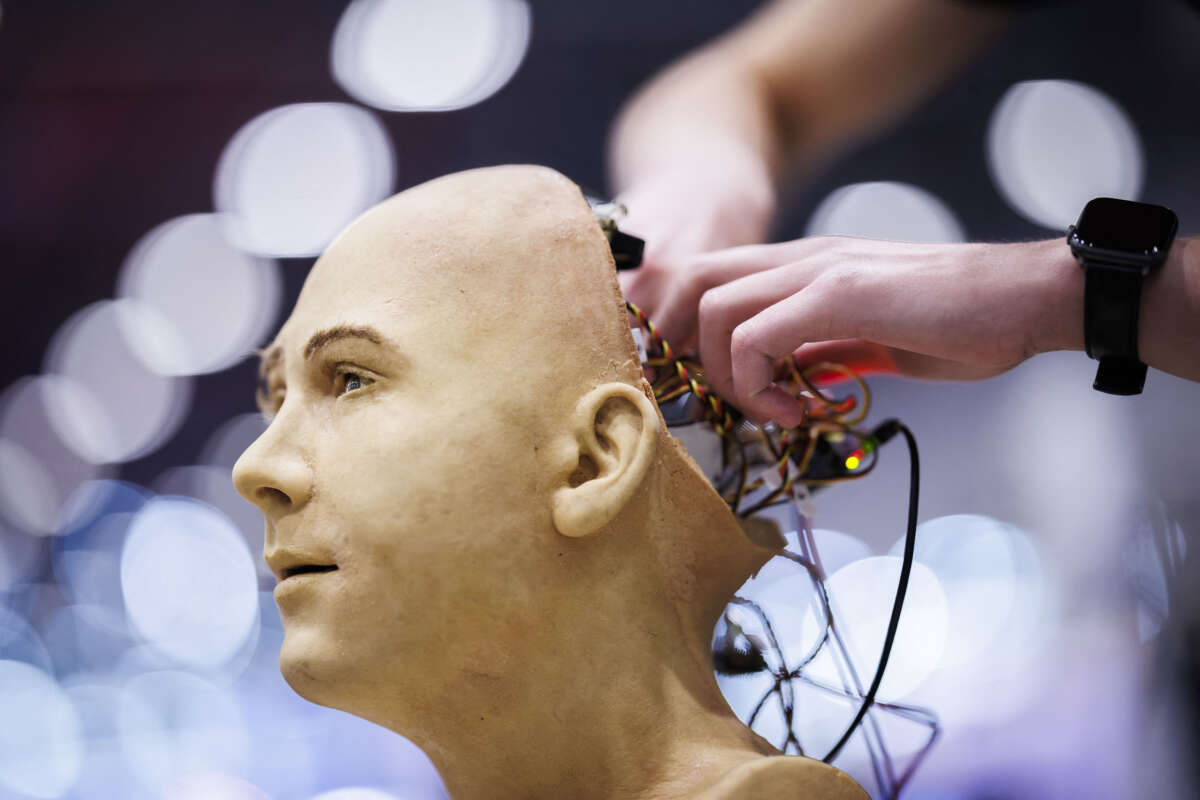
The term “artificial intelligence” may have been coined in 1956, but hype has been as integral to AI as the technology itself. This culture of exaggeration—once a bid for defense contracts, now the spark for billion-dollar investments—has consistently blurred the boundaries between innovation, ambition, and marketing spin.
The Birth of AI Hype: Roots in the Cold War
AI’s modern legacy traces back to the Dartmouth Workshop of 1956, bringing mathematicians and computer scientists together to discuss machine thinking. Pioneers like John McCarthy and Marvin Minsky set an audacious agenda, promising that computers could solve problems requiring human intelligence. Cold War anxieties about American supremacy shaped funding priorities, pushing these early researchers to claim world-changing advances—even when empirical support was scant.
The power of a compelling story, combined with geopolitics, initiated a decades-long tradition: arguing that computers could not only match but surpass human intelligence and capacity, especially in areas where reproducible, mechanized processes were valued by the military and government. The idea was simple: if people are just complex machines, then programmable machines could replace them, unlocking new efficiencies in defense and industry.
The Cycle Continues: Hype in the Modern AI Era
Fast forward to the present: The AI gold rush is accelerating. In the first half of 2024, global venture capital funding for AI and machine learning companies soared to $27.1 billion, nearly half of all VC investments for the quarter (CB Insights). Major headlines included Microsoft’s $10 billion investment in OpenAI and blockbuster fundraising by firms like Anthropic and Inflection.AI, with industry titans and wealthy backers placing billion-dollar bets on generative models and transformative algorithms.
This speculative frenzy mirrors the technology’s origins. Promoters often invoke analogies between brains and computers that overstate current capabilities, tapping into both investor fear-of-missing-out (FOMO) and a public desire for next-generation breakthroughs. Much like in the past, claims routinely leap ahead of scientific consensus, making promises about imminent human parity, from medicine and law to art and scientific discovery.
From Language Models to Legal Headaches: Modern Manifestations of Hype
As the investment stakes rise, AI’s reach has expanded into nearly every sector. In healthcare, tools promise to revolutionize diagnostics and treatment plans; in education, AI chatbots and grading algorithms claim to personalize learning; in finance and law, automation tools promise productivity, insight, and fairness. However, critical scrutiny reveals a more nuanced reality:
- Translation failures: In 2017, a Palestinian man’s innocuous Facebook post was mistranslated by automated software as a call to violence, resulting in wrongful arrest. Such failures in machine translation for complex or minority languages, especially in sensitive contexts like asylum or criminal proceedings, can have devastating consequences.
- Automated grading scandals: During the COVID-19 pandemic, UK students were assigned grades by a predictive algorithm, leading to widespread public outrage after many received unfair results tied to their schools’ historical performance, not their own work. Protests forced the government to reverse course, highlighting the social risks of “black box” AI decisions.
- Self-driving promises and perils: Tesla’s “Full Self-Driving” system, touted as a breakthrough, has been involved in fatal crashes and high-profile pileups. Investigations by the U.S. National Highway Traffic Safety Administration reveal that overpromised features can endanger road safety.
- Legal and academic mishaps: AI text generators like OpenAI’s ChatGPT have been misused in legal briefs and academic work, sometimes fabricating cases or outputting false references. In 2023, a U.S. lawyer was fined after citing non-existent legal precedents sourced from ChatGPT, underscoring the dangers of relying uncritically on AI outputs.
- Vaporware and toxic outputs: Meta’s 2022 demo of the Galactica model, designed to assist scientific research, was pulled within days after the scientific community exposed its tendency to hallucinate, fabricate sources, and even produce toxic content in a scientific guise.
Behind each failure lie oversold expectations, insufficient safeguards, and misplaced trust in unproven automation.
The Costs of Belief: Who Wins, Who Loses?
For tech companies and investors, AI hype is a lucrative product—driving share prices, venture capital, and access to government contracts. Nvidia, whose chips power many of today’s largest models, became the world’s most valuable company in June 2024, overtaking traditional tech leaders thanks to explosive demand (CNBC).
But this speculative energy risks overshadowing genuine innovation and public benefit. Overhyped AI systems can cause demonstrable harm—exacerbating societal biases, compromising safety, and eroding trust. In less visible ways, “AI-washing” can also defraud investors and customers, with firms dressing up traditional software as “AI-powered” to command higher valuations and win contracts.
Meanwhile, the global regulatory response scrambles to keep up. The European Union’s AI Act, finalized in 2024, attempts to categorize risks and set standards, but enforcement—and global harmonization—remain a moving target (EU Digital Strategy).
Separating Hope from Hype: A Way Forward
AI is already integrated into valuable tools—from spell-checkers to advanced medical imaging—but distinguished performance in narrow domains rarely translates to the all-purpose promise of “artificial intelligence.” The public, investors, and policymakers must cultivate AI literacy: learning to spot overpromised solutions, demand evidence, and support robust oversight.
Experts warn that resisting the pull of hype is not only about technical literacy but also about ethics, transparency, and governance. Questions of data sourcing, accountability, and consent, as addressed in works like The AI Con: How to Fight Big Tech’s Hype and Create the Future We Want (Harper, 2025), will shape the technology’s trajectory for years to come.
“When people can spot AI hype, they make better decisions about how and when to use automation, and they are in a better position to advocate for policies that constrain the use of automation by others.”
As venture capital and corporate marketing fuel new AI booms, the challenge is clear: foster innovation while defending against the risks of unwarranted trust. That means separating what’s truly transformative from what’s merely marketable—and holding the stewards of this powerful technology to higher standards than hype alone.


