
Appeals Court Allows Trump Administration to End TPS Protections for 60,000 Central American and Nepalese Migrants
By The Associated Press — August 20, 2025
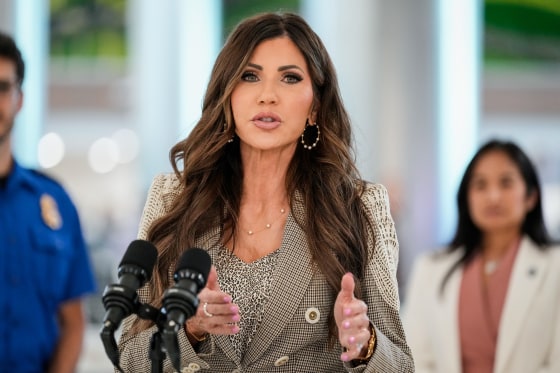
In a significant development for U.S. immigration policy, a federal appeals court on Wednesday allowed the Trump administration to move forward with its plan to terminate Temporary Protected Status (TPS) for more than 60,000 migrants from Honduras, Nicaragua, and Nepal. The decision, issued by the 9th U.S. Circuit Court of Appeals in San Francisco, reverses a previous lower court ruling which temporarily preserved legal status for these longstanding U.S. residents amid ongoing litigation.
What is Temporary Protected Status?
TPS is a humanitarian program enacted by the U.S. Congress in 1990 to grant lawful status, work authorization, and deportation relief to migrants whose home countries have been severely affected by armed conflict, natural disasters, or other extraordinary and temporary conditions. Recipients can reside and work legally in the United States but must periodically renew their status.
Over the last three decades, TPS has become a lifeline for people from countries such as El Salvador, Honduras, Haiti, Nepal, and more recently Ukraine and Afghanistan. Many recipients have built lives in the United States—raising families, starting businesses, and contributing significantly to their communities and local economies.
The Court Decision and Its Impact
The three-judge panel, comprised of appointees from both Republican and Democratic presidents, granted the emergency stay as the National TPS Alliance, representing affected migrants, presses its legal challenge. The court’s order means approximately 7,000 Nepalese whose TPS status expired August 5, along with 51,000 Hondurans and 3,000 Nicaraguans facing status expiration on September 8, could soon lose their protected status and become eligible for deportation if no further action is taken.
According to the U.S. Citizenship and Immigration Services, more than 400,000 people from a dozen countries currently benefit from TPS or similar humanitarian programs. After the court’s decision, advocacy groups have warned of a humanitarian crisis, as many TPS holders have deep roots in the U.S., with American citizen-children and family ties that span decades.
Government Rationale and Opposition
Homeland Security Secretary Kristi Noem and the Trump administration have pursued a restrictive immigration agenda, arguing that conditions in countries like Honduras and Nicaragua have “sufficiently improved” since disasters such as Hurricane Mitch in 1998, and that TPS was always meant as a temporary measure. In a statement, DHS spokesperson Tricia McLaughlin asserted, “TPS was never meant to be a de facto asylum system, yet that is how previous administrations have used it for decades.”
Immigration rights groups, legal counsel, and Democratic lawmakers counter that policy decisions are being driven by anti-immigrant sentiment and overlook the realities of violence, poverty, and political instability in origin countries. Jessica Bansal, an attorney at the National Day Laborer Organization, warned, “The Trump administration is systematically de-documenting immigrants who have lived lawfully in this country for decades, raising U.S.-citizen children, starting businesses, and contributing to their communities.”
Life in Limbo: Migrants and Their Families
Many TPS holders from these groups are essential workers—employed in construction, healthcare, and service sectors. According to the Center for American Progress, more than 300,000 U.S. citizen children have at least one parent with TPS. Advocates say ending TPS could separate families, destabilize communities, and cost the U.S. economy billions in lost labor and tax revenue.
“Our members have lived here for over two decades, with no homes or relatives left in Central America,” said a spokesperson for the National TPS Alliance. “This decision puts their lives in jeopardy and undermines America’s tradition of offering protection to the vulnerable.”
Legal Battles and Future Implications
The legal battle is far from over. The next scheduled hearing in the case is November 18, as the plaintiffs continue to argue that the administration failed to conduct a proper analysis of current conditions in the migrants’ home countries and acted in violation of administrative law.
Some immigration advocates are hopeful that the case may ultimately reach the U.S. Supreme Court, which earlier this year allowed the Trump administration to end TPS protections for Venezuelans in a separate emergency appeal, setting a precedent for other cases. The lack of detailed legal guidance for lower courts has led to a patchwork of rulings, further fueling uncertainty.
International and Diplomatic Reaction
The government of Honduras expressed dismay at the decision. Deputy Foreign Minister Gerardo Torres remarked, “It’s unfortunate. For the thousands of Hondurans who have established their lives and contributed to American society, we urge compassion and consideration for legal alternatives.”
International organizations, including the United Nations and Human Rights Watch, have repeatedly warned that mass deportations could overwhelm fragile countries already facing gang violence and the aftershocks of climate-related disasters. The move could also strain U.S. relations with Central American governments seeking continued humanitarian relief for their citizens abroad.
A Broader Shift in American Immigration Policy
The Trump administration, since taking office, has pursued policies dramatically reducing humanitarian relief, including ending or limiting DACA (Deferred Action for Childhood Arrivals), narrowing asylum eligibility, and increasing interior enforcement. Since 2017, TPS protections have also been terminated or allowed to expire for Haitians, Salvadorans, Sudanese, and Cameroonians, further shrinking avenues for long-term legal migration.
Critics say these measures run counter to longstanding American values and economic interests, while supporters argue they restore the rule of law and regularity to what has been labeled by some policymakers as an “abused system.”
Looking Ahead
For TPS holders from Honduras, Nicaragua, and Nepal, the ruling introduces immediate uncertainty about their futures. As court challenges continue and political rhetoric around immigration intensifies ahead of the 2026 midterm elections, the fate of tens of thousands of families hangs in the balance.
Key Takeaway: The federal appeals court’s decision marks a significant shift for humanitarian status in the United States, with broad ramifications for communities, the national economy, and the very meaning of humanitarian aid in American society. Policymakers, business leaders, and immigrant advocates will be watching closely as legal and political battles move forward.


