
Bitcoin Plunges Near $113,000 as $1.5 Billion Crypto Liquidations Rock Market
Author: Ayushman Ojha | Published: September 23, 2025
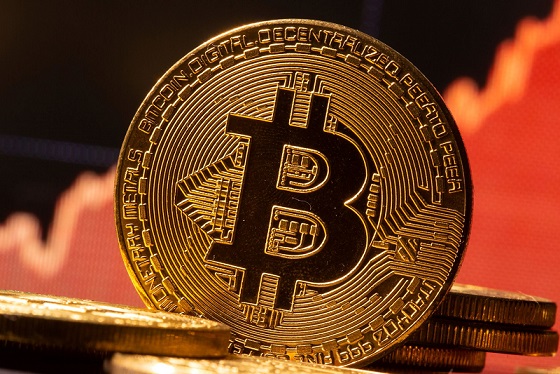
The cryptocurrency market was rattled on Tuesday as Bitcoin hovered perilously close to the $113,000 mark—a decline that follows a sweeping $1.5 billion in crypto derivatives liquidations. The chain reaction has spotlighted heightened volatility, regulatory concerns, and a major options expiry that could dictate the sector’s short-term future.
At 01:55 ET (05:55 GMT), Bitcoin traded at $112,711, registering a 0.1% downturn—its lowest point in two weeks. This marked an ongoing slump as traders and investors absorb aftershocks from Monday’s forced unwinding of leveraged bets, and brace for further turbulence surrounding the Federal Reserve’s next moves.
Liquidations Top $1.5 Billion: Major Markets Roiled
On Monday, the digital assets space was rocked as $1.5 billion worth of long positions were wiped out across a variety of cryptocurrencies, according to derivatives analytics firm Coinglass. This was the largest single-day washout in months. Bitcoin briefly fell over 3% below $112,000 before regaining partial ground.
More than 400,000 traders saw their leveraged bets erased, with major altcoins such as Ethereum (ETH) dropping as much as 9%. Altcoins including Solana (SOL), Cardano (ADA), Polygon (MATIC), and meme token Dogecoin (DOGE) registered losses ranging from 1.5% to 5.7%. Ether, the world’s second-largest digital currency, closed the day below $4,200 after hitting its lowest level in a month.
Market analysts attribute the extreme moves to a confluence of thin liquidity, overextended market positioning, and an increase in directional options trading. When leveraged positions are unwound quickly, it can create a cascade of sell orders that intensifies price drops and triggers further margin calls.
Options Expiry Looms: Markets Brace for Volatility
The volatility is expected to persist due to a crucial options expiry event on the horizon. Over $23 billion worth of Bitcoin and Ether options are set to expire this Friday, according to leading crypto derivatives exchange Deribit—a record amount. Large expiries often catalyze sharp price moves as traders adjust or unwind positions to avoid massive losses, increasing short-term unpredictability.
“The sheer size of this expiry is unprecedented,” noted crypto strategist Adam Reynolds of Cipher Hedge Fund. “As these contracts roll off, we expect further volatility—potentially both ways—as institutional and retail players reposition for the next cycle.”
Federal Reserve, Inflation Data Add to Uncertainty
Outside the crypto ecosystem, broader macroeconomic conditions are amplifying anxiety. All eyes are on Federal Reserve Chair Jerome Powell, who is expected to speak later in the day following last week’s 25 basis point rate cut. Rate moves and inflation data are key for digital assets, which have increasingly tracked macro risk sentiment in recent years.
Last week, the Fed’s “dot plot” suggested two additional rate cuts were possible this year, but Powell and other Fed officials have adopted a cautious tone as core inflation remains above the target level. Friday’s U.S. core Personal Consumption Expenditures (PCE) index—widely regarded as the Fed’s preferred inflation gauge—adds another layer of uncertainty for crypto investors.
Historically, lower interest rates and a dovish Fed outlook tend to benefit riskier assets, including Bitcoin. However, persistent inflation or policy surprises could create renewed headwinds for the market.
Regulatory Watch: China Tightens Grip on Tokenization
Regulatory developments remain central to sentiment. Reuters reported that China’s securities regulator has quietly instructed some mainland brokerages to halt real-world asset (RWA) tokenization activities in Hong Kong. The move signals China’s growing caution about a rapid expansion of offshore digital asset products and the desire for tighter oversight.
Tokenization of real-world assets—such as bonds and property—is gaining ground in Hong Kong’s drive to become a digital finance hub, but Beijing’s cautious stance may slow growth in this sector. Market sources suggest the China Securities Regulatory Commission aims to ensure products are tied to legitimate businesses and robust risk management standards.
Over the last year, Hong Kong has been actively promoting itself as a global crypto hub with regulatory sandboxes and licensing initiatives. However, China’s latest guidance may dampen enthusiasm among brokerages seeking to capitalize on the tokenization trend, potentially impacting regional digital asset flows.
Altcoins Suffer as Meme Tokens Weaken
Among major altcoins, Ethereum fell 1.8% on Tuesday to $4,190 after its dramatic 9% plunge the previous day. Solana retreated nearly 4%, Cardano lost 2.2%, and Polygon dropped 3%. XRP, meanwhile, edged up 0.4% to $2.87 but had just hit a three-week low. Meme tokens like Dogecoin and $TRUMP posted respective losses of 1.7% and 5.7%.
By market capitalization, the broader crypto universe lost nearly $80 billion in value in the 48 hours spanning the liquidation event, according to CoinMarketCap data. Volatility indexes hit multi-week highs, with trading volumes surging as both institutional and retail investors scrambled to manage margin calls.
Global Context: Institutional Adoption Faces Test
The selloff comes at a pivotal time for institutional crypto adoption. Despite approvals for multiple spot Bitcoin ETFs by major U.S. regulators earlier this year, institutional flows have become choppier in the face of macroeconomic and regulatory uncertainties.
Glassnode data reveals that while long-term holders remain steady, short-term traders have exhibited heightened sensitivity to market swings. The resurgence of volatility and leverage liquidations is a stark reminder that the crypto market’s path to maturity will not be smooth or linear.
Going forward, the sector’s resilience will depend on how quickly liquidity returns, regulatory clarity, and the outcome of the massive options expiry at week’s end.
For investors and traders, risk management is paramount as digital assets reaffirm their reputation for dramatic swings—reminding all participants that the path to widespread adoption is paved with both innovation and turbulence.


