
Can Trump Really Take Over American Cities? The Debate Over Federal Power and Urban Autonomy
By Justin Klawans
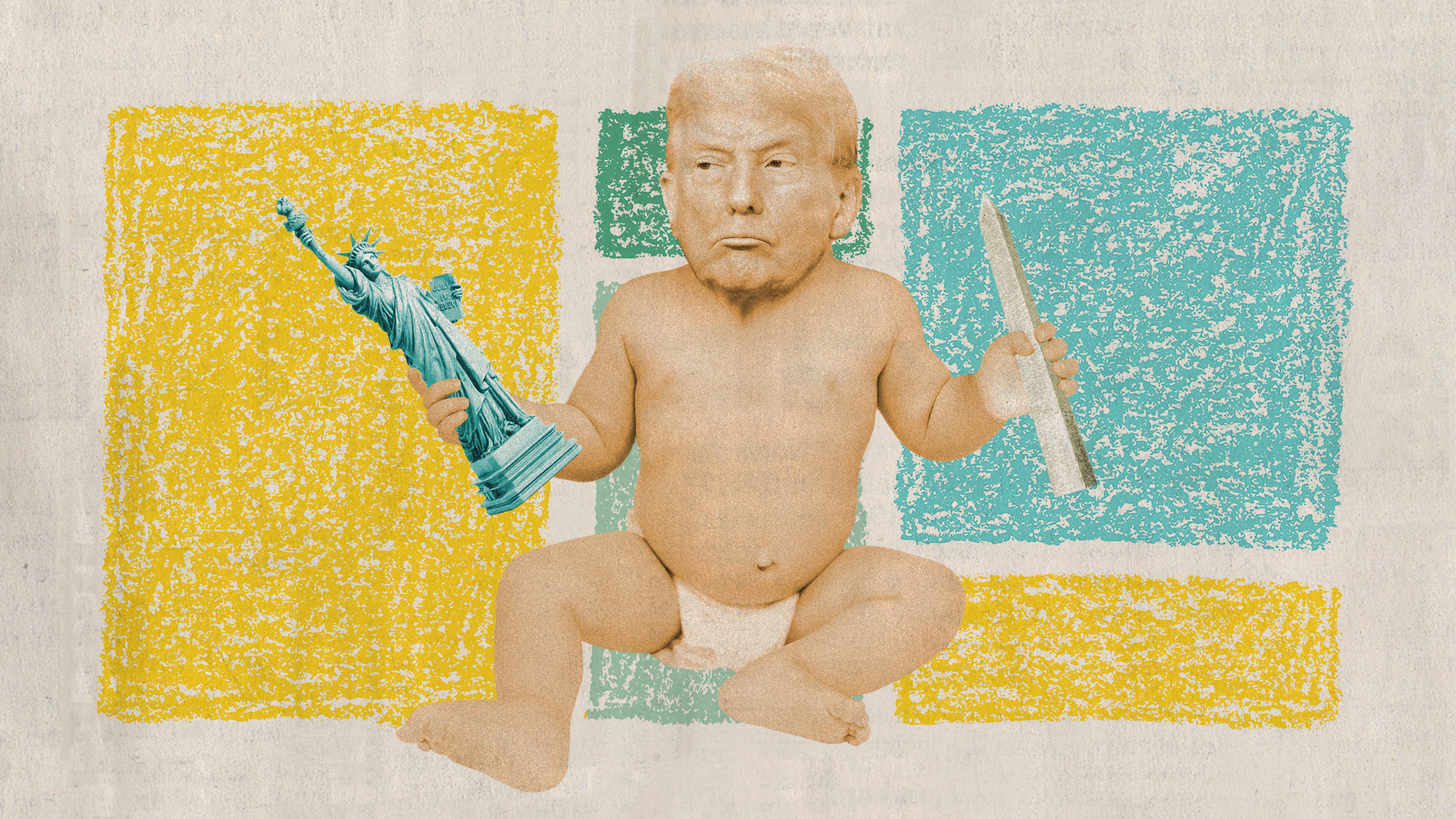
Federal Intervention in US Cities: Trump’s Rhetoric and Reality
The question of federal authority over America’s largest cities has surged back into the headlines, following former President Donald Trump’s recent declarations that he may use the powers of the presidency to “run” or federally “take over” urban areas such as New York City and Washington, D.C. Trump’s comments, delivered at a Cabinet meeting and amplified during public speeches, have reignited fears among political commentators, legal scholars, and city leaders regarding the boundaries of executive power and the sanctity of local governance.
“We have tremendous power at the White House to run places when we have to,” Trump stated, suggesting a willingness to intervene directly in the affairs of major cities, particularly those led by Democratic officials such as New York’s mayoral candidate Zohran Mamdani. Trump’s rhetoric has renewed debate about the role of the federal government amid ongoing partisan tensions over issues like crime, immigration, and urban management.
The Legal Barriers – Could a President Really Take Over Cities?
On the legal front, many constitutional experts argue that the powers of the US presidency stop well short of permitting any wholesale federal takeover of municipalities. According to Richard Briffault, a Columbia Law Professor, “Trump cannot take over the city, period.” City charters, state constitutions, and the US Constitution itself vest the authority over local affairs predominantly in state and municipal governments.
However, as Briffault and others caution, while the president cannot seize direct administrative control, there are “lots of ways he can interfere with or harass” targeted cities. Available tools include federal investigations, grant funding clawbacks, agency regulations, targeted law enforcement actions, and, in extremis, deployment of federal agents. For example, Trump’s previous administration deployed federal agents to Portland, Oregon, during the 2020 protests—sparking controversy and local backlash.
In the unique case of Washington, D.C., Congress already maintains broad authority to oversee or even override local laws, distinguishing the federal district from other American cities. This creates a more direct—though still contentious—avenue for executive interference at the heart of American government.
Recent Political Context: From Crime to National Guard Deployments
Trump’s focus on crime and public disorder in urban centers has established the political groundwork for his proposals. Despite his claims of surging violence, recent data from the Metropolitan Police Department of Washington D.C. shows that violent crime in the city has decreased by 25% year-over-year, and overall crime is down 8% as of July 2025. New York City has also documented declines in homicide and other violent crimes so far in 2025, according to NYPD statistics released in June.
Nonetheless, Trump has repeatedly invoked the use of “tremendous power” to address what he calls the “chaos” and “liberal mismanagement” of Democratically controlled metropolitan areas. His comments align with a broader conservative narrative, often echoed on right-leaning media, that frames progressive-run cities as beset by crime and fiscal irresponsibility, requiring robust federal intervention.
During his previous term, Trump threatened and, in some cases, initiated the deployment of federal law enforcement or National Guard troops to control protests, enforce immigration law, and support urban policing efforts. Deployment of the National Guard domestically is governed by the Posse Comitatus Act, requiring either state consent or, in extraordinary cases, invocation of the Insurrection Act—a rarely used law, last activated in 1992 during the Los Angeles riots.
Expert Views: Overreach or Political Theater?
Political analysts remain divided about whether Trump’s latest threats represent a serious policy agenda or are simply “political saber rattling”. As Politico opined, his proposals may be an escalation of rhetoric designed to galvanize his base, project strength, and put Democratic opponents on the defensive rather than signal imminent federal intervention.
Yet, as Bloomberg observed, Trump continues to be vague about the specific actions he would take, leaving critics and supporters alike to speculate about how—or even if—such promises would materialize as concrete executive action. If enacted, experts stress, such measures would face immediate legal challenges in federal courts and could provoke constitutional crises over separation of powers, federalism, and the rights of states and municipalities.
Urban Autonomy and the 2024 Election Context
The renewed focus on federal intervention in cities comes against the backdrop of the 2024 presidential election. Urban areas remain Democratic strongholds, while Trump enjoys deep support in rural and many suburban regions. Polls show more than 60% of Americans believe matters like policing and local governance should remain primarily under local control. Meanwhile, recent Supreme Court decisions have leaned towards enhancing presidential authority over federal agencies and, in rare cases, state actions.
Notably, fears of “authoritarian overreach” have become central to Democratic campaigning, with President Biden and other leaders framing Trump’s statements as dangerous and antithetical to American traditions of self-government.
What Next? Legal Tests and Political Stakes
Whether Trump, if elected or empowered, would test the boundaries of federal control over cities is an open question. Any such move would likely be met with coordinated resistance from city and state governments, immediate lawsuits, and protests from advocacy organizations, including the American Civil Liberties Union, which has signaled readiness to challenge any unconstitutional federal overreach.
Ultimately, Trump’s remarks highlight ongoing tensions in American democracy: a struggle between centralized executive authority and the foundational principle of local self-governance. As the 2024 campaign season heats up, the debate over who controls America’s cities—and by extension, national political direction—appears set to intensify.


