
CDC Issues Travel Warning Amid Rapid Chikungunya Virus Outbreak in China
August 5, 2025 | By Greg Norman
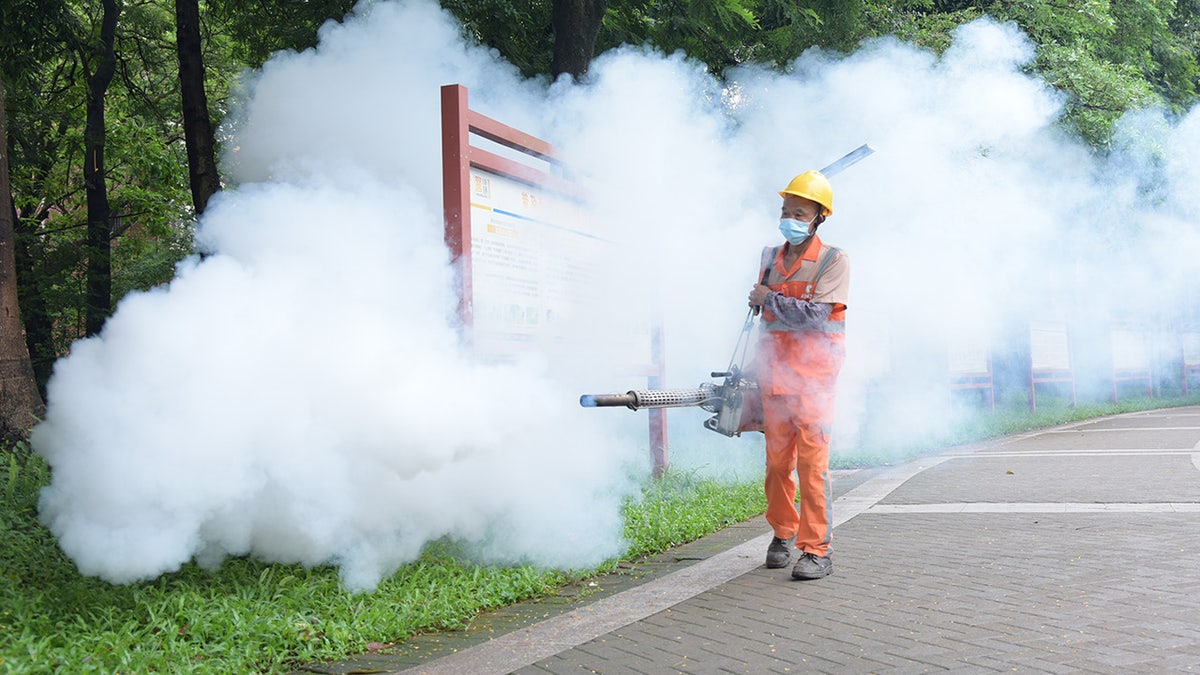
Rapidly Rising Chikungunya Cases Prompt CDC Alert
The U.S. Centers for Disease Control and Prevention (CDC) has issued an urgent travel advisory for Americans planning to visit China, triggered by an unprecedented outbreak of the mosquito-borne chikungunya virus in the southeastern Guangdong province. Since early June 2025, health authorities in the region have reported more than 7,000 confirmed cases, with the bulk of infections centered in the populous city of Foshan. The outbreak marks one of the most significant surges of the virus in East Asia in recent years and has prompted a swift, multipronged response from Chinese local and national health agencies.
Understanding Chikungunya: Symptoms and Risks
Chikungunya is transmitted primarily by Aedes mosquitoes—the same genus responsible for spreading dengue and Zika viruses. According to the CDC, “most people infected with chikungunya virus develop symptoms,” typically beginning 3–7 days post-exposure. Common manifestations include high fever and debilitating joint pain. Other symptoms may feature headaches, muscle pain, swelling of the joints, and skin rashes. For most patients, recovery occurs within a week; however, some individuals, especially those with underlying conditions or advanced age, may suffer persistent joint pain for months or even years.
“People at risk for more severe disease include newborns infected around birth, older adults (65+), and those with chronic illnesses such as diabetes or heart disease. Fatalities are rare, and currently, there is no specific antiviral treatment for chikungunya,” the CDC notes. Supportive care remains the primary approach for symptom management.
Containment Efforts: Innovation and Community Action
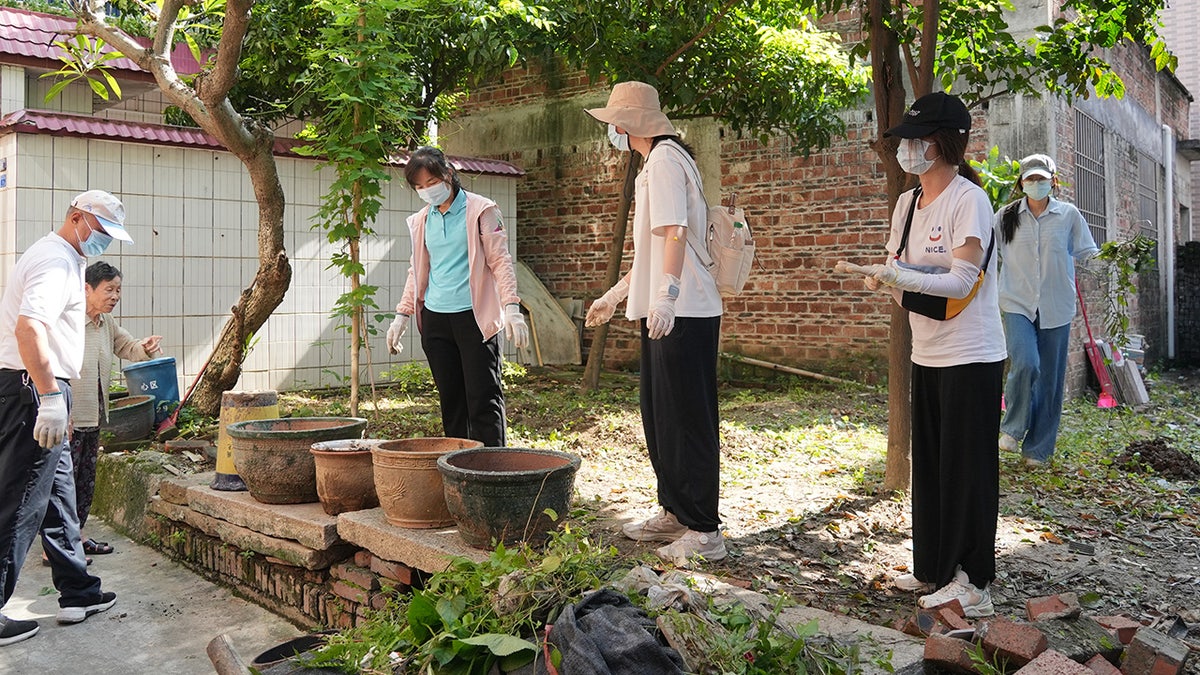
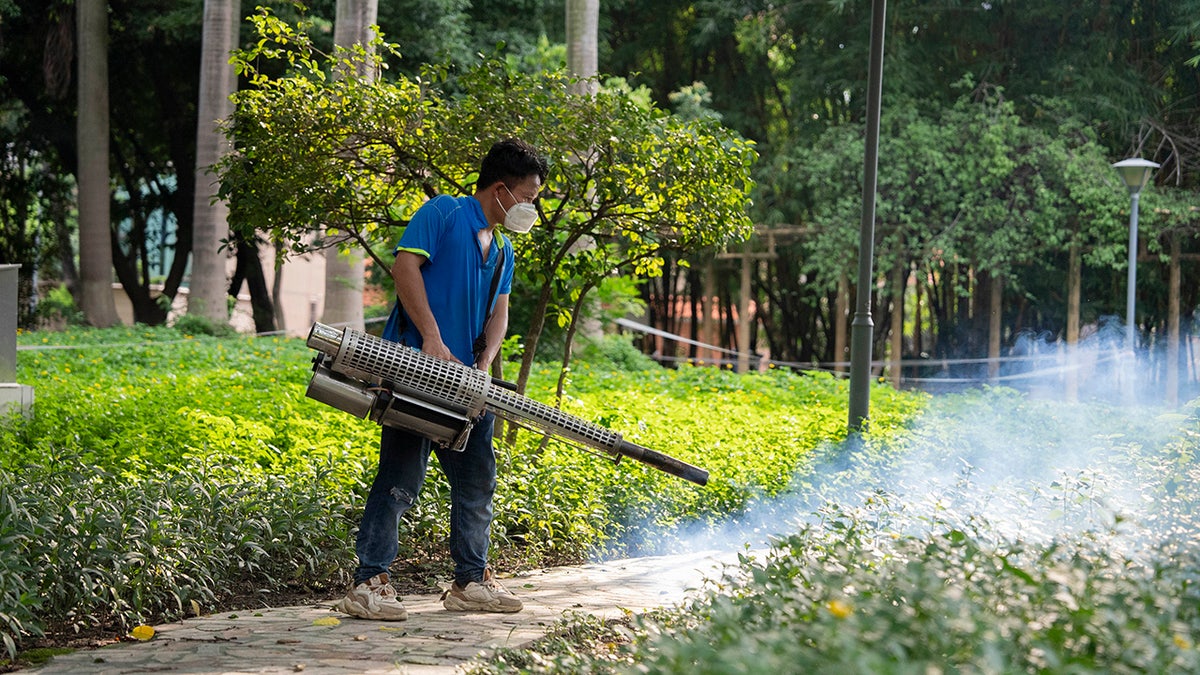
Chinese health officials have enacted aggressive vector control measures to arrest the virus spread. These include the innovative use of drones to pinpoint mosquito breeding hotspots on rooftops and other hard-to-reach areas. Sanitation workers are systematically spraying insecticide in public and private spaces, while community volunteers and staff distribute mosquito repellent at building entrances. Additionally, authorities have released mosquito-eating fish into standing water bodies to minimize larval development.
The city of Foshan and neighboring municipalities have seen enhanced cleaning and upkeep of urban green spaces, a key step since stagnant water is essential for mosquito breeding. Residents have also been encouraged to use window screens, sleep under bed nets, and eliminate standing water near their homes. Educational materials on personal protection and early symptom identification have been widely disseminated via public campaigns.
Global Context: Chikungunya’s Expanding Reach
The rapid escalation in China is part of a broader global trend. The European Centre for Disease Prevention and Control reports that as of July 2025, approximately 240,000 chikungunya cases have been recorded across 16 countries and territories, with at least 90 deaths. Other notable outbreaks have been identified in countries such as Bolivia, Kenya, Sri Lanka, and throughout Southeast Asia. Travel advisories now extend to Brazil, Colombia, India, Mexico, Nigeria, Pakistan, the Philippines, and Thailand, where elevated risks for the infection persist.
Climate change and increased urbanization are believed to be driving factors enabling the proliferation of mosquitoes in new geographies, resulting in recurrent and more severe outbreaks globally. Experts warn that urban development without adequate drainage or sanitation significantly amplifies vector breeding, as witnessed in several affected cities this year.
CDC Recommendations and Emerging Tools
In its advisory, the CDC urges travelers to China and other affected areas to adopt multiple preventive measures:
- Use EPA-registered insect repellents containing DEET, picaridin, or IR3535.
- Wear long-sleeved shirts and long pants, especially during dawn and dusk when mosquitoes are most active.
- Stay in accommodations with air conditioning or window and door screens to prevent mosquito entry.
- Sleep under permethrin-treated bed nets if staying in areas where vectors are prevalent.
- Eliminate sources of standing water near lodging.
Of note, two chikungunya vaccines have recently been approved in the United States, a significant breakthrough for travelers and residents in endemic regions. The CDC recommends vaccination for those at high risk who are traveling to or residing in outbreak zones, though the rollout and global availability of these vaccines are still scaling up.
If symptoms such as fever, severe joint pain, headache, muscle aches, or rash develop during or after travel, individuals are advised to seek medical care promptly for proper diagnosis and management.
Public Health Implications and Looking Ahead
The chikungunya outbreak comes as China and the global community are still grappling with other mosquito-borne threats, including dengue and Japanese encephalitis. The rapid international dissemination of chikungunya highlights the importance of persistent surveillance, investment in vector control infrastructure, and robust international cooperation in managing emergent and re-emergent infectious diseases.
Public health officials worldwide are watching the Guangdong outbreak closely as a potential bellwether for how climate, regional policy, and travel can influence the global spread of vector-borne illnesses. The CDC, World Health Organization, and local agencies urge ongoing vigilance and personal prevention as the outbreak continues to unfold.


