
CDC Issues Travel Warning Over Chikungunya Virus Outbreak in China
August 2025 – Global Politics & Trade News
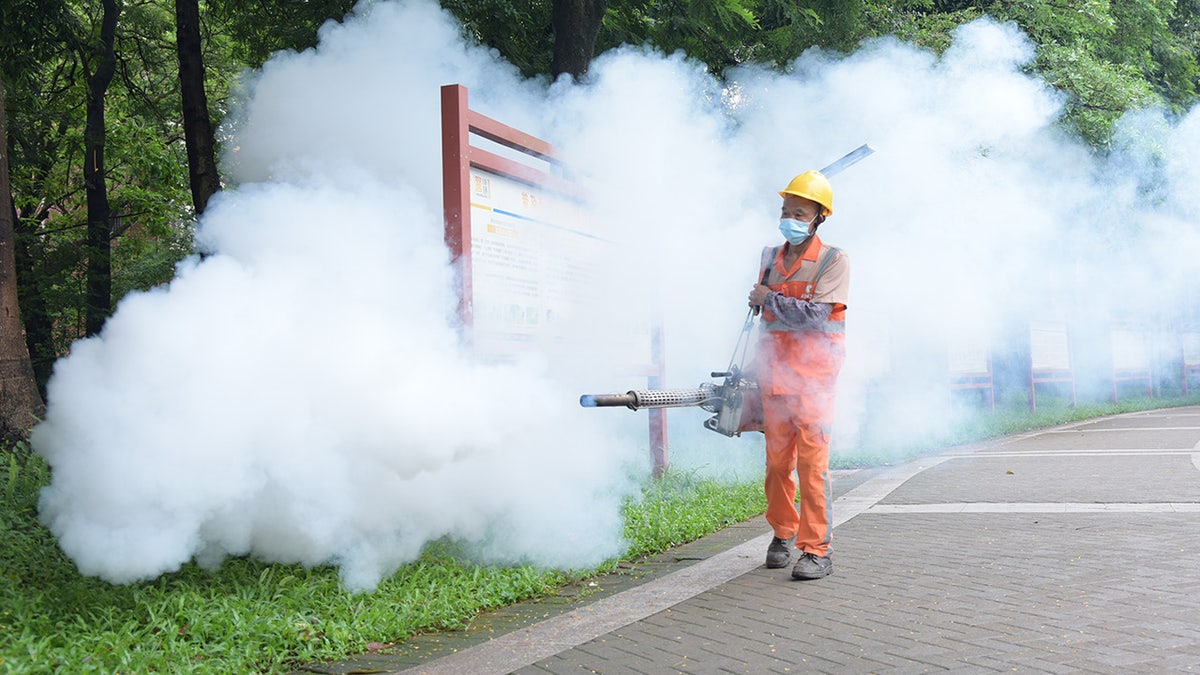
Chikungunya Virus Outbreak Escalates in China
The US Centers for Disease Control and Prevention (CDC) has sounded the alarm for travelers heading to China, following a significant outbreak of the mosquito-borne chikungunya virus. The travel health notice, issued in August 2025, recommends Americans take “enhanced precautions” amid rapidly rising case numbers in Guangdong province, particularly the city of Foshan.
Chinese health authorities have reported over 7,000 confirmed cases since June 2025, making this the largest documented outbreak in China’s recent history. Guangdong, known for its subtropical climate and dense population, provides an ideal environment for the Aedes species mosquitoes that transmit the virus.
Symptoms and Risks Associated with Chikungunya
Chikungunya infection typically begins 3–7 days after being bitten by an infected mosquito. Common symptoms include:
- Acute fever
- Severe joint pain and swelling
- Muscle pain
- Headache
- Skin rash
While most patients recover within a week, up to 40% can experience persistent joint pain for months, significantly impacting quality of life. Individuals at higher risk for severe outcomes include newborns, the elderly, and those with pre-existing conditions such as heart disease and diabetes. However, fatalities remain exceedingly rare according to both CDC and World Health Organization data.
Unprecedented Public Health Response in China
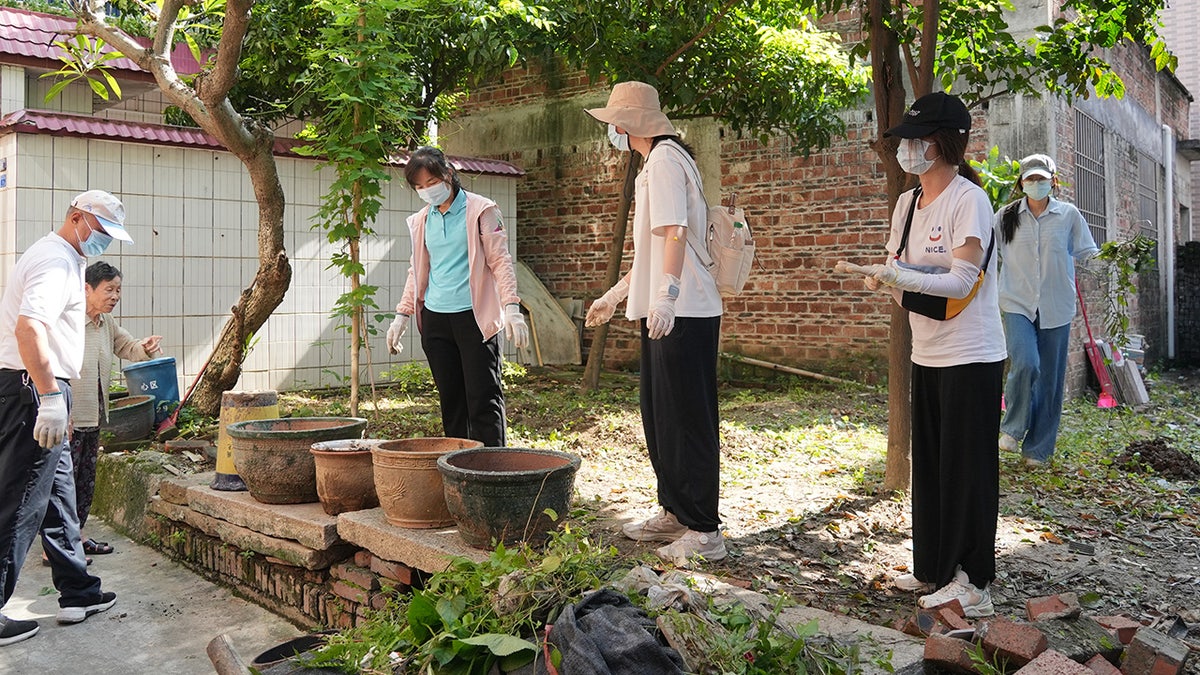
To curb the outbreak, Chinese authorities have deployed cutting-edge interventions:
- Drones surveilling mosquito breeding grounds, especially in urban areas and waterlogged spaces
- Widespread insecticide spraying in both public and residential zones
- Distribution of mosquito repellents and health information to citizens
- Mosquito-eating fish introduced in standing water to naturally reduce mosquito populations
Health care facilities have ramped up disinfection protocols. In many cases, entry into buildings is conditioned on being sprayed with repellent, an unprecedented measure reflecting the seriousness of the outbreak.
Global Context: Chikungunya’s Ongoing Threat
The crisis in China is part of a wider resurgence of chikungunya across the globe. The European Centre for Disease Prevention and Control (ECDC) reports roughly 240,000 cases in 16 countries so far in 2025, associated with at least 90 deaths, mainly in areas with less robust healthcare infrastructure.
Aside from China, active outbreaks are being reported in Bolivia, Kenya, Sri Lanka, and the Philippines. Countries such as Brazil, Colombia, India, Mexico, Nigeria, Pakistan, and Thailand have all recorded elevated case numbers in 2025.
The chikungunya virus, once limited to Africa and Asia, has gained a geographic foothold in the Americas and Europe due to increased global travel and climate conditions favoring mosquitoes.
Travel Precautions and CDC Recommendations
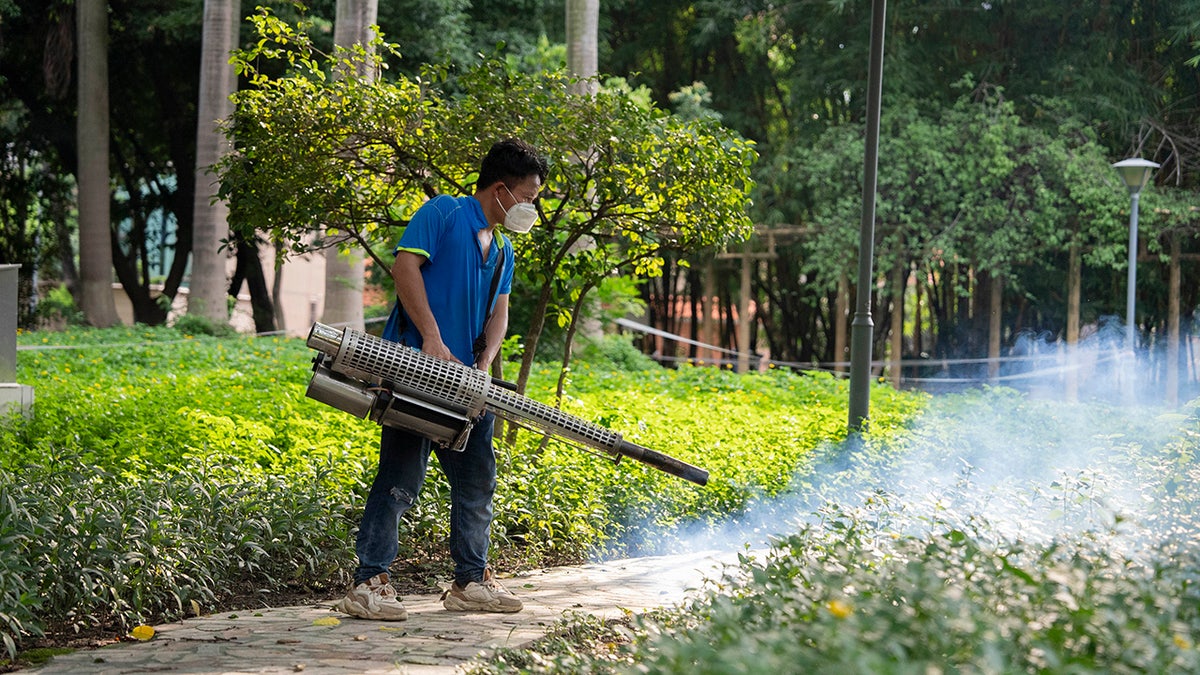
The CDC and WHO urge travelers to China and other affected countries to adopt strict protective measures to reduce the risk of mosquito bites, including:
- Wearing long-sleeved shirts and pants, especially outdoors
- Applying EPA-registered insect repellents (such as those containing DEET or picaridin)
- Staying in accommodations with air conditioning, window screens, or bed nets
- Avoiding outdoor activity at peak mosquito feeding times (dawn and dusk)
Travelers are also advised to seek medical attention promptly if they develop symptoms such as sudden fever, joint pain, or rash either during or after their visit to an affected region.
Vaccines and Treatments: Latest Developments
In a pivotal shift for public health, two chikungunya vaccines have recently gained regulatory approval in the US and European Union. Valneva’s IXCHIQ™ (approved by the FDA in November 2023) is available for adults at risk, especially travelers and public health workers in outbreak locations. The CDC recommends vaccination for those traveling to, or residing in, outbreak areas.
Despite these developments, no direct cure for chikungunya exists. Medical care focuses on managing symptoms with fluids, rest, and medication for pain and fever. Research continues into antiviral treatments, but prevention remains the cornerstone of global strategy.
Impacts on Trade, Mobility, and Regional Policy
With southern China home to some of the nation’s most critical manufacturing and export zones, the outbreak risks wider economic and logistics disruptions. Local governments have implemented restrictions on mass gatherings and outdoor work during peak mosquito hours. Companies in Guangdong’s urban centers have introduced remote work and staggered shifts to reduce exposure.
Neighboring countries are on high alert for imported cases, intensifying cross-border health surveillance and issuing their own advisories. Global travel agencies are updating guidance, while insurers adjust coverage terms for travelers to affected zones.
The World Health Organization has praised China’s rapid mobilization but reiterates that sustained efforts—both local and international—are essential to prevent further spread. Climate change, urbanization, and global travel all contribute to the increasing incidence of mosquito-borne diseases, making coordinated responses more critical than ever.
Further Information
For the latest updates and traveler resources, visit the CDC’s Chikungunya Outbreak Notice. For further details on vaccine availability and health recommendations, consult your healthcare provider prior to travel.
If you experience fever, joint pain, or rash after visiting South or Southeast Asia, seek medical care immediately and inform your provider about your travel history.


