
Delta Air Lines Doesn’t Make Money Flying — Here’s Its Real Business
Published: August 13, 2025 | By Christy Rakoczy
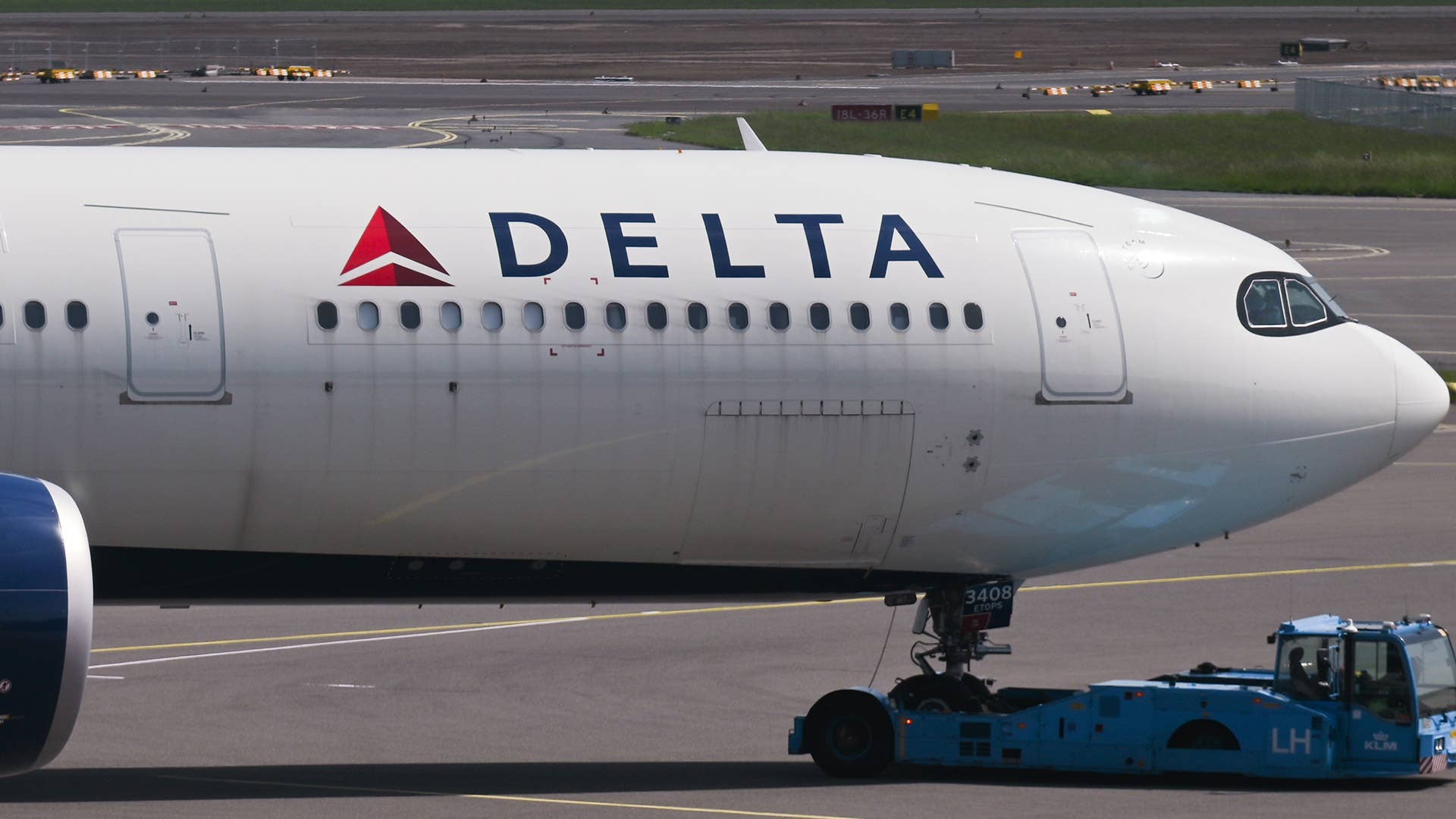
The Surprising Reality of Airline Profits
For decades, Delta Air Lines has been one of the titans of U.S. aviation, operating thousands of domestic and international flights daily. Yet, in the complex post-pandemic travel landscape, the airline’s real financial engine is not what most passengers might expect. While ticket sales remain substantial, Delta’s core profitability increasingly comes from sources outside flying seats from point A to B.
As of the company’s latest SEC filings and 2025 earnings reports, Delta’s pre-tax profit margins from actual air travel continue to struggle under persistent cost and competitive pressures. But thanks to a sophisticated blend of loyalty programs, credit card partnerships, and ancillary businesses, the company remains a financial juggernaut.
Delta SkyMiles: More Than Just Frequent Flyer Points
Central to Delta’s profitability is the SkyMiles loyalty program, one of the world’s largest and most lucrative. Members earn miles through flying, but—far more significantly—by spending on Delta’s co-branded American Express credit cards. In 2024 alone, Delta’s agreement with American Express netted the airline over $6.5 billion in revenue, according to the company’s annual investor presentation.
These revenues come from transaction fees paid by American Express and from the sale of miles to financial and retail partners. This symbiotic relationship ensures that even as airfare yields fluctuate, the loyalty ecosystem remains a steady and growing revenue stream. With more than 100 million SkyMiles members globally, Delta has successfully turned loyalty into a cash cow.
Credit Card Partnerships: The Real Jackpot
The Delta–American Express co-branded credit cards have been a game-changer. Cardholders spend billions annually, generating significant interchange and membership fees. Delta receives a cut every time customers use the card, regardless of whether it’s for travel or ordinary purchases.
In its Q2 2025 financial results, Delta reported that its American Express partnership contributed nearly 11% of its overall revenue. The agreement, recently renewed through 2030, is expected to surpass $8 billion in annual value within the next five years. This makes Delta’s credit card program one of the most lucrative of any airline worldwide.
Corporate Travel and Ancillary Businesses
In addition to loyalty and card partnerships, Delta’s diversified model includes significant ancillary revenue channels. The airline has expanded aggressively in corporate travel management, cargo transport, aircraft maintenance, and airport lounge access through its premium Sky Club network. Delta’s Delta One and Delta Premium Select products, catering to business and high-net-worth travelers, contribute high-margin income thanks to the resurgence in business travel demand.
Furthermore, Delta has made strategic investments in maintenance, repair and overhaul (MRO) services, supporting not just its own fleet but also aircraft for dozens of other airlines globally. In 2024, Delta TechOps brought in over $1 billion in outside MRO revenue, making Delta a leading name in aviation services.
The Economics of Airline Operations
The reality for legacy carriers like Delta is that the airline business itself is notoriously low margin. Fuel, labor, airport fees, and regulatory compliance generate substantial costs, often leaving little room for profit. Moreover, in the cutthroat U.S. market, competitors such as United and American are locked in fierce price wars, undercutting fares and incentivizing customer loyalty through ever more generous perks.
According to the International Air Transport Association (IATA), global airline net profit margins averaged just 2.7% in 2023, with U.S. carriers faring slightly better but facing persistent headwinds from inflation and geopolitical instability.
Post-Pandemic Recovery and Future Strategies
Since the COVID-19 pandemic, Delta and its peers have embraced business model innovation. While leisure travel rebounded strongly in 2023 and 2024, changing traveler expectations and persistent economic uncertainty prompted carriers to double down on reliable revenue from loyalty, card partnerships, and premium experiences.
Delta’s CEO Ed Bastian emphasized in May 2025 earnings calls that the “resiliency of our diversified revenue streams has enabled Delta to invest in fleet renewal, sustainability, and delivering a premium product even amid industry volatility.”
The airline has announced new routes and has continued rolling out expanded Sky Club lounges in major hubs—including New York JFK, Atlanta, and Los Angeles—to lure premium travelers. Furthermore, next-generation booking technology and personalized experiences through its digital app ecosystem continue to set Delta apart from rivals.
Industry Implications: The New Normal for Airlines
Delta’s financial success is emblematic of a wider trend in aviation: flying may be the product, but loyalty and financial partnerships are the profit center. American Airlines and United have also leaned heavily into credit cards and loyalty programs, but Delta’s early investments have made it an industry leader.
As the airline industry braces for ongoing challenges—fuel market swings, regulatory scrutiny, and renewed calls for environmental accountability—Delta’s adaptive, diversified approach provides a blueprint for sustained profitability in a sector built on notoriously razor-thin margins.


