
Elon Musk Makes History as First Person to Surpass $500 Billion Net Worth
Published: October 5, 2025
By Dayne Lee
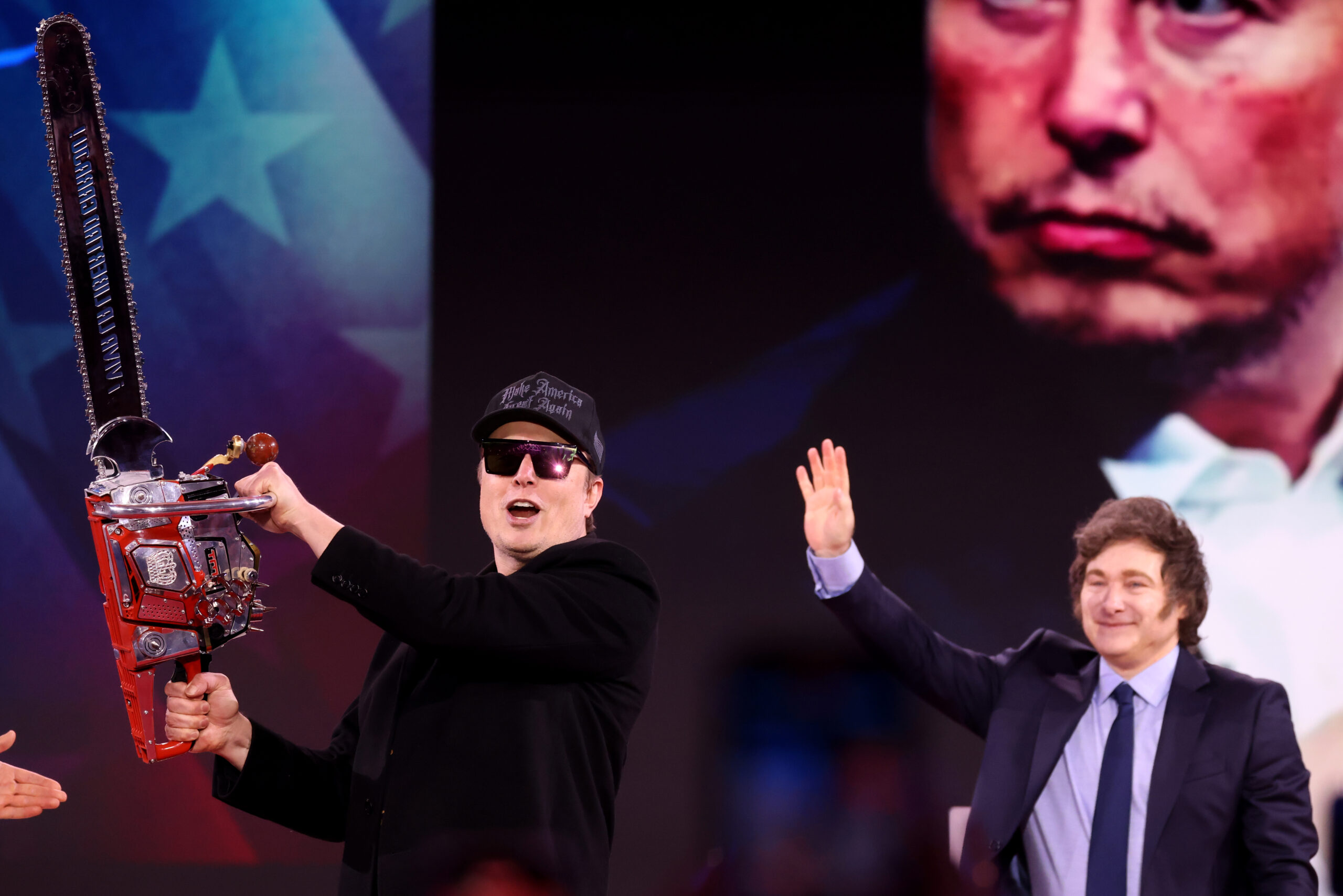
Elon Musk, CEO of Tesla, SpaceX, and multiple pioneering ventures, has made financial history, becoming the world’s first individual to see his net worth soar past the staggering $500 billion mark. According to Forbes and other prominent wealth trackers, Musk’s net worth briefly crested at $500.1 billion on Wednesday afternoon—an achievement reflective of a remarkable rebound in Tesla’s stock and surging valuations across Musk’s vast portfolio of companies.
This milestone puts Musk far ahead in the global wealth rankings, with Oracle founder Larry Ellison occupying a distant second position at approximately $350.7 billion. For context, legendary investor Warren Buffett, the patriarch of Berkshire Hathaway, recently celebrated reaching the $100 billion mark for his personal wealth—underscoring just how extraordinary Musk’s ascent is.
Stock Surges and Business Expansion Drive Wealth
A considerable portion of Musk’s wealth is tied to his more than 12% personal stake in Tesla. The electric vehicle (EV) and energy giant has seen its stock price rally by over 20% in 2025, a trend that continued with a 3.3% surge on the very day Musk crossed the $500 billion threshold. Tesla’s growth has been fueled by renewed investor confidence, strong delivery numbers, and the expansion of production facilities in Europe, North America, and China.
Beyond automotives, Musk’s influence has extended to space exploration (SpaceX), social media (through Musk’s 2022 acquisition of Twitter, now renamed X), telecommunications (Starlink), and AI (xAI and Tesla’s AI robotics). Analyst projections estimate that Musk’s private holdings—particularly SpaceX, recently valued at over $180 billion after the latest funding round—could contribute another windfall if/when the company seeks a public listing.
Refocusing on Corporate Leadership After Controversy
In early 2025, Musk faced scrutiny for his brief engagement with the Trump administration’s Department of Government Efficiency (DOGE), which critics saw as politically fraught and distracting from his corporate responsibilities. However, Tesla’s board, led by Chair Robyn Denholm, reassured investors of Musk’s renewed day-to-day focus at Tesla. This was further strengthened when Musk made a high-profile purchase of $1 billion in Tesla stock in September—a move widely interpreted as a sign of deep commitment and personal confidence in the EV maker’s outlook.
The renewed momentum has come as Tesla’s competitors, such as China’s BYD and U.S.-based Rivian, continue to aggressively expand their own EV and battery technologies. Still, Musk’s reputation as an innovator remains a core asset: major expansions in Tesla’s Supercharger network, rollout of Full Self-Driving (FSD) updates, and plans for humanoid robot production (the Tesla Optimus) have consistently kept the company in headlines and at the frontier of technological innovation.
Record-Shattering Compensation Package Proposed
Notably, Tesla’s board has proposed what would be the world’s largest executive compensation package, potentially worth over $1 trillion—provided Musk can achieve a series of ambitious milestones over the next decade. These include increasing Tesla’s total market value eightfold, producing and selling a million AI-powered robots, and delivering an additional 12 million electric vehicles worldwide. If approved by shareholders, this would cement Musk’s remuneration as a headline-setting benchmark in executive pay and further tie his personal wealth to the company’s fortunes.
While such astronomical compensation plans have drawn share of criticism, supporters argue that Musk’s leadership and strategic vision have turned Tesla from a niche automaker to a global technology powerhouse—now vying for dominance in AI, robotics, and sustainable energy.
Broader Impact: Wealth, Influence, and Public Perception
Musk’s $500 billion net worth is more than just a numerical milestone; it symbolizes the growing concentration of capital and influence in the hands of a few ultra-wealthy individuals. Musk’s decisions move markets and shape public discourse—particularly through his high-profile presence on social media. Recent years have seen ongoing debates over the responsibility of billionaires, with topics ranging from taxation policy to philanthropic giving, and the influence of corporate leaders on global policy.
Some analysts note that much of this wealth is “paper wealth,” tied to volatile equity prices and at risk of rapid fluctuation, as seen during previous Tesla stock market swings. Nevertheless, such historic numbers sharpen debates about wealth inequality, innovation, and the social responsibilities of tech titans.
Musk’s philanthropic giving has also remained in the spotlight. Over the past two years, he has pledged to increase charitable donations, with a focus on science education, renewable energy, and global health. However, critics contend that more action is needed given his outsized fortune.
The Road Ahead: Technology, Competition, and Legacy
Looking forward, analysts project that Musk’s net worth could climb even higher, especially if SpaceX and Starlink continue their rapid growth and if Tesla executes on its ambitious expansion plans. The launch of new gigafactories, continued adoption of vehicle autonomy, and scaling of FSD subscriptions are all positive catalysts. Meanwhile, increased scrutiny regarding Musk’s behavior online and his growing prominence in public policy debates is unlikely to subside.
In a world where trillion-dollar valuations and AI-powered platforms are fast becoming the norm, Musk’s unprecedented personal fortune is emblematic of both the power and contradictions of 21st-century capitalism. Whether celebrated as a genius entrepreneur or critiqued as a symbol of rampant inequality, Musk’s financial ascent is certain to remain a focal point for debate about what it means to wield such extraordinary influence in a rapidly changing world.


