
Elon Musk Settles $128 Million Lawsuit With Former Twitter Executives Over Unpaid Severance
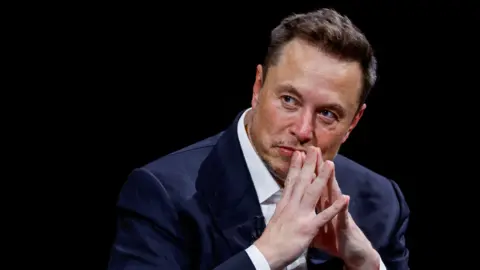
Elon Musk, the CEO of X Corp. (formerly Twitter), has agreed to settle a high-profile lawsuit filed by four former top executives who accused him of withholding $128 million in severance following his $44 billion acquisition of the company in October 2022. The lawsuit, which centered on unpaid compensation to ousted leaders, marks the latest chapter in a series of legal and business challenges that have gripped X since Musk’s tumultuous takeover.
The Severance Lawsuit: Details and Background
The settlement resolves claims by former Twitter CEO Parag Agrawal, former CFO Ned Segal, ex-chief legal officer Vijaya Gadde, and former general counsel Sean Edgett. In their 2023 filing, the executives alleged they were terminated “without cause” immediately after Musk finalized his acquisition, therefore entitling them to a severance package including one year’s salary and significant stock awards. The suit accused Musk of intentionally avoiding these contractual obligations, an allegation echoing broader criticism of his cost-cutting at X.
The precise details and payment terms of the settlement have not been disclosed but court filings confirm that the agreement requires certain near-term conditions to be met. Representatives for both parties have declined further comment, citing confidentiality and ongoing proceedings.
Context: Mass Layoffs, Restructuring, and Legal Fallout
The case against Musk and X is one among several arising from the dramatic restructuring that followed the 2022 acquisition. Almost immediately after assuming control, Musk dismissed Twitter’s top management and initiated mass layoffs, ultimately reducing the workforce by more than 50%. These moves triggered a series of lawsuits—one of the most prominent being a class action representing roughly 6,000 former employees seeking $500 million in unpaid severance, which X settled in August 2023.
The aggressive cost-cutting has often placed Musk at odds with both former employees and regulators. According to data from The Wall Street Journal and legal analytics firm Lex Machina, Musk and X have faced at least a dozen lawsuits over severance and contractual disputes since the takeover. While some smaller claims continue, the settlement with top executives represents a significant effort to resolve the most visible and potentially damaging case.
Corporate Governance Under Scrutiny
Governance experts note the public dispute underscores concerns about executive treatment and transparency during major corporate transitions. “A visible severance dispute at this scale can damage reputation and deter future talent,” says Lisa Fairfax, a corporate law professor at the University of Pennsylvania. The saga also highlights the vulnerability of even the highest-level executives to abrupt changes in corporate ownership and leadership style, particularly with a high-profile figure like Musk at the helm.
Some analysts contend that the lack of clear, enforced severance protocols may undermine investor confidence and affect future tech mergers and acquisitions. Steven Davidoff Solomon, writing for The New York Times, called Musk’s actions “a test case for how new tech owners can wield power with less conventional approaches,” noting that regulatory scrutiny could intensify as a result.
Financial Performance and Business Impact
Musk’s acquisition and subsequent overhaul of Twitter have had dramatic financial implications. X’s advertising revenues reportedly fell by roughly 60% in the year after the takeover, according to research from independent market analysts Sensor Tower and data from The Information. The platform’s drastic changes to moderation and verification policies also contributed to advertiser flight, increasing pressure to contain costs through measures like workforce reductions and contract renegotiations.
As of early 2024, X is attempting to rebuild advertiser trust with new brand safety initiatives and features aimed at broadening content appeal. Yet ongoing legal costs and settlements add to financial stress: legal experts estimate the company has spent tens of millions addressing employment and contract disputes since Musk’s arrival.
Ongoing Legal and Reputational Challenges
In addition to employment-related lawsuits, X has faced regulatory investigations into its operations, data practices, and foreign ownership structures—most notably from the U.S. Federal Trade Commission and European Union Digital Markets Act enforcement teams. The company is also fending off defamation and user safety claims in multiple jurisdictions.
The settlement with Agrawal, Segal, Gadde, and Edgett signals Musk’s willingness to resolve high-profile cases but does not necessarily signal an end to the legal turbulence swirling around X. Legal analysts predict further challenges as the company balances aggressive cost controls with obligations to former employees and ongoing scrutiny from public markets and regulators.
Looking Forward: Lessons for the Tech Industry
The resolution of the severance suit may set a precedent for handling executive contracts and post-merger disputes in the fast-moving tech sector. As high-stakes talent and leadership shifts continue across Silicon Valley, the Twitter case amplifies calls for clearer, enforceable terms in executive agreements and greater transparency in employment practices.
For Musk, the hope is that this settlement allows X to focus on rebuilding its brand, stabilizing financial performance, and refocusing efforts on growth—particularly as new competitors such as Meta’s Threads and decentralized platforms attract attention. For the broader industry, the outcome serves as a stark reminder: in the world of tech megadeals, employment contracts, reputation, and investor confidence remain more interdependent than ever.


