
Enterprise Search & AI: How Modern Intelligence Reveals the Real-Time Market Pulse
By Lemuel Park, Co-founder & CTO, BrightEdge | June 2025
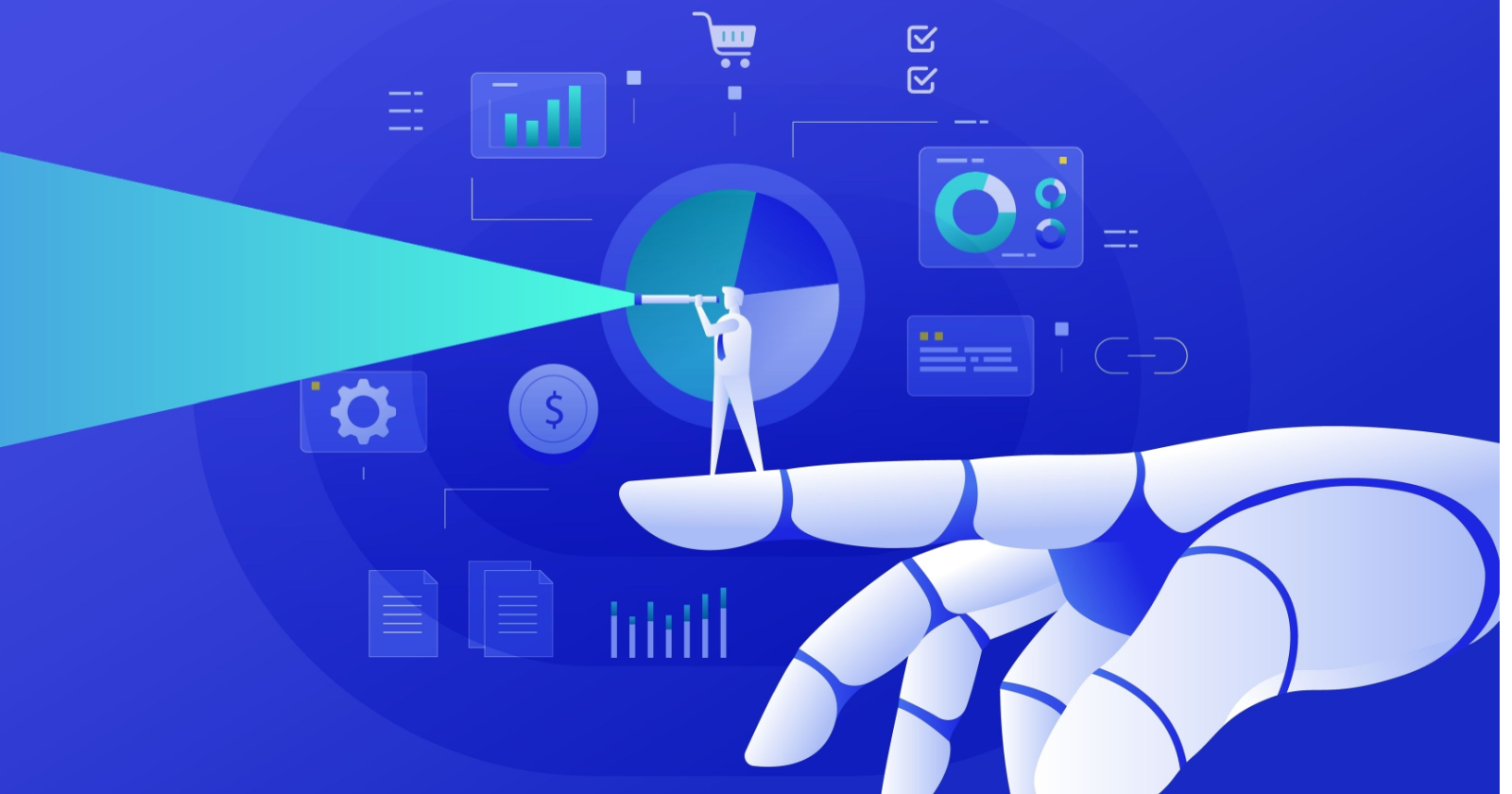
The Era of AI-Driven Search: Transforming Market Dynamics
In 2025, the convergence of enterprise search and artificial intelligence (AI) has rapidly transformed the way brands are discovered and evaluated by both consumers and business decision-makers. Where organizations once relied on monthly search reports and historical analytics, today’s marketplace thrives on real-time AI-driven intelligence, offering a holistic, 360-degree view across every digital channel.
The traditional customer journey — once a multi-session, research-heavy process — now frequently unfolds within a single interaction with an AI assistant. When decision-makers query Google AI Overviews, ChatGPT, or Perplexity about the best enterprise SaaS, skincare routine, or investment platform, curated recommendations and succinct evaluations emerge instantly, drastically reducing the time and effort spent on vendor comparison.
This shift has redefined digital marketing. According to BrightEdge data, overall impressions on content have surged by over 49% since the debut of AI Overviews, while Google’s market share remains dominant at over 90%. However, much of this visibility now happens directly within AI-generated overviews, rather than on brand-controlled pages, posing both risks and opportunities for organizations seeking to manage their digital presence.
AI as Curator, Evaluator, and Gatekeeper
The real paradigm shift is that AI is no longer just retrieving information—it’s interpreting, framing, and recommending brands before a user even reaches a website. Research indicates that a mere 31% of AI-generated brand mentions are positive, and just 20% include a direct recommendation. This makes it essential for marketers to not only rank but also be favorably evaluated by AI—who effectively decide the final shortlist before a human clicks a link.
The growth in generative AI models underlines this trend: ChatGPT has reported 21% month-over-month growth, dwarfing newer entrants such as Perplexity and Gemini, which remain about a tenth of ChatGPT’s size. Platforms such as Claude, Meta’s Llama, and X’s Grok are smaller still, but each represents a piece of the new AI-driven search ecosystem.
Understanding the New Market Dynamics
To navigate this landscape, brands must move beyond a narrow focus on keywords and links, embracing a comprehensive understanding of political, economic, social, and technological (PEST) drivers. Real-time shifts in AI regulation, economic volatility, evolving consumer behaviors, and the rapid advancement in AI models all influence how organizations should craft their go-to-market and content strategies in 2025.
- Political: Regulatory frameworks for AI and data privacy shape digital strategy.
- Economic: AI compresses decision cycles, demanding agility from market participants.
- Social: Trust is increasingly built (or lost) via AI-assisted purchasing journeys.
- Technological: New AI features—real-time indexing, cross-platform recommendations—require ongoing optimization.
The MAP Framework: Mention, Authority, and Performance
As AI influences more buyer journeys, measuring success requires new frameworks. The MAP Framework—Mention, Authority, and Performance—has emerged as the gold standard for understanding and optimizing brand presence in an AI-mediated market.
Mentions: Beyond Traditional Rankings
While Google still owns the lion’s share of search traffic, the rise of AI Overviews is changing what it means to be visible. As of June 2025, AI Overviews appear in 11% of Google queries—a 22% increase year-over-year. Longer, complex queries (crucial for B2B) have increased by 49% in AI results, while simplistic ranking-style and product comparison queries have declined significantly.
Authority: How AI Judges Your Brand
AI models weigh each brand’s authority using criteria that differ by industry:
- Finance: Regulatory compliance and security content drive positive AI coverage.
- Healthcare: Accuracy and credibility are central.
- Technology: Innovation and product reliability matter most.
- Consumer/Retail: Reviews, quality signals, and brand reputation dominate.
Performance: New Analytics for AI Discovery
Traditional metrics such as page rankings and raw traffic are less meaningful in an AI-first environment. Instead, brands should monitor:
- AI Mention Rate: Appearance in AI-generated answers.
- Citation Authority: Frequency of being cited as a primary source.
- Share of AI Conversation: Comparative competitive footprint in conversational AI responses.
- Prompt Effectiveness: How well content answers nuanced search prompts.
- Conversion Velocity: Speed at which AI-influenced leads turn into customers.
BrightEdge’s research shows that highly qualified leads are more likely to convert, even as total click-throughs have dropped by almost 30% year over year, underscoring the efficiency of AI as a lead qualifer.
Business Intelligence Meets AI: Understanding Market Pulse in Real Time
Modern marketing intelligence synthesizes data from search, social, reviews, and now all major AI engines to deliver actionable, real-time insights. Predictive modeling—including AI’s own recommendation patterns—offers early warnings for demand shifts, competitive moves, and new consumer trends across every sector from SaaS to consumer goods.
AI Platform Sentiment Analysis & Market Modeling
Different AI platforms emphasize different signals—ChatGPT often highlights user reviews and sentiment, Perplexity tends toward technical analysis, and vertical-specific AI models for sectors such as manufacturing or healthcare bring unique evaluation criteria. This underscores the importance of omnichannel monitoring and targeted content tailoring to maximize AI-era visibility.
Omni-Engine Optimization Strategy
- Google & AI Overviews: Maintain foundation with >90% market share.
- ChatGPT: Focus on conversational discovery, experiencing rapid growth.
- Perplexity: Leverage for research-heavy B2B/B2C queries.
- Vertical AI: Industry-specific optimizations for niche aggregators and agents.
- Social & Voice AI: Adapt content for LinkedIn, TikTok, Alexa, Siri, and mobile assistants.
Entity-Based SEO & Schema Markup
AI places a premium on authoritative, trusted entities. As structured data and schema markup become more critical, organizations that can demonstrate recognized expertise see their content cited three times more often in major AI engines—regardless of sector.
Device-Specific AI Trends: Mobile vs Desktop Opportunities
Mobile AI Overviews increasingly dominate product discovery, particularly in ecommerce, appearing three times more often than on desktop. Meanwhile, desktop Overviews, while larger and more frequent overall (taking up 80% more screen space), cater to in-depth research and B2B journeys. Internal BrightEdge data suggests that device-optimized strategies are non-negotiable for modern marketers, especially with Google’s ongoing UX experiments.
Strategic Implications & Industry Takeaways
- Align content for both mobile shopping and desktop research use cases.
- Monitor daily shifts across AI platforms—algorithm updates, prompt trends, and training data changes can alter results within hours.
- Adopt real-time BI dashboards tying together SEO, product, customer service, and sales metrics.
- Map the full customer journey as experienced through AI touchpoints—not just traditional search.
- Prepare for more specialized, vertical-focused AI models in regulated and technical industries.
Conclusion: The New AI-First Playbook
Success in 2025 demands a clear-eyed embrace of AI’s role as the primary channel for brand discovery, evaluation, and conversion. Enterprises that operationalize the MAP Framework—monitoring their mentions, building durable authority, and tracking AI-relevant performance metrics—will earn top consideration on every digital shelf.
The future of marketing is here: adaptive brands that combine real-time business intelligence, omnichannel optimization, and AI-driven consumer insights will capture fresh opportunities, outpace competitors, and emerge as the definitive recommendations—human or agentic—whenever and wherever customers are searching.


