
Ethiopia’s Stock Exchange: Opening the Door to a New Era of African Investment
By Eli Grant | July 12, 2025
Africa’s Next Investment Hotspot Emerges
The dawn of 2025 saw a transformative milestone for African financial markets: the debut of the Ethiopia Securities Exchange (ESX). As one of Africa’s fastest-growing economies, Ethiopia is now seeking to capitalize on its momentum by opening its capital markets to global and domestic investors. The ESX, headquartered in Addis Ababa, goes far beyond being a stock exchange—it’s a foundational leap toward establishing Ethiopia as a modern investment destination at the heart of East Africa.
This historic move follows a decade of robust GDP growth averaging 7-9% annually, positioning Ethiopia as an emerging frontier for both institutional and retail investors worldwide.
Economic Reforms Lay the Groundwork
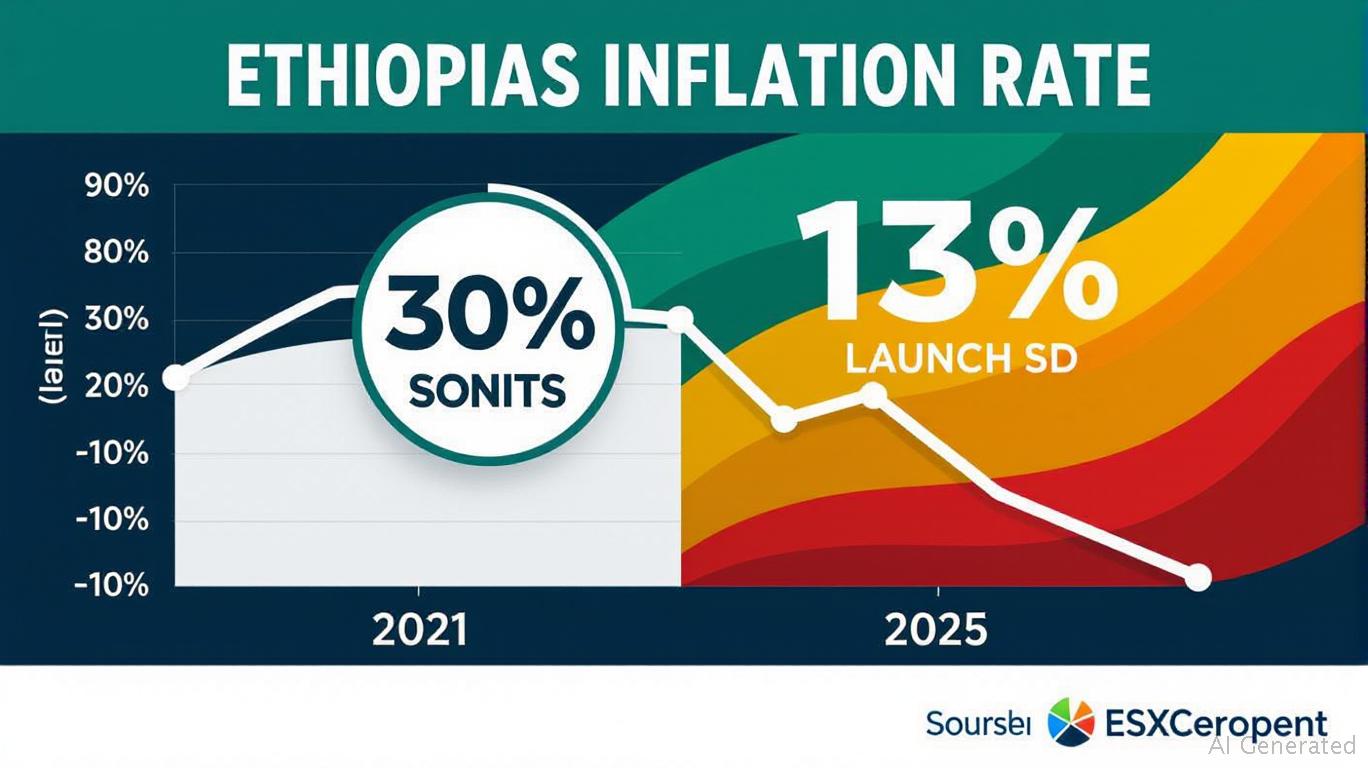
Prime Minister Abiy Ahmed’s sweeping economic reforms since 2021 created essential conditions for the ESX. The government has pursued aggressive liberalization—floating the Ethiopian birr, unshackling interest rates, embracing inflation targeting, and terminating central bank direct financing of the budget. The impact has been far-reaching: inflation has plummeted from almost 30% in early 2022 to around 13% mid-2025, while foreign currency reserves have more than tripled, bolstered by an influx of international support including a $3.4 billion IMF Extended Credit Facility signed in late 2024.
These reforms—combined with new legislation to protect foreign investors and streamline corporate governance—have greatly enhanced macroeconomic stability and investor confidence.
ESX: Impressive Beginnings and Swift Growth
From its January launch, the ESX has moved rapidly to build market infrastructure and credibility. By June 2025, the exchange celebrated its first successful inter-broker stock trade, quickly followed by listings of two state-controlled banks—Wegagen Bank and Gadaa Bank—with market capitalizations of $45.5 million and $9 million respectively. Its interbank platform, live since late 2024, has handled more than $1.1 billion in transactions, enhancing liquidity throughout Ethiopia’s financial system.
Looking forward, the exchange aims to list 50 companies within five years and reach 90 listings by 2035. This strategic vision includes not only private-sector firms but also the crown jewels of Ethiopia’s vast state-owned enterprise (SOE) sector.
Spotlight: State-Owned Enterprises Drive Listings
A key distinguishing feature of the ESX is its role in facilitating the divestiture and modernization of Ethiopia’s prominent SOEs. The government, through Ethiopian Investment Holdings (EIH)—the nation’s sovereign wealth fund—manages 27 major SOEs, now preparing many for public listings. Among the most significant is Ethio Telecom, Ethiopia’s telecom giant with annual revenues topping $1 billion and over 70 million subscribers. In mid-2025, Ethio Telecom began the IPO process by offering a 10% stake, stirring keen interest from both local and international investors.
Further anticipated listings include Ethiopian Electric Utility and Ethiopian Insurance Corporation—entities central to Ethiopia’s infrastructure and digital transformation strategies. For investors, early access to these evolving giants provides both stability and room for growth at a formative stage in the market’s development.
Currency Liberalization and Forex Access
Another game-changer was the 2024 removal of foreign exchange controls, transforming the Ethiopian birr into a floating currency. The result: elimination of the black market spread, greater transparency, and stabilization of foreign reserves. This move significantly lowers the risk of capital controls that have historically deterred international investors, boosting Ethiopia’s attractiveness as a destination for foreign investment.
Regional Integration: The AfCFTA Opportunity
Ethiopia’s participation in the African Continental Free Trade Area (AfCFTA)—the world’s largest free trade area—underscores its strategic value. Tariff reductions and investment incentives associated with the AfCFTA are set to accelerate Ethiopia’s integration into regional and global value chains. For ESX-listed companies, especially banks and logistics firms expanding cross-border, this opens the door to exponential growth and broader pan-African investor appeal.
According to the World Bank, AfCFTA could lift 30 million people out of extreme poverty continent-wide and boost African income by $450 billion through 2035—offering an enormous tailwind for Ethiopian market participants.
Risks and Challenges: Navigating Uncharted Waters
While optimism abounds, Ethiopia’s equity market faces some non-trivial challenges. Internet penetration stands at just 21% as of 2025, with rural financial literacy lagging. Effective participation by the country’s population—especially outside Addis Ababa—will require innovative digital solutions, including the expansion of mobile trading via platforms like Marlin ESX and TeleBirr. Additionally, governance standards among SOEs will come under global scrutiny as they access public capital markets.
Liquidity is likely to remain thin early on, and regulatory frameworks are still evolving. Given these risks, most global institutions and wealth managers recommend measured exposure—allocating a small portfolio share (typically 1-3%) toward Ethiopian stocks or future ESX-focused ETFs.
The Investment Thesis: Why the ESX Matters Now
- Ethio Telecom IPO: A unique chance to invest in sub-Saharan Africa’s telecom leader just as it faces competition and 5G rollout opportunities.
- SOE Pipeline: Access to government-owned leaders in banking, utilities, and insurance, providing diversification at an early stage of liberalization.
- ESX Infrastructure: Financial institutions such as Wegagen Bank, well-placed for future growth as the local credit market expands.
Global asset managers, including BlackRock and local firms, have shown initial interest. However, prevailing advice is to enter with patience, focus on due diligence, and monitor ongoing policy coherence.
Looking Ahead: A New Financial Powerhouse for Africa?
As Ethiopia continues to implement and refine its economic reform agenda, the success of the ESX may serve as a blueprint for other African markets. With its blend of state-led opportunity, macroeconomic stabilization, currency reform, and integration through AfCFTA, the next five years could witness Ethiopia transforming from an emerging market to a potential regional investment powerhouse.
For global and regional investors alike, the ESX is a rare chance to participate early in the formation of a new African capital market—one that may yield significant returns for those willing to navigate uncertainty with vision and discipline.


