
Flash Floods Cause State of Emergency and Travel Chaos in New York and New Jersey
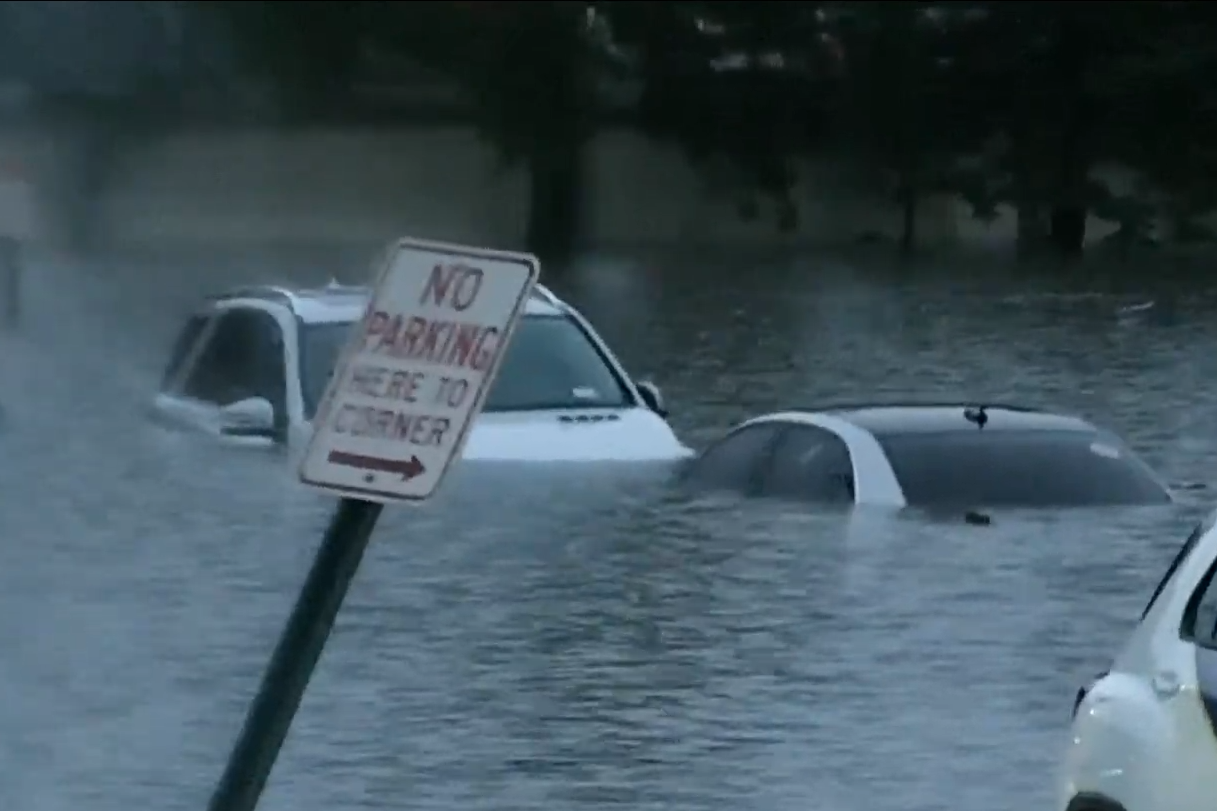
On Monday evening, severe thunderstorms battered the Northeast United States, unleashing flash floods that brought New York City to a standstill and led New Jersey Governor Phil Murphy to declare a state of emergency across parts of the state. Flash flood warnings blanketed New York City’s five boroughs as dramatic scenes unfolded: water cascaded into subway stations, cars were left stranded in rising floodwaters, and the region’s critical transit infrastructure faced paralyzing disruption.
Historic Rainfall Hits the Urban Core
The National Weather Service recorded widespread rainfall ranging from one to two inches across metropolitan New York, with locally higher amounts in low-lying and urbanized areas such as Queens and the Bronx. New York’s complex stormwater systems, already stressed by extreme weather linked to climate change, could not keep pace as torrents of rain poured into streets, basements, and subway stations.
Emergency alerts warned all residents, particularly those in basement apartments and flood-prone neighborhoods, to prepare for rapid water rises. Social media posts documented water surging down station stairways and pooling onto subway platforms, disrupting service across multiple lines. In Westchester County, north of the city, local news stations showed inundated vehicles and impassable streets as rescuers responded to emergencies throughout the night.
State of Emergency and Widespread Disruption
Late Monday, New Jersey Governor Phil Murphy declared a state of emergency, citing dangerously high rainfall and flash floods across the northern and central parts of the state. Residents were advised to stay home, avoid low-lying routes, and refrain from non-essential travel until floodwaters subsided. The storm echoed similar conditions seen in recent years as the Northeast experiences more frequent and intense precipitation events—a key sign of climate change’s regional impact, according to NOAA and the IPCC.
In New York City, officials activated emergency management protocols. Mayor Eric Adams warned residents in vulnerable zones to move to higher ground, underscoring the life-threatening risk flash floods pose to those living below street level. New York’s 3-1-1 system and the official city channels urged public vigilance, emphasizing dangers such as electrical outages, sewage backups, and impassable transportation corridors.
Air Travel Thrown Into Chaos
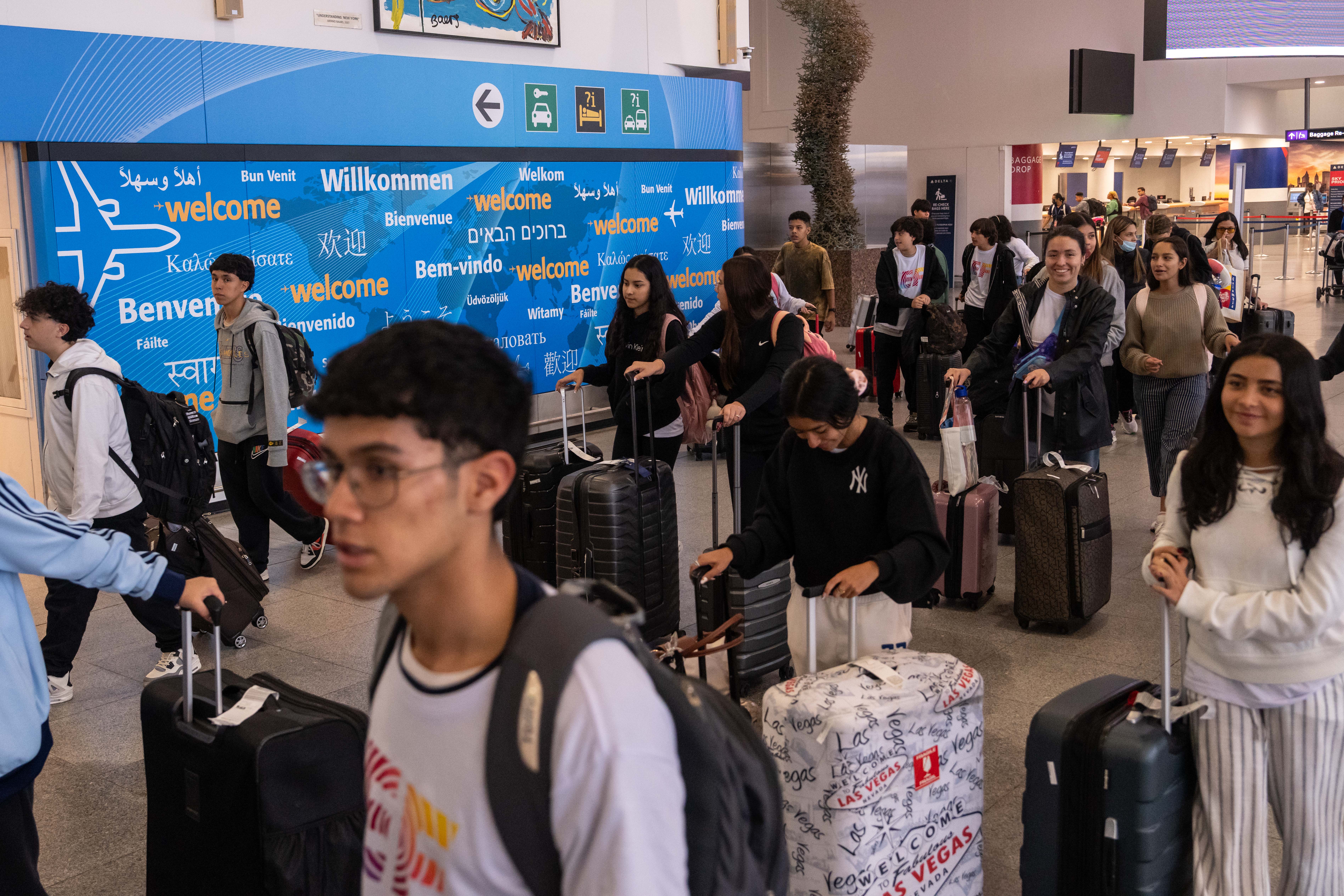
Travelers across the East Coast faced severe hardship as flight operations were crippled at six major airports, including New York’s JFK and LaGuardia, New Jersey’s Newark Liberty International, Philadelphia International, Baltimore/Washington International, and Ronald Reagan Washington National outside D.C. At the height of the storm, the Federal Aviation Administration (FAA) issued ground stops for both departures and arrivals, resulting in delays ranging from 45 minutes to three hours.
Anxious passengers shared their experiences online: Some flights were held in holding patterns over the region, with crews warning of fuel limits and potential diversions to alternate airports. Others described hours-long waits at terminals, with cascading delays affecting connecting flights nationwide. By late evening, a few ground stops were lifted, but the ripple effect left many travelers stranded overnight—highlighting the vulnerability of U.S. aviation infrastructure to extreme weather.
According to the FAA, Monday’s events contributed to more than 2,000 domestic flight delays and over 300 cancellations. The FAA and Port Authority of New York and New Jersey advise travelers in the region to check flight status and anticipate continued disruptions as airports work to clear the backlog.
Broader Impacts and Public Safety
Forecasters emphasized that the heaviest rainfall shifted eastward by late Monday night, but warned the region remained at risk for additional flooding, especially into Tuesday as “hot and humid conditions” were expected to push heat indices near or above 100°F (38°C). City officials called for residents to stay hydrated and avoid unnecessary outdoor activity, particularly vulnerable populations such as seniors, children, and those with chronic medical issues.
Similar flash floods were reported across the East Coast, including significant incidents in Philadelphia’s suburbs. The chaos in the New York area echoed other recent extreme weather disasters, such as fatal flooding in Texas and Spain, and record-breaking heat waves in Europe, underscoring a global pattern of intensifying climate volatility.
Systemic Challenges and Calls for Resilience
This latest flooding crisis has renewed calls from experts and local leaders for significant investments in urban resilience. Aging drainage systems, inadequate green infrastructure, and delayed upgrades to subway and power systems all increase the vulnerability of cities like New York and Newark. The NYC Climate Resiliency plan aims to bolster emergency preparedness and adapt vulnerable neighborhoods to increasingly severe storms, but funding gaps and implementation delays persist.
Nationally, FEMA and local agencies have urged Congress to prioritize robust infrastructure legislation. The Infrastructure Investment and Jobs Act has provided billions for climate resilience, yet much of the Northeast’s densely populated urban core remains at risk as storm frequency and intensity continue to climb.
What Residents and Travelers Need to Know
- Monitor official alerts from the National Weather Service NYC Office and state agencies for the latest updates.
- Use airport and airline status websites for real-time travel information—expect potential residual delays over the next 24–48 hours.
- Residents in basement apartments or flood-prone areas should have an evacuation plan and emergency kit ready.
- Drivers should never attempt to cross flooded roadways—”Turn Around, Don’t Drown” saves lives.
As New York and New Jersey recover from an intense night of storms and brace for further severe heat, questions grow over the need for resilient design and coordinated emergency response across the region. Monday’s events are a stark reminder that climate adaptation is now a matter of urgent, everyday survival for America’s urban centers.


