
From rail strikes to white pants, the Gilded Age shaped both Labor Day and America’s summer economy
By Jamie Stengle and The Associated Press | August 29, 2025
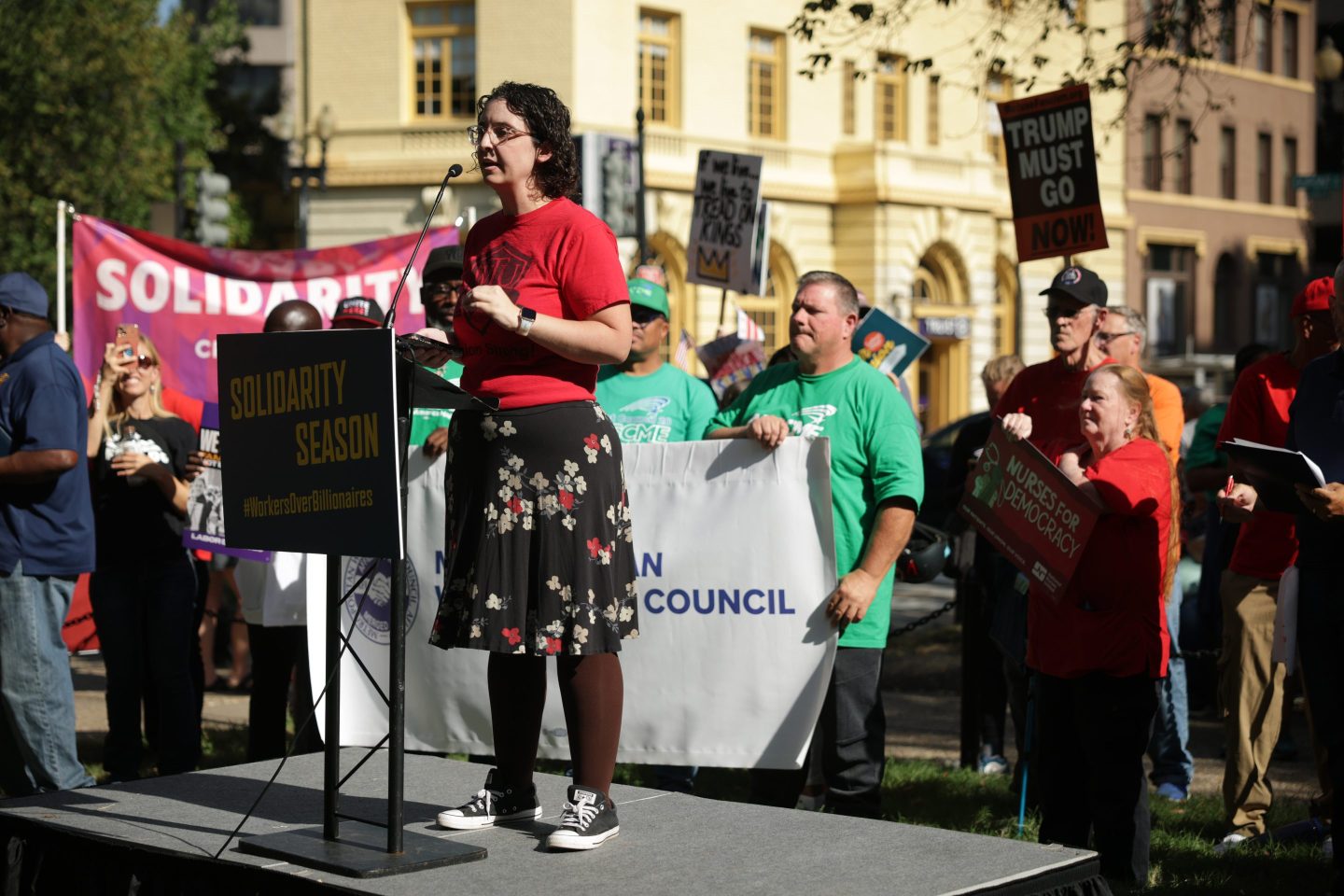
Established as a federal holiday in 1894, Labor Day stands at the intersection of American history, fashion, culture, and the modern economy. What began amid economic upheaval and the Gilded Age’s labor strife has become both a commemoration of worker solidarity and a defining marker of the U.S. summer season’s economic climax—punctuated by immense travel and retail surges, enduring style traditions, and active debate about the American workforce.
The Gilded Age Roots of Labor Day
Labor Day’s origins stem from a period marked by tremendous industrial expansion, economic inequality, and frequent worker strikes—especially in the railroad industry. In the late 19th century, labor unions like the American Federation of Labor and the Knights of Labor fought for better pay, safer working conditions, and shorter hours. The 1894 Pullman Strike, when rail workers across the nation halted trains to protest wage cuts, triggered widespread unrest and forced President Grover Cleveland to make Labor Day a national holiday—attempting to placate both workers and the public.
This backdrop connects Labor Day to pivotal moments in U.S. labor history, emphasizing collective bargaining, unionization, and the ongoing dialogue about fair compensation and workers’ rights—issues still front and center in today’s economic conversation.
Traditions: White Pants, Parades, and Farewell to Summer
From its inception, Labor Day developed a unique set of traditions. The custom of not wearing white after Labor Day—a fashion guideline—echoes the social hierarchies of the Gilded Age elite. The upper class, returning from summer vacations, would set sartorial norms that signaled a return to city life and business, making white (summer) attire passé. Over time, this practice trickled down and, although largely outdated today, remains a cultural talking point each September.
The day also features parades, from New York to Chicago, highlighting union pride and community. Backyard barbecues, retail promotions, and end-of-summer celebrations have transformed the holiday into the unofficial finale of the U.S. summer.
Labor Day’s Impact on the Modern Economy
Modern Labor Day is not only steeped in history; it’s an annual economic powerhouse. According to the Transportation Security Administration (TSA), more than 17 million passengers and airline crew members were expected to be screened at U.S. airports from the Thursday before through the Wednesday after Labor Day weekend 2025—a new record for the holiday period. Similarly, AAA forecasted over 54 million Americans would travel 50 miles or more between Memorial Day and Labor Day 2025, with Labor Day capping the busiest summer travel season in recent memory. The economic impact extends far beyond airports:
- Retail sales: Labor Day sees some of the year’s largest retail promotions, with brands from apparel to electronics offering major discounts to entice post-summer shoppers. According to the National Retail Federation (NRF), Labor Day weekend sales in 2024 surpassed $36 billion, an increase of 4.2% from the previous year.
- Hospitality and tourism: Hotel bookings, national park reservations, and theme park attendance surge, with many destinations—such as Orlando, Las Vegas, and New York City—reporting 90%+ occupancy rates over the holiday.
- Restaurant and food service sector: Outdoor dining and barbecue-related purchases spike, with the National Hot Dog and Sausage Council (NHDSC) estimating that Americans collectively consume more than 150 million hot dogs during Labor Day weekend.
The weekend is also one of the biggest for automobile travel, with gasoline demand peaking and congestion on major highways mirroring the Black Friday rush for retail stores. Data from the U.S. Energy Information Administration shows a 6% increase in gasoline demand over the 2025 Labor Day weekend compared to average summer weekends.
Travel: Resilient Demand Despite Higher Costs
Despite inflation and higher airfare in 2025, Americans have shown a persistent desire to travel. Airlines and hospitality sectors have rebounded robustly from pandemic-era lulls, reporting record occupancy and rising fares. Delta, United, and American Airlines all cited double-digit year-over-year growth in domestic passenger volumes, with many flights operating at or near capacity.
Recent labor disputes, such as pilot strikes and airport worker protests—echoes of the original labor movement—occasionally threaten disruptions. However, new agreements and federal interventions have kept most major transit corridors running smoothly. This resilience underscores the central role Labor Day plays in marking both American leisure and economic optimism.
Reflections on the American Worker
Beyond parades and travel, Labor Day remains a rallying point to reflect on the evolving nature of work. In 2025, union membership in the U.S. hovers around 10.1%, according to the Bureau of Labor Statistics. Recent years have seen high-profile strikes in industries from Hollywood to logistics, all propelled by debates about fair wages, benefits, and the gig economy’s impact on traditional employment.
The legacy of the Gilded Age’s labor movement—demanding dignity, safety, and respect—continues, with new chapters unfolding in America’s tech hubs, warehouses, and virtual office spaces nationwide. The intersection of historical struggle and current workplace activism makes Labor Day as significant today as ever.
The Enduring Significance of Labor Day
As Labor Day 2025 passes into history, its layered relevance endures, linking the Gilded Age’s transformative labor victories with contemporary debates on economic justice, work-life balance, and national prosperity. Whether discussed in the context of summer’s passing, a fashion faux pas, or the thrum of airports and highways, the holiday stands as a testament to the American worker’s ongoing journey.
Labor Day’s dual identity—a tribute to solidarity and a keystone of America’s consumer economy—remains powerfully intact over 130 years after its inception.


