
IT Outages Are Plaguing Air Travel: What Travelers Need to Know
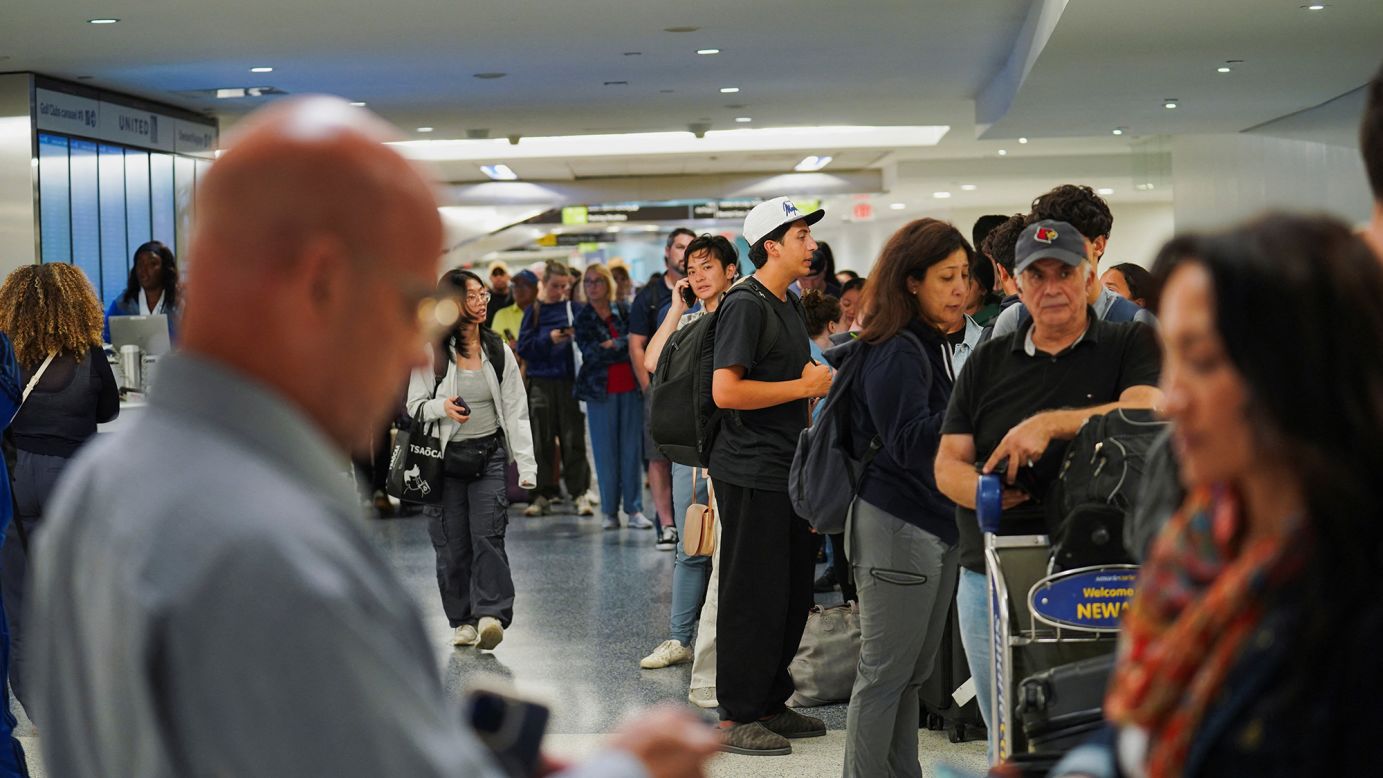
Massive technology failures are causing unprecedented disruptions in the global aviation industry, with IT outages grounding flights and stranding millions of travelers throughout 2024 and 2025. As the volume of air traffic continues to rise—nearing and sometimes surpassing pre-pandemic highs—chronic tech failures underscore vulnerabilities across all major U.S. airlines and the federal aviation infrastructure that guides them.
The Growing Threat of Aviation IT Outages
On August 6, 2025, a significant “technology issue” forced United Airlines to ground its entire U.S. fleet for several hours. The incident created travel chaos nationwide as thousands of passengers found themselves facing canceled, delayed, or rerouted flights. This is but one in a series of high-profile IT failures in the last 36 months, highlighting the fragility and aging architecture of technology systems underpinning modern aviation.
“The moment an airline loses its critical IT system, operations must stop immediately,” explained Eash Sundaram, a veteran aviation technology executive formerly with JetBlue Airways. “Safety is always the priority, so when information systems fail, there is no room for risk.”
United’s outage was eventually traced to a malfunction with its weight and balance system known as Unimatic. Though unrelated to cybersecurity events such as the CrowdStrike global outage, it nonetheless demonstrated the capacity for technical glitches to shut down an entire airline’s workflow—especially as no standardized systems exist across different carriers.
Recent Notable Outages and Their Impact
- Southwest Airlines’ 2022 Christmas Meltdown: Crew scheduling software failures caused one of the worst mass groundings in U.S. history. The event severely damaged Southwest’s reputation, triggered a federal investigation, and resulted in multimillion-dollar fines.
- FAA NOTAM Outages (2023 & 2025): The federal Notice to Air Missions (NOTAM) system, essential for alerting pilots about safety-critical information, experienced two major outages. These led to nationwide delays and created concern over America’s outdated aviation technology.
- CrowdStrike Global Outage (July 2024): Arguably the largest IT meltdown in IT history, a Microsoft Windows update from cybersecurity vendor CrowdStrike caused hours-long disruptions across airlines, airports, hospitals, and banks worldwide. Delta Air Lines was especially hard hit, and legal disputes followed as both Delta and CrowdStrike traded blame.
- American Airlines and Alaska Airlines: Both carriers experienced major technology issues in late 2024 and 2025, resulting in ground stops and widespread delays—some tied to vendor-side software failures, while others related to internal upgrade attempts that failed.
These events demonstrate that while most outages are resolved within hours, their knock-on effects strand travelers, halt cargo, and incur significant financial losses for airlines—sometimes reaching tens of millions of dollars per incident.
Why Is Aviation So Vulnerable?
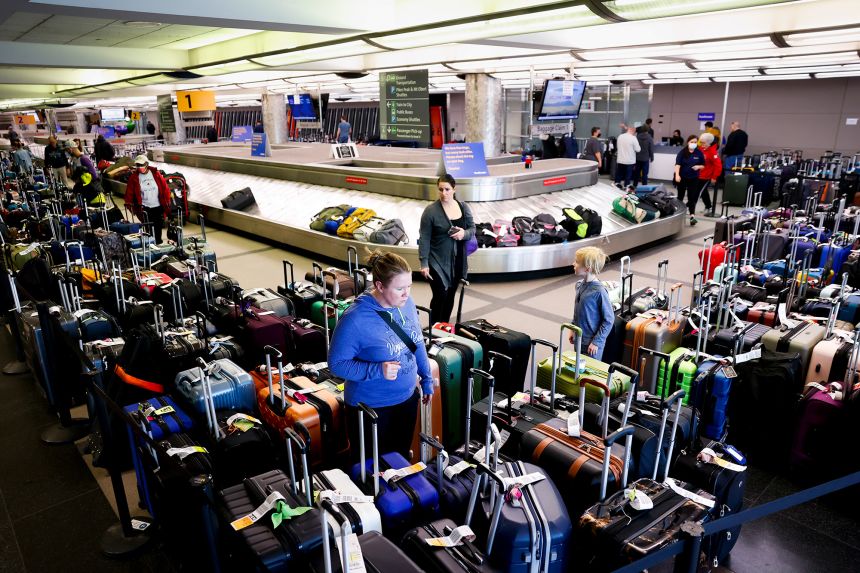
Unlike many other industries, most major airlines maintain their own proprietary IT infrastructures. According to Sundaram, “Delta, American, United—each has their own unique crew management, aircraft logistics, maintenance and communication systems built in-house over decades.”
This patchwork approach means technical breakthroughs or upgrades at one carrier do not filter to others, and legacy systems sometimes run for years—sometimes decades—without modernization due to prohibitive cost and operational risks. Many aviation systems were developed before the cloud era, leading to isolated technology silos that are harder to update or maintain.
Is There a Solution for Systemic Resilience?
The notion of a universal, modern backbone for airline operational control—covering aspects like crew management and aircraft balance—has been suggested by industry leaders, but cooperation has been difficult. Each airline prefers tailor-made systems, citing competitive differentiation and data sensitivity.
Large tech firms such as Microsoft and Google have been mentioned as potential partners, but most carriers still prefer to control their own infrastructure. Efforts are being made, however, for more robust data sharing between airlines and airport authorities and to implement cloud-based systems that offer redundancy and scalability. The FAA, for its part, is currently overhauling much of its own technology, with a $12.5 billion modernization plan underway since early 2025. This aims to phase out analog systems like NOTAM and deliver new equipment by October.
Safety First: Federal and Airline Protocols
Each time a technical issue arises, airlines coordinate closely with the FAA. If an outage threatens the flow of critical information—such as weather, runway conditions, or communication between pilots and control towers—flights are grounded immediately. While frustrating for travelers, this protocol is essential for avoiding in-air or runway collisions and other disasters.
The surge in post-pandemic travel has made such outages more disruptive, as daily passenger volumes climb above 3 million travelers at U.S. airports alone. TSA checkpoint figures routinely set new post-2020 records in summer 2024 and 2025, making every failure higher-stakes than ever before.
Financial and Reputational Stakes
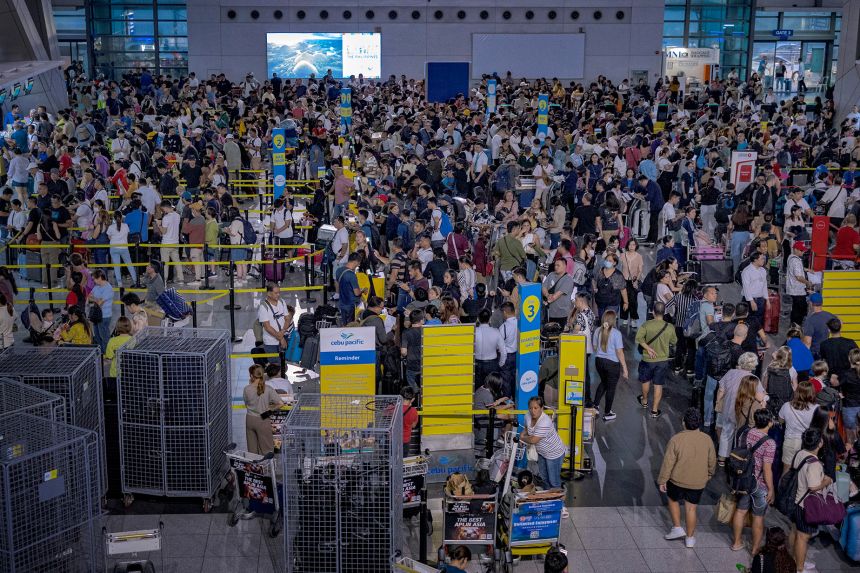
When outages hit, airlines must refund, rebook, and often compensate passengers. Disruptions can damage customer trust and hurt rankings on service ratings. The FAA’s NOTAM outage earlier this year, coupled with the aftermath of the Delta/CrowdStrike dispute, further demonstrated how interdependent and fragile the system has become. Extended delays can also affect third-party vendors, airport workers, and supply chains far beyond the airport itself.
Are Airlines and Regulators Catching Up?
Both airlines and federal authorities acknowledge the need to proactively upgrade technology. Despite public promises and high-profile investment plans, progress remains incremental in a sector notorious for resistance to rapid change. “I feel like, in a lot of ways, they’re playing catch up,” concludes Helane Becker of HRBAviation Consultants, “and that’s an issue they have to address. Too often they’re responding to crises, rather than preventing them.”
Still, there are signs of progress. Airlines are investing in disaster-recovery systems, cloud integration, and enhanced cybersecurity frameworks. The FAA’s modernization drive seeks not only to fix legacy equipment but also to improve monitoring, redundancy, and communication standards across the sector. Internationally, regulators are also pushing for uniform standards and sharing data on vulnerabilities to help prevent future meltdowns.
What Should Travelers Do?
While it’s impossible to predict every outage, passengers should monitor flight status messages, allow for extra transit time during peak periods, and review airline policies on refunds or compensation. Insuring trips and using airline apps for instant alerts can provide additional safeguards in the event of a meltdown.
As the world’s appetite for air travel continues to grow, so too does the urgency for robust, reliable aviation technology. The industry’s recurring IT failures serve as both a warning and a call to action—not just for airlines, but for regulators, technology providers, and travelers alike.


