
Jensen Huang Surpasses Tim Cook and Musk in Influence in Washington
| By Korea Economic Daily
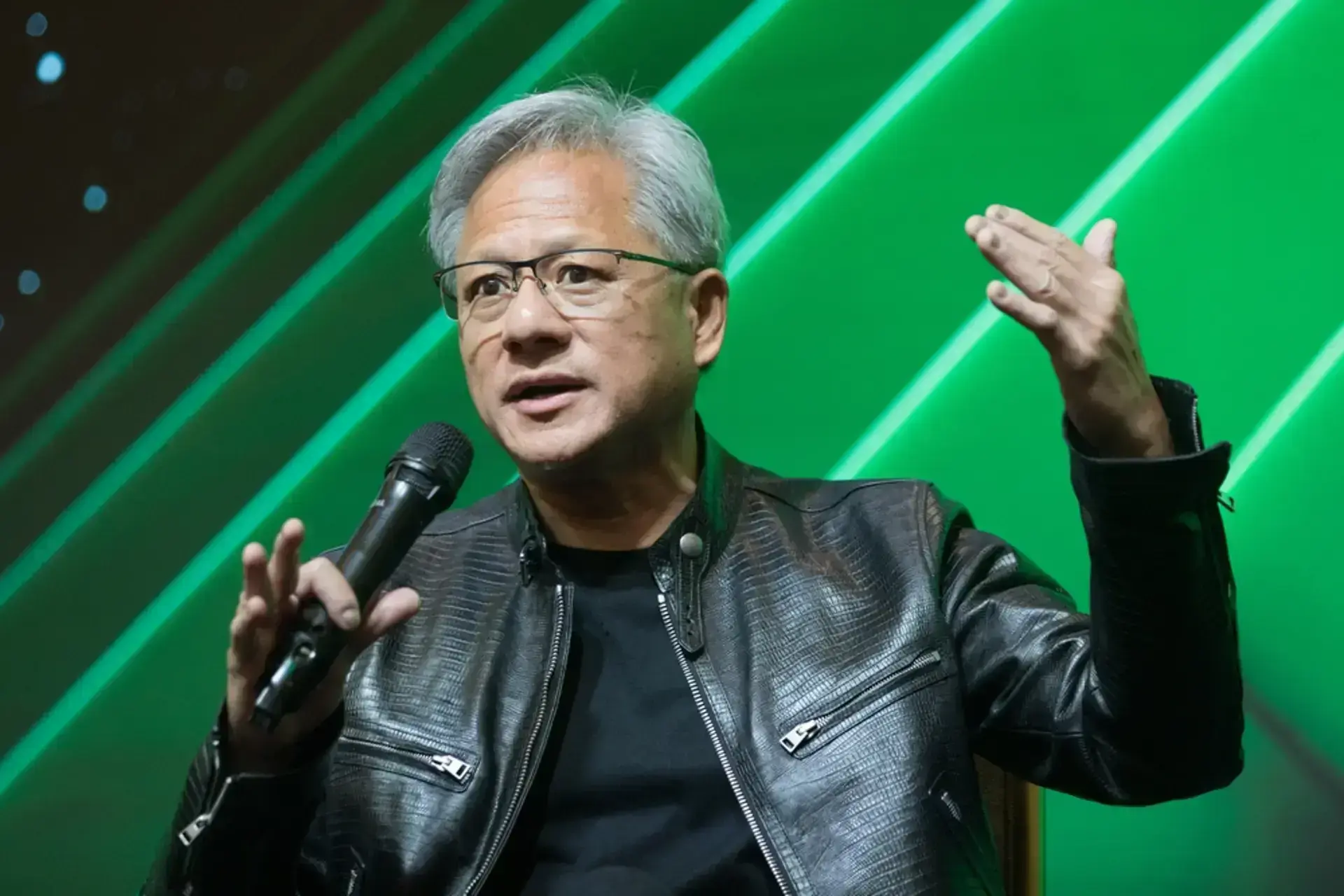
The Ascendancy of Jensen Huang
In a striking shift in Silicon Valley influence, Jensen Huang, the co-founder and CEO of NVIDIA, has emerged as the definitive voice of the tech sector within the Trump administration’s second term. Once overshadowed by tech titans like Apple’s Tim Cook and Tesla’s Elon Musk, Huang is now widely recognized for his pivotal role in steering the global AI revolution and adeptly managing fraught U.S.-China relations. His strategic acumen, both in business and politics, has not only bolstered NVIDIA’s meteoric growth but made him a direct participant in shaping national technology policy.
Surpassing Silicon Valley’s Past Power Brokers
During Trump’s first term (2017-2021), Apple’s Tim Cook maintained a unique relationship with the administration, leveraging diplomatic skills to shield Apple from harsh China tariffs and acting as a bridge to Beijing. Similarly, Elon Musk, whose Tesla Gigafactory in Shanghai became a symbol of U.S.-China manufacturing cooperation, was a fixture in White House advisory circles.
However, as U.S.-China tensions intensified and the technological arms race entered a new phase, the landscape changed dramatically. Cook’s influence eroded after Apple lost its long-held title as America’s most valuable company to NVIDIA in early 2025, despite significant U.S. investments. Musk, meanwhile, publicly distanced himself from President Trump after June 2025 amid disagreements over climate and AI policy. This power vacuum paved the way for Huang’s ascent.
NVIDIA’s Dominance in AI and Semiconductors
Jensen Huang’s stature has been built on NVIDIA’s unrivaled position at the heart of the global AI revolution. NVIDIA is the world’s leading supplier of advanced graphics processing units (GPUs) — essential semiconductors fueling the development of generative AI, large language models, and accelerated data centers worldwide. In May 2025, NVIDIA reported record quarterly revenues exceeding $26 billion, driven largely by surging demand for AI chips such as the H100 and A100, as well as cloud partnerships with tech giants including Microsoft, Amazon, and Google.
As the world’s most valuable semiconductor company, with a market capitalization surpassing $3 trillion, NVIDIA now serves as the bellwether for AI and advanced computing. Huang’s leadership style — direct, charismatic, and deeply technical — has made him a sought-after advisor by policymakers confronting the challenges and opportunities posed by the AI era.
Political Agility Amid U.S.-China Rivalry
Huang’s influence stems not only from technological innovation, but also from his deft navigation of U.S.-China trade tensions and semiconductor export controls. In April 2025, the Trump administration introduced stringent new restrictions on the export of cutting-edge AI chips — including NVIDIA’s H20 model — to China, aiming to curb Beijing’s AI capabilities. Yet, by July, following diplomatic negotiations and intensive lobbying, Huang publicly announced the resumption of H20 chip sales to China, securing a critical win for NVIDIA and its Chinese partners such as Alibaba and Tencent.
Analysts, including Wedbush Securities’ Dan Ives, called the policy reversal a “historic victory for NVIDIA and Jensen Huang,” underscoring his ability to balance national security concerns and business interests. Notably, Huang’s views have resonated with key officials like David Sacks, the White House’s AI and cryptocurrency czar, both of whom argue that excessive export controls risk backfiring and accelerating China’s domestic semiconductor industry.
Personal Access and Global Partnerships
Huang has translated his technical and strategic credibility into political capital. He has met with President Trump multiple times in 2025, joining high-profile trade missions, including a landmark tour of the Middle East in May. During that trip, NVIDIA inked a multi-billion-dollar AI chip deal with the United Arab Emirates, cementing its role as a global AI arms supplier and reinforcing U.S. technology leadership abroad.
Huang has not shied away from publicly challenging export restrictions, warning that curbs on U.S. chip sales to China may ultimately erode American technological primacy, while benefiting Chinese competitors such as Huawei and SMIC. Despite these risks, he has maintained strong bipartisan ties in Washington, ensuring NVIDIA remains central to U.S. economic and strategic goals.
Uncertainty on the Horizon
Yet, the durability of Huang’s influence is not assured. The Trump administration is reportedly planning broad new investigations into the semiconductor sector, raising the specter of industry-wide tariffs and further export restrictions. Major suppliers like TSMC are expanding U.S. manufacturing, but the lion’s share of advanced chip production remains overseas – a vulnerability that lawmakers are keen to address.
As Rhodium Group’s Reva Goujon remarks, “NVIDIA has shifted from being a main target of chip export controls to a major influencer, but how long this will last remains to be seen.” The company’s ability to maintain its growth trajectory will depend on Huang’s continued diplomatic agility, the evolution of U.S.-China relations, and industry moves toward greater supply chain security.
The Next Era of Tech Power Players
The emergence of Jensen Huang as Washington’s most important business voice marks a new era in the relationship between technology, business, and government. His rise reflects the centrality of AI and semiconductor policy to national security and economic competitiveness in the decade ahead. While past years saw Apple and Tesla as the faces of U.S. innovation, NVIDIA’s prominence highlights the transition to a world where the race for AI leadership shapes both boardroom agendas and presidential strategy.
As the second Trump term unfolds, all eyes will remain on Huang — a CEO whose technical mastery, global reach, and political skill have placed him at center stage in the defining contest of the digital age.


