
Key US Politics Update: Trump Faces Internal GOP Criticism Over Epstein ‘Hoax’, Tariff Fallout and Policy Backlash
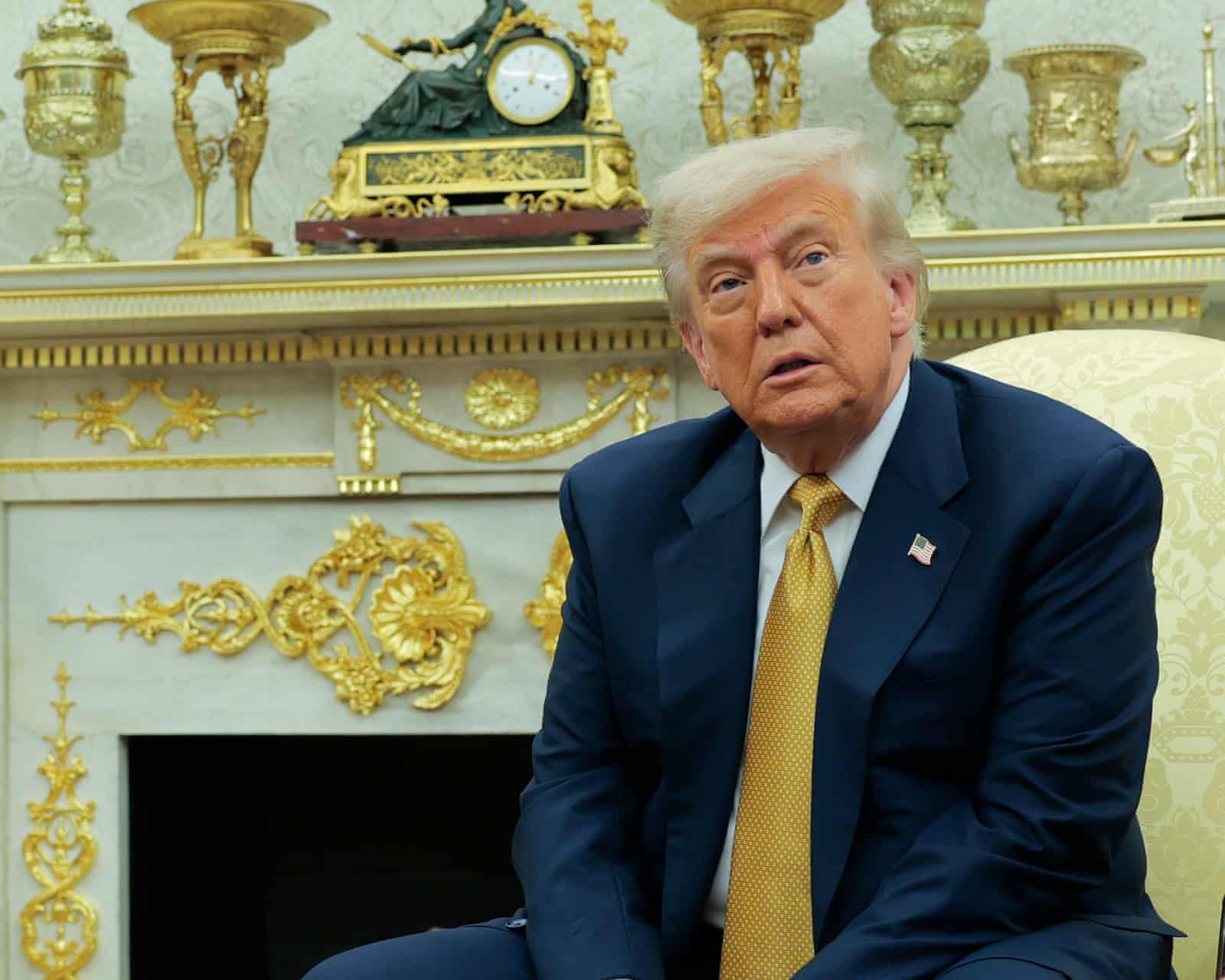
Trump Under Fire from All Sides Amid ‘Epstein Hoax’ Controversy
President Donald Trump is facing mounting criticism—not just from political opponents but from within his own support base—following comments dismissing concerns over unreleased federal files on Jeffrey Epstein as a “hoax.” The controversy was reignited after billionaire entrepreneur Elon Musk openly mocked Trump’s position on the issue.
Musk, now widely regarded as a key conservative influencer on social platform X, challenged Trump by urging for transparency, writing: “He should just release the files and point out which part is the hoax.” This public call put the president on the defensive as members of the so-called ‘MAGA’ base pressed for greater clarity on Epstein’s ties and the details obscured by the Justice Department’s reluctance to disclose documents.
Trump lashed back on his Truth Social account, deriding skeptics—including portions of his own MAGA support—as “stupid” and “foolish,” and accusing them of playing into the hands of political adversaries. He insisted there was no basis for renewed questions, characterizing the discussion as a distraction engineered by “radical left” foes.
This episode further exposes fractures inside the GOP ahead of the 2026 midterm cycle, with rising calls from within the Republican Party to address issues transparently and to avoid fueling conspiracy theories that risk distracting from policy priorities.
Policy Moves Fuel Economic Uncertainty
Federal Reserve Independence at Risk?
Economic stability remains tenuous, with top Republicans and Wall Street expressing concern after reports surfaced that Trump was preparing to oust Federal Reserve Chair Jerome Powell. While the president publicly downplayed those reports, claiming it was “highly unlikely” he would dismiss Powell, insiders report that draft letters of termination have circulated among Trump’s political allies.
This news rattled financial markets and renewed debate over the crucial independence of the Fed. Traditionally, the Federal Reserve has operated free of executive interference, but Trump’s efforts to pressure the central bank to lower interest rates and stimulate short-term growth—especially in a pre-election context—have drawn sharp rebuke from economists and investors.
The uncertainty comes at a time when US inflation has moderated from its pandemic-era highs but remains elevated compared to historic averages, according to the Bureau of Labor Statistics. Strong jobs reports have buoyed the economy, but experts warn that politicization of monetary policy could threaten recovery and investor confidence.
US-Brazil Tariff Tensions Escalate
President Trump’s decision to impose a steep 50% tariff on Brazilian imports unless former President Jair Bolsonaro’s ongoing coup trial is dropped has caused diplomatic turmoil and had unintended blowback. Rather than helping Bolsonaro’s political fortunes—Bolsonaro being banned from running in the next election—the move has reportedly galvanized support for Brazil’s current President Lula da Silva. Lula’s poll numbers have rebounded in response to what is widely viewed in Brazil as American interference.
Bilateral trade relations between the US and Brazil, already strained by previous protectionist policies, are facing further uncertainty. Brazilian industry groups and political leaders argue that the tariffs are hurting both economies, with US agricultural and manufacturing exporters already bracing for retaliatory measures. According to the US Chamber of Commerce, Brazil is the ninth-largest market for US goods, stressing the broader risks trade brinkmanship poses to American jobs and businesses.
Migrant Deportations and Human Rights Under Scrutiny
Human rights organizations are criticizing the Trump administration’s renewed efforts to deport migrants to third countries with questionable records, including a group of five immigrants sent to Eswatini. The African nation, governed by an absolute monarchy, has a troubling human rights reputation.
This escalation in third-country deportations came after the US Supreme Court cleared the practice, with legal experts warning it may set new precedents for global migration policy. Advocacy groups point to a rising pattern of the US using smaller, geographically distant countries as destinations to reduce political and logistical pressures at its borders, but warn that such moves imperil vulnerable populations.
Other Major Developments: Federal Funding, Antisemitism Policies, and GOP Budget Cuts
- Columbia University agreed to adopt a controversial definition of antisemitism to regain access to $400 million in federal grants previously frozen by the Trump administration, amid heated campus debates about freedom of expression and student protection.
- Senate Republicans have advanced legislation that would cut as much as $9 billion from public broadcasting and foreign aid—a move facing fierce resistance from Democrats, who argue the cuts target critical public services and undermine US global leadership.
- A coalition of 20 US states, led mostly by Democratic governors, filed suit to block Trump’s attempt to terminate a multibillion-dollar disaster preparedness grant program, arguing the move threatens infrastructure and climate resilience at a time of rising risks from extreme weather events.
- Warnings from European leaders and a Hungarian opposition parliamentarian underscored international concerns about American democratic stability, urging swift mobilization to counter the risk of further autocratic backsliding ahead of the 2026 midterms.
Looking Forward
The string of controversies and consequential policy decisions within the Trump administration underscore a volatile period in American politics. Analysts predict that the ongoing tension between demands for accountability (inside and outside the GOP), aggressive trade maneuvers, and disputed immigration tactics will shape both the remainder of Trump’s term and the battle for control in the 2026 midterm elections.
Political strategists note that how the administration handles calls for transparency—especially regarding high-profile investigations such as Epstein’s—may set the tone for Republican unity or division in the months ahead. Meanwhile, America’s trade partners and domestic stakeholders alike are watching closely as the White House navigates the complex intersection of domestic unrest and global economic engagement.


